
Event Security Services: How to Keep Your Guests Safe at Any Venue
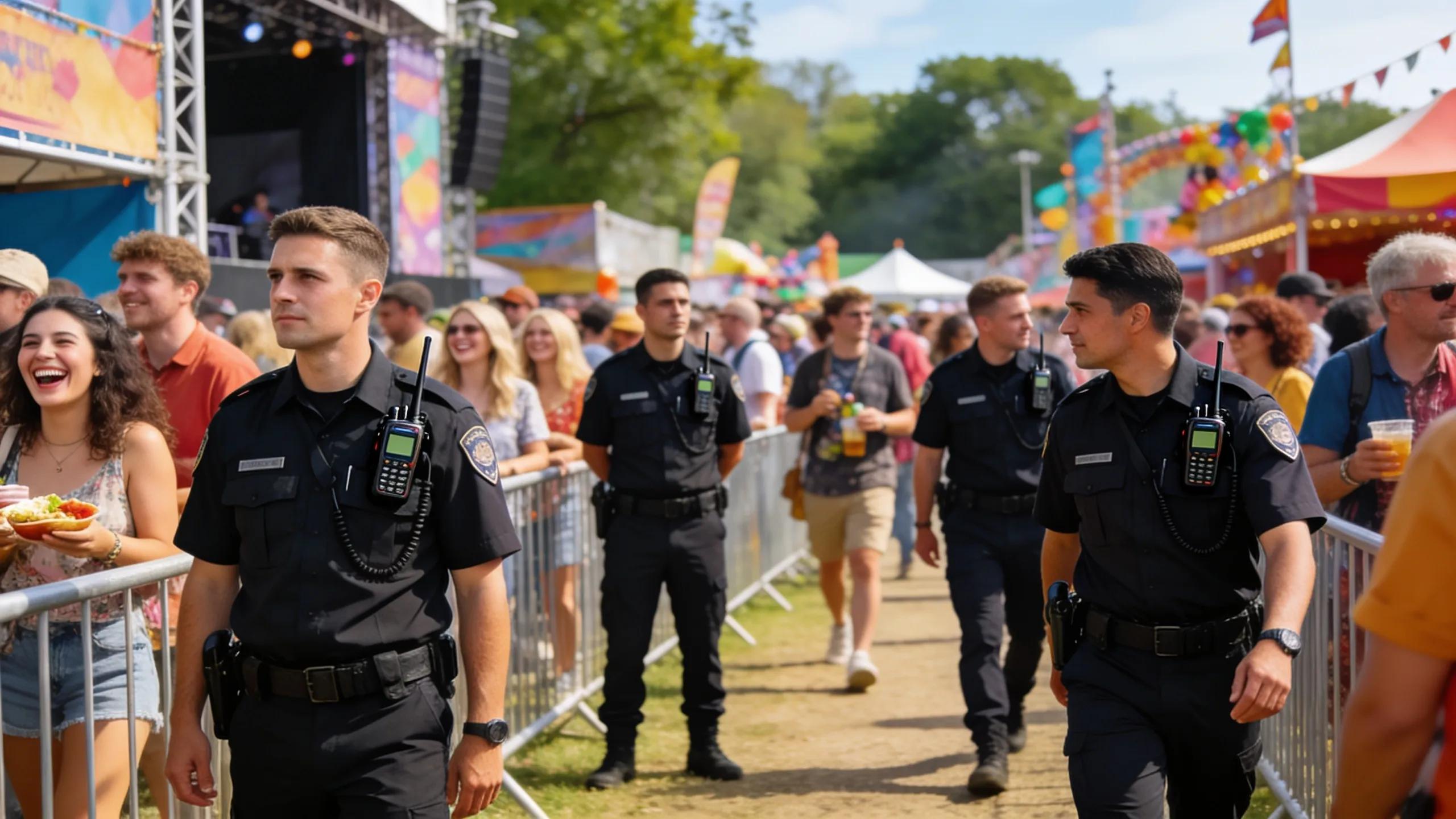
Event Security Services: Comprehensive Strategies to Ensure Guest Safety at Any Venue
By Alex Polazzo, UPM Security
Ensuring the safety of guests at events is paramount for any organizer, whether it’s a wedding, corporate gathering, or festival. Effective event security services encompass various strategies designed to mitigate risks and protect attendees. This article will delve into these comprehensive strategies, focusing on risk assessment, crowd control, emergency response planning, and staff training. Understanding these essential components will empower event planners to create safer environments where guests can enjoy their experience without undue concern for their security. By addressing key areas such as crowd dynamics and emergency preparedness, this guide offers valuable insights into best practices for maintaining guest safety.
Risk Assessment
Risk assessment is the cornerstone of effective event security services, laying the groundwork for all safety measures. It involves identifying potential threats and vulnerabilities within a given venue and evaluating the risks they pose to guests. By conducting thorough assessments, security professionals can implement tailored solutions to address specific challenges. The process includes evaluating historical data on incidents, analyzing the venue layout, and considering external factors such as the presence of high-profile attendees. Continuous monitoring during events further helps in adapting security measures dynamically, ensuring a proactive approach to safety.
Crowd Control
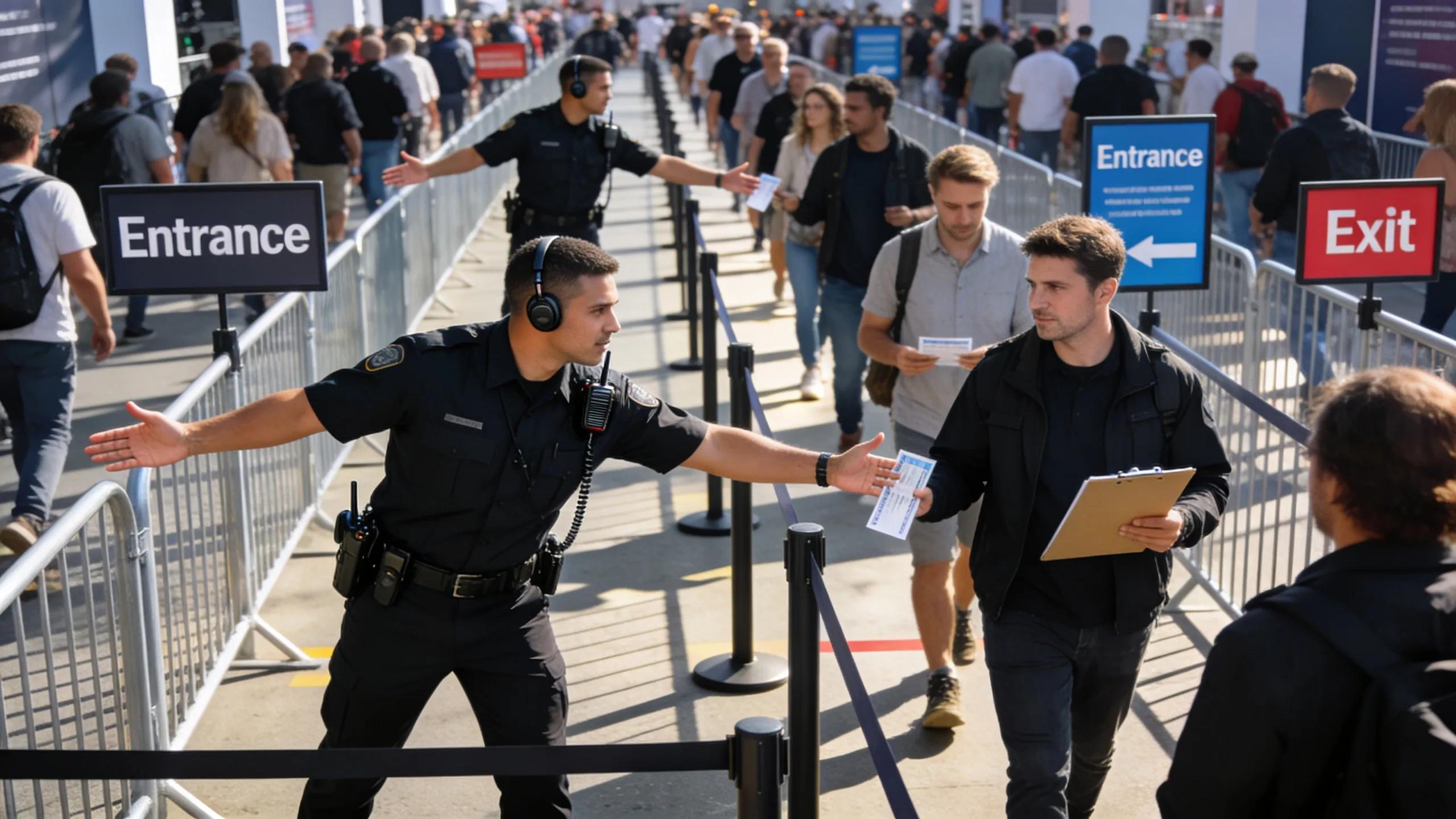
Crowd control is vital to maintaining order and safety at events, with numerous strategies utilized to manage large groups effectively. An effective crowd management approach considers factors such as visitor flow, access control, and crowd psychology. Organizers can employ various tactics to enhance the safety of their guests:
- Proactive crowd management strategies: Implementing techniques such as real-time monitoring allows security teams to anticipate crowd behavior and react accordingly.
- Access control measures: Efficiently managing entry points to prevent overcrowding and ensuring that all attendees have valid access credentials are crucial during high-profile events.
- Understanding crowd psychology: Grasping the motivations and behaviors of attendees can aid in minimizing panic and ensuring smooth operations during emergencies.
How Does Crowd Management Enhance Guest Safety and Venue Protection?
Effective crowd management enhances guest safety through comprehensive planning and execution of measures designed to control movement and behavior. Techniques such as establishing clear pathways, utilizing barriers, and employing trained security personnel contribute significantly to preventing potential hazards. For example, real-time monitoring systems can identify areas of congestion, allowing for proactive interventions. By coordinating responses efficiently during emergencies, security staff can mitigate risks before they escalate, thus safeguarding attendees.
Emergency Response Planning
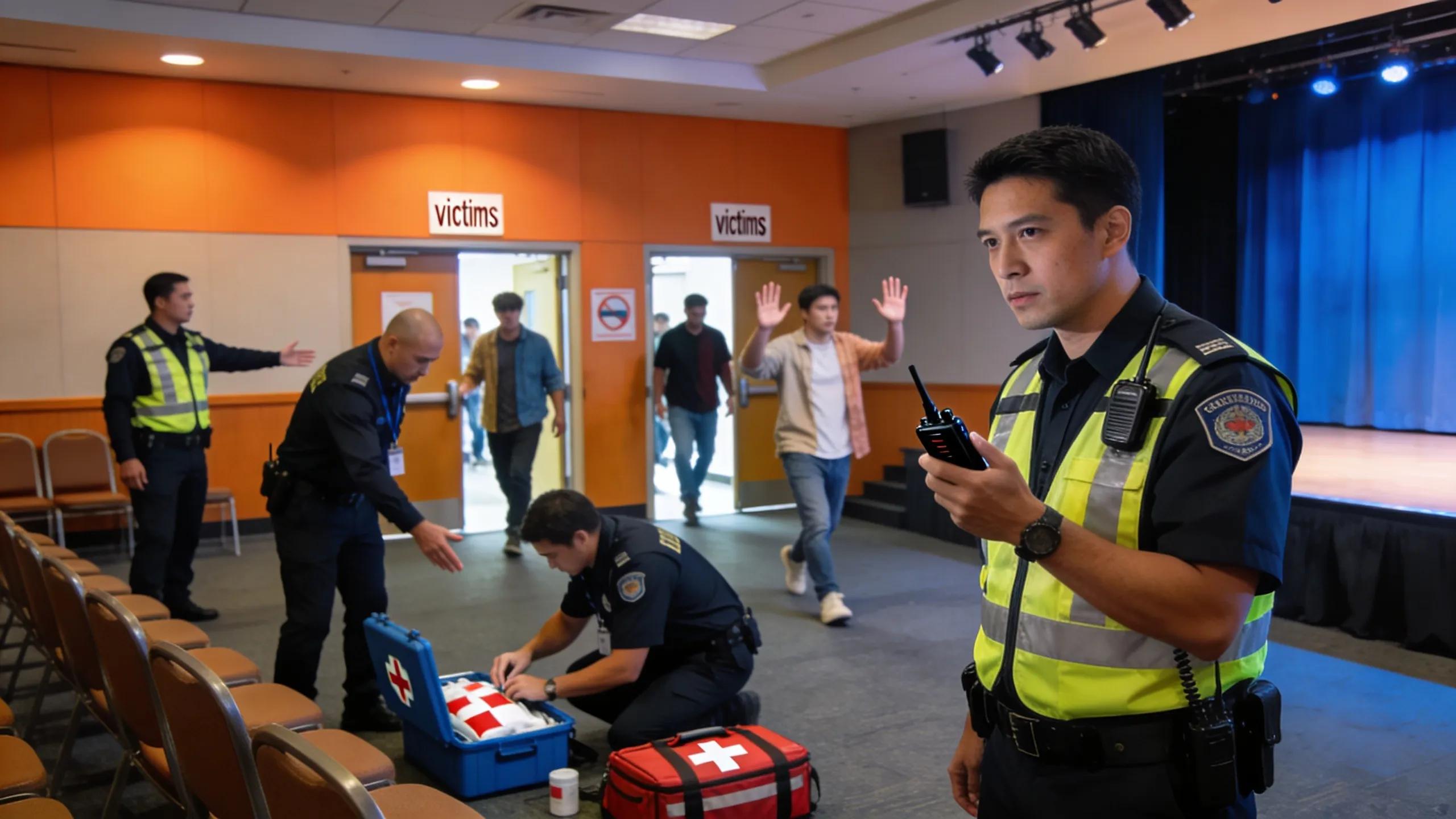
Emergency response planning is another critical component of event safety, ensuring that procedures are in place to handle unforeseen incidents. This planning involves the development of comprehensive emergency action plans tailored to the specific venue and anticipated risks. Key aspects include identifying critical procedures for emergencies, ensuring the proper allocation of necessary resources, and defining staff roles for effective communication during crises. Engaging security personnel in drills and simulations further prepares them to execute these plans effectively.
What Are the Key Components of Emergency Response Planning at Events?
Effective emergency response planning includes several critical components:
- Rapid response protocols: Clear instructions on how security personnel should respond to various emergencies help facilitate quick action.
- Resource allocation: Identifying necessary tools, including first aid kits and communication devices, is essential for effective emergency management.
- Communication protocols: Establishing streamlined communication channels ensures that information flows quickly among staff, allowing for coordinated responses.
Properly executed emergency response planning not only protects guests but also reassures them that their safety is a top priority, enhancing the overall event experience.
Staff Training
Staff training is paramount to the success of any event security strategy. Specialized training prepares personnel to handle a wide range of scenarios, ensuring they are equipped to manage various situations that may arise during events. Scenario-based training methods are particularly effective, allowing staff to engage in role-playing exercises that simulate real-life events. Continuous training programs also help in keeping personnel updated on the latest safety protocols and technologies.
What Best Practices Optimize Access Control and Prevent Overcrowding?
To optimize access control and prevent overcrowding, event organizers can adopt several best practices:
- Utilize advanced ticketing systems: Implementing ticketing solutions that include scanning technology improves verification processes and streamlines entry.
- Strategic venue layout: Designing entry and exit points carefully to facilitate an organized flow helps minimize bottlenecks.
- Regular staff training: Ensuring that security personnel are well-trained in access control techniques enhances their ability to manage crowds effectively.
These measures, when combined with ongoing training and adherence to established protocols, significantly reduce the likelihood of overcrowding and potential security breaches.
What Protocols Ensure Swift Evacuation and Minimize Guest Risk?
Protocols for swift evacuation include clear communication strategies and well-defined escape routes. Displaying evacuation maps prominently throughout the venue informs guests of exit pathways. Additionally, conducting regular evacuation drills allows staff to familiarize themselves with procedures, ensuring a coordinated response during actual emergencies. Furthermore, employing advanced communication systems enhances information dissemination during crises, allowing for real-time updates and improved guest safety. Regular assessments of these protocols ensure they remain effective and up-to-date.
How Are VIP and High-Net-Worth Individuals Protected within Event Security Services?
Specialized security measures for VIPs and high-net-worth individuals involve enhanced protocols that go beyond standard event security. Employing a dedicated security team trained in protective strategies, including close protection and risk assessment, ensures tailored security solutions. These measures may include establishing secure transportation routes, private entrances, and advanced surveillance systems to monitor potential threats continuously. Additionally, maintaining confidentiality about logistics and personal details is critical in safeguarding the safety of high-profile guests.
What Specialized Security Measures Are Implemented for Private Event Security?
Private event security often necessitates a bespoke approach, considering the unique nature of each gathering. Specialized measures can include discreet surveillance, tailored access control, and personalized security briefings. The objective is to create a safe atmosphere without compromising the privacy or enjoyment of the guests. Security teams must be adept at identifying and mitigating potential risks specific to smaller, often more intimate events. Customized protocols ensure that every detail is accounted for, providing hosts and attendees peace of mind.
What Technologies and Training Enhance the Effectiveness of Event Security Personnel?
The integration of modern technologies enhances the capabilities of event security personnel significantly. AI-enabled surveillance systems, for example, provide real-time analytics and threat detection, streamlining situational awareness. This technology, combined with the ongoing training and certification of security teams, ensures they are well-prepared to respond to emerging challenges. Implementing a comprehensive training regimen that includes the use of new technologies is essential for maximizing their effectiveness during events.
How Are AI-Enabled Surveillance Systems Integrated into Event Security?
AI-enabled surveillance systems are increasingly becoming integral to event security, offering capabilities such as facial recognition and behavior analysis. By deploying these advanced technologies, security professionals can monitor crowds effectively and identify potential threats before they escalate. Moreover, AI systems can assist in analyzing vast amounts of data collected during events, providing actionable insights that enhance security planning for future gatherings. This innovative approach significantly bolsters the overall safety posture of events.
What Certification and Credentialing Standards Ensure Security Personnel Expertise?
Ensuring the expertise of security personnel involves adherence to recognized certification and credentialing standards. These frameworks typically encompass rigorous training programs that cover various critical aspects, including emergency response, crowd control, and the use of modern security technology. Ensuring compliance with industry standards not only instills confidence in the security team’s capabilities but also fosters trust among event organizers and attendees alike. Regular audits and updates to training processes keep personnel current with evolving security challenges.
Entity | Attribute | Value
Different emergency response strategies deliver distinct benefits through specific mechanisms.
This comparison demonstrates how thoughtfully designed emergency response strategies contribute to the overall safety of events. Implementing these methods ensures that event organizers are well-prepared to handle any situation that may arise.