
Residential Security Systems: A Homeowner’s Guide to Protecting Your Property
Residential Security Systems: A Homeowner’s Guide to Protecting Your Property
By Alex Polazzo, UPM Security
In an increasingly uncertain world, the importance of safeguarding one’s home cannot be overstated. Residential security systems are designed to mitigate risks and provide peace of mind for homeowners. This comprehensive guide will educate you about the various types of security systems available, their features, and how they can help protect your property. With the rise of smart home technology, understanding these systems becomes essential for any homeowner looking to enhance their security posture. From understanding installation processes to navigating the benefits of advanced functionalities, this article will cover everything you need to know about residential security systems.
What Are Residential Security Systems and How Do They Protect Your Home?
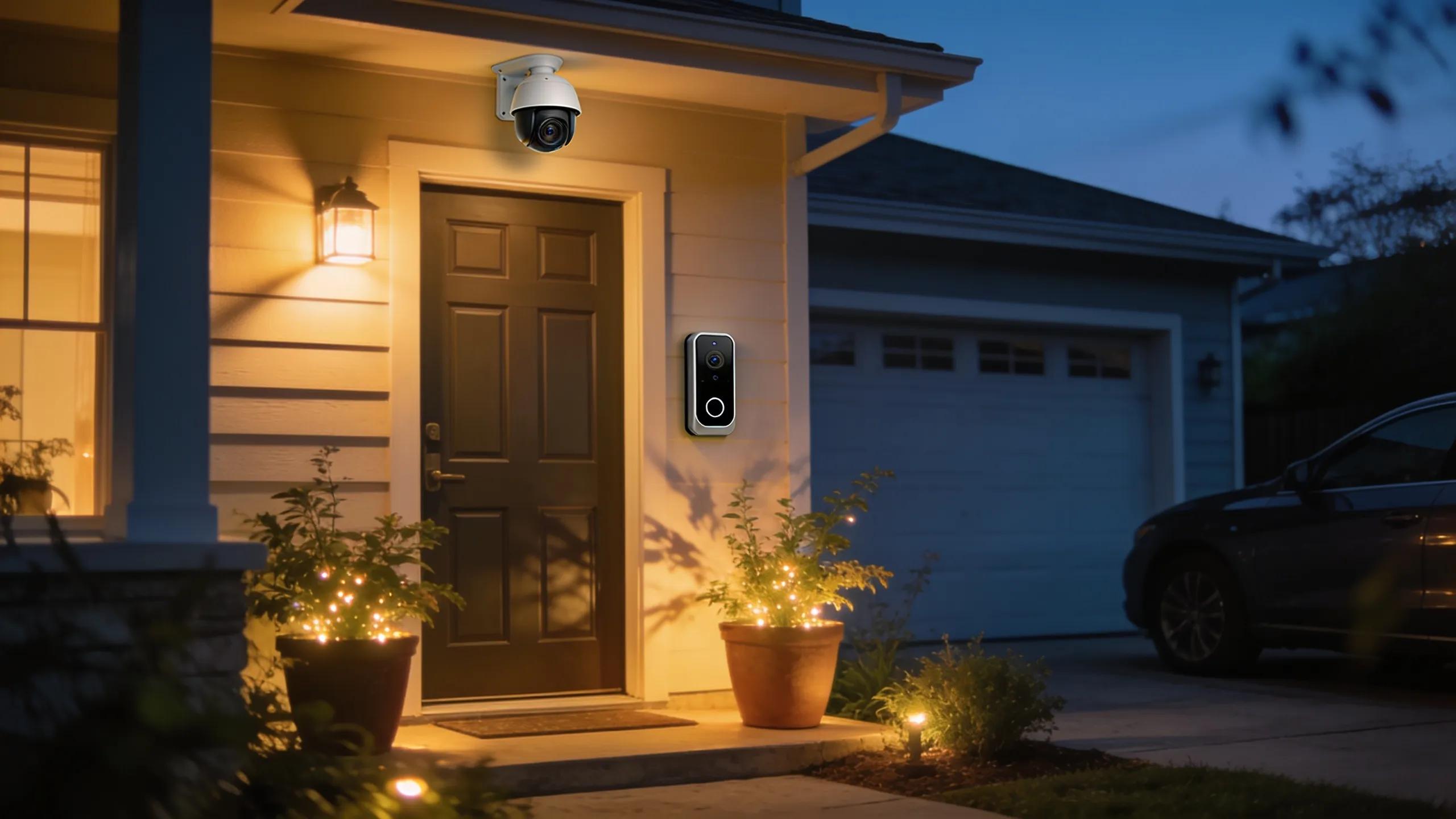
Residential security systems serve as a critical line of defense for homeowners against potential threats. They combine technology and professional monitoring to provide comprehensive protection. These systems often include devices such as alarm systems, surveillance cameras, and access controls, which work together to deter intruders and alert homeowners to emergencies. By monitoring the home 24/7, these systems not only provide immediate alerts during a breach but also enable homeowners to feel secure when they are away. The integration of smart home features can further enhance this sense of security, making traditional security measures more effective.
Key Features and Functionalities
Modern residential security systems offer various features that cater to diverse needs. Here are several essential functionalities:
- 24/7 Monitoring: Continuous surveillance ensures that any unusual activities are promptly detected and reported.
- Emergency Response Services: Quick alerts to local authorities can mitigate damage during a burglary or fire.
- Access Control Systems: This feature allows homeowners to control who can enter their property, enhancing physical security.
These functionalities represent just a fraction of what contemporary security solutions can offer, giving homeowners multiple layers of protection tailored to their unique circumstances.
Common Types of Residential Security Systems
When it comes to addressing security needs, homeowners have multiple options. Different types of residential security systems include:
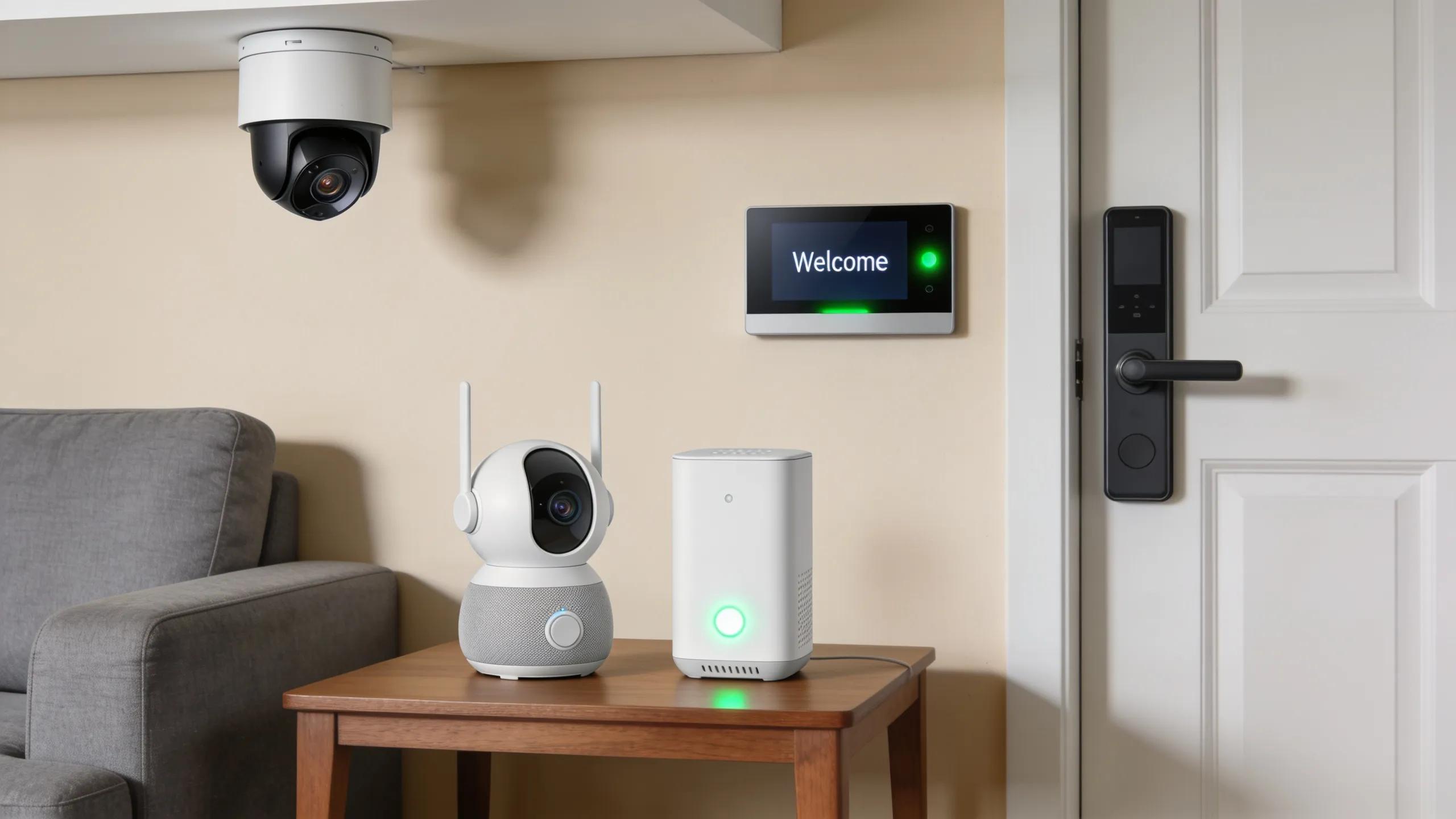
- Wireless Security Systems: These systems operate without the need for wired connections, making installation simpler and more versatile.
- Smart Home Technology Integration: Devices such as smart cameras and notification-enabled alarms that can be controlled via smartphone apps enhance user convenience and system effectiveness.
- Guard Patrol Services: Some systems offer patrolling services, which provide an added layer of physical security.
Understanding the available types of systems is vital for homeowners seeking the best fit for their property safety.
Benefits of Residential Security Systems
Investing in a residential security system can provide numerous advantages that extend beyond mere theft deterrence. Here are some significant benefits:
- Crime Deterrence: Visible security devices can discourage potential intruders from targeting a property.
- Rapid Incident Response: Quick alerts to authorities can significantly reduce the impact of an incident.
- Peace of Mind: Homeowners can enjoy increased peace of mind, knowing that their home is monitored and protected.
These benefits illustrate how security systems can enhance overall safety and provide assurance to homeowners regarding their property’s security.
This table summarizes how specific features of residential security systems contribute to greater homeowner safety.
Choosing the Right Security Provider
Selecting a security provider involves careful consideration of several factors. Here are some critical points to evaluate:
- Experience and Reputation: Opt for providers with a longstanding history of reliability.
- Service Offerings: Ensure the provider offers the specific services you need, from monitoring to installation.
- Training and Certification: Providers that maintain high standards in staff training and certification often deliver superior service.
Evaluating these criteria can prevent regrettable choices that may leave your home vulnerable.
UPM Security specializes in providing comprehensive residential security systems focused on protecting homeowners and high-value clients. Their primary service includes home security installation featuring smart home security integration, remote monitoring, and professional consultations. UPM Security’s unique value propositions include tailored security solutions emphasizing smart automation, rapid professional installation, and customer consultation to fit each property’s unique security needs.
Investing in a residential security system is essential for protecting your home and ensuring peace of mind. As you consider your options, keep in mind the importance of understanding the features, types, and benefits of these systems, as well as the considerations for choosing a reliable provider. With the right security measures in place, you can enhance your home’s safety and protect your valuable assets.