
Professional Security Services: What to Look for in a Security Guard Company

Professional Security Services: What to Look for in a Security Guard Company
By Alex Polazzo, UPM Security
Choosing a security guard company is a significant decision, especially for businesses needing a reliable safeguard for their assets and personnel. Understanding the core attributes and services of a professional security firm can make the selection process seamless. This guide will delve into essential qualities that one should look for, the qualifications and training standards of security personnel, as well as how to align security solutions with unique business needs.
Additionally, we will explore the importance of certifications, the impact of security technology, and provide insights that ensure effective collaboration with security service providers. By outlining these key elements, businesses can better navigate the complexities of engaging security services that cater specifically to their requirements.
Key Qualities of a Security Guard Company
A reputable security guard company should be distinguished by several vital qualities. These characteristics ensure not only compliance with industry standards but also effectiveness in operational roles. A few of these key qualities include:
- Licensing and Compliance: A credible company must possess all necessary licenses and adhere to state regulations.
- Experience in the Industry: A track record showcases the company’s capability to handle a variety of security challenges effectively.
- Quality of Personnel Training: High standards in training can significantly impact the quality of security services provided.
Moreover, UPM Security emphasizes these qualities by employing trained professionals who adhere to licensing standards and have extensive experience in diverse security environments. Their commitment to excellence ensures that clients receive top-notch service.
Comparisons of Key Security Features
Different security companies offer various types of services that align with specific needs of clients. Below is an overview of these services and their distinct features:
This table illustrates the diverse array of services available, highlighting the importance of choosing a firm that matches your specific security requirements.
What Are the Essential Qualifications of a Professional Security Guard Company?
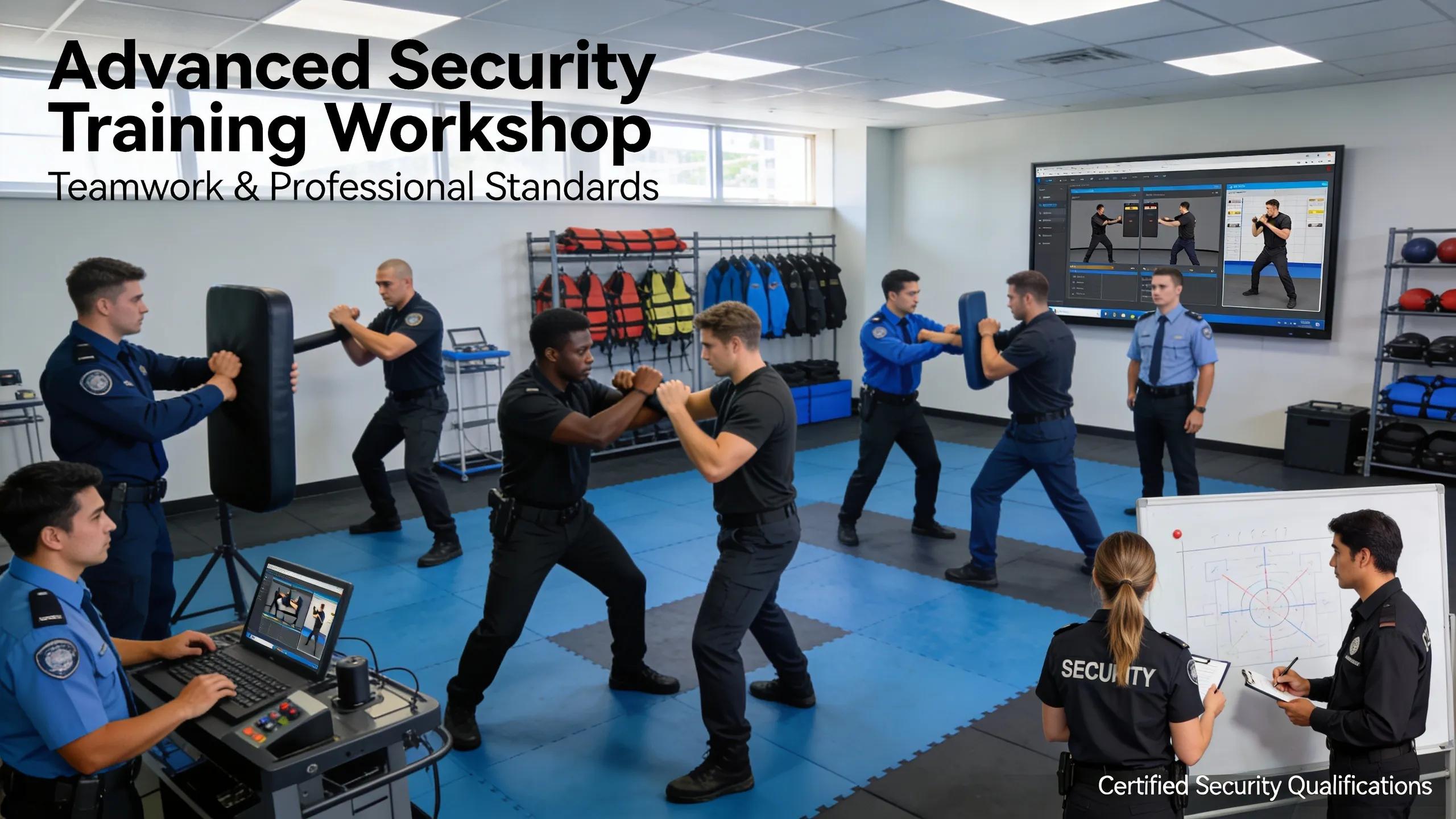
The qualifications of a security guard company are fundamental in determining their capability to deliver effective services. Essential qualifications include:
- Certifications and Licenses: Relevant certifications signal compliance with industry best practices and the enactment of regulatory measures.
- Experience in Related Fields: Knowledge gained from previous assignments enhances the performance of security personnel.
- Training Standards: Regular assessments and ongoing training initiatives ensure staff are always equipped to handle the latest security challenges.
With these qualifications, businesses can rest assured knowing that their security is underpinned by qualified professionals.
Which Licensing and Training Standards Should Security Guards Meet?
Licensing is integral in maintaining industry standards for security personnel. Security guards are required to meet various state-specific licensing requirements which typically involve background checks and proper training. Key aspects of these standards include:
- State Licensing Requirements: It is crucial that security personnel meet the specific licensing laws set forth by the state they operate within.
- Mandatory Training Protocols: Essential training encompasses emergency response, conflict resolution, and physical defense tactics.
- Importance of Ongoing Training: Regular updates and refresher courses keep security guards informed about the latest practices and regulations.
The adherence to these licensing and training standards not only enhances the reliability of security personnel but also augments the overall safety of environments they protect.
How Do Security Guard Companies Demonstrate Expertise Through Certifications?
Certifications play a significant role in establishing the credibility of security guard companies. Relevant certifications can include:
- Nationally Recognized Certifications: These are often essential for gaining a competitive edge and demonstrating a high level of proficiency.
- Quality Assurance Certifications: They indicate that a company adheres to quality standards in service delivery.
- Life-Safety Certifications: These specialized credentials ensure personnel are trained in emergency response scenarios, providing further assurance of their capability.
Investing in companies with robust certification portfolios strengthens confidence in their services.
How Do Corporate Security Solutions Address Diverse Business Needs?
Corporate security solutions must be adaptable to meet the diverse needs of businesses. Key focal points include:
- Service Customization: Tailoring security solutions ensures alignment with specific operational requirements.
- Scalability of Services: As businesses grow, so do their security needs. Effective providers can scale services accordingly.
- Compliance with Industry Standards: Adhering to sector regulations assures businesses of proper risk management.
The ability to customize security solutions plays a key role in addressing the unique challenges businesses face and securing their assets efficiently.
What Customized Security Guard Services Are Offered for Corporate Environments?
Customized security services for corporate environments address specific needs through a careful design of solutions. This can include:
- Crowd Management Protocols: Ensuring safety during large corporate gatherings or events.
- Customizable Security Officers: Deploying officers based on the specific security necessities of the organization.
- Integration with Existing Security Systems: Ensuring new security measures work seamlessly with existing infrastructure.
These tailored services enhance security assurance and operational efficiency.
How Is Risk Assessment Integrated Into Corporate Security Planning?
Risk assessment is a critical component of effective corporate security planning. It involves:
- Assessment Methodologies: Employing systematic approaches to identify potential threats before they materialize.
- Continuous Monitoring: Keeping a watchful eye on emerging threats through constant surveillance and analysis.
- Site Analysis: Reviewing specific locations to identify vulnerabilities and threats unique to those environments.
Understanding these elements allows businesses to develop comprehensive security strategies that mitigate risks effectively.
What Should You Expect from Event Security Services Provided by Professional Companies?
When availing of event security services, clients can expect:
- Crowd Management: Skilled personnel ensuring safe participant flow during gatherings.
- Emergency Protocols: Well-defined actions in place to address various emergency situations.
- Access Control Measures: Systems securing entry points and managing guest access effectively.
Hiring a professional company guarantees that these expectations are met with expertise.
Which Protocols Ensure Effective Security at Private and Public Events?
Ensuring effective security at events necessitates specific protocols, including:
- Emergency Response Planning: Establishing predefined measures to handle emergencies swiftly and effectively.
- Real-Time Monitoring: Employing technology to monitor event activities and respond to incidents promptly.
- Access Control Policies: Implementing strict rules governing who gains entry to event spaces.
These protocols reinforce safety measures designed to protect attendees and assets during events.
How Do Security Guard Companies Collaborate with Event Organizers for Customized Solutions?
Collaboration between security guard companies and event organizers maximizes security effectiveness. Key collaboration aspects include:
- Risk Assessment Collaboration: Jointly evaluating potential vulnerabilities helps in crafting tailored security solutions.
- Tailored Security Strategies: Security teams work with organizers to develop protocols specific to the event’s needs.
- Use of Technology: Incorporating advancements in security tech ensures a robust and responsive security framework.
By uniting efforts, both parties enhance the security landscape of any given event.
How Do Professional Bodyguard and Residential Security Guard Services Protect High-Profile Clients?
High-profile clients often require specialized protection strategies, which may incorporate:
- On-site Security Measures: Utilizing trained personnel to maintain a secure environment surrounding the client.
- Emergency Response Capabilities: Being prepared to address unforeseen threats with swift and effective measures.
- Residential Protection Strategies: Implementing custom plans to safeguard the residences of high-net-worth individuals.
These measures are critical in ensuring the safety and privacy of clients with specific vulnerabilities.
What Specialized Training Supports Personal Protection and Bodyguard Services?
Specialized training underscores the effectiveness of personal protection services. Important training elements include:
- Importance of Training Programs: Ensuring personnel are well-prepared to face diverse scenarios.
- Certification Relevance: Recognizing that well-certified guards exhibit a greater range of competencies.
- Practical Skill Development: Emphasizing real-world scenarios to enhance response capabilities.
The experiential nature of this training builds confidence and competence in personal protection roles.
How Are Residential Security Solutions Tailored for High-Net-Worth Families?
Security solutions for high-net-worth families must be bespoke, encapsulating:
- Customized Security Plans: Developing detailed protection strategies specific to the family’s lifestyle.
- Technological Integration: Utilizing state-of-the-art technology to monitor and control access.
- Emergency Protocols: Creating specific actions for different emergency scenarios.
These tailored solutions ensure that security measures align with the unique lifestyle demands of affluent families.
What Role Does Security Technology and Innovation Play in Enhancing Protective Services?
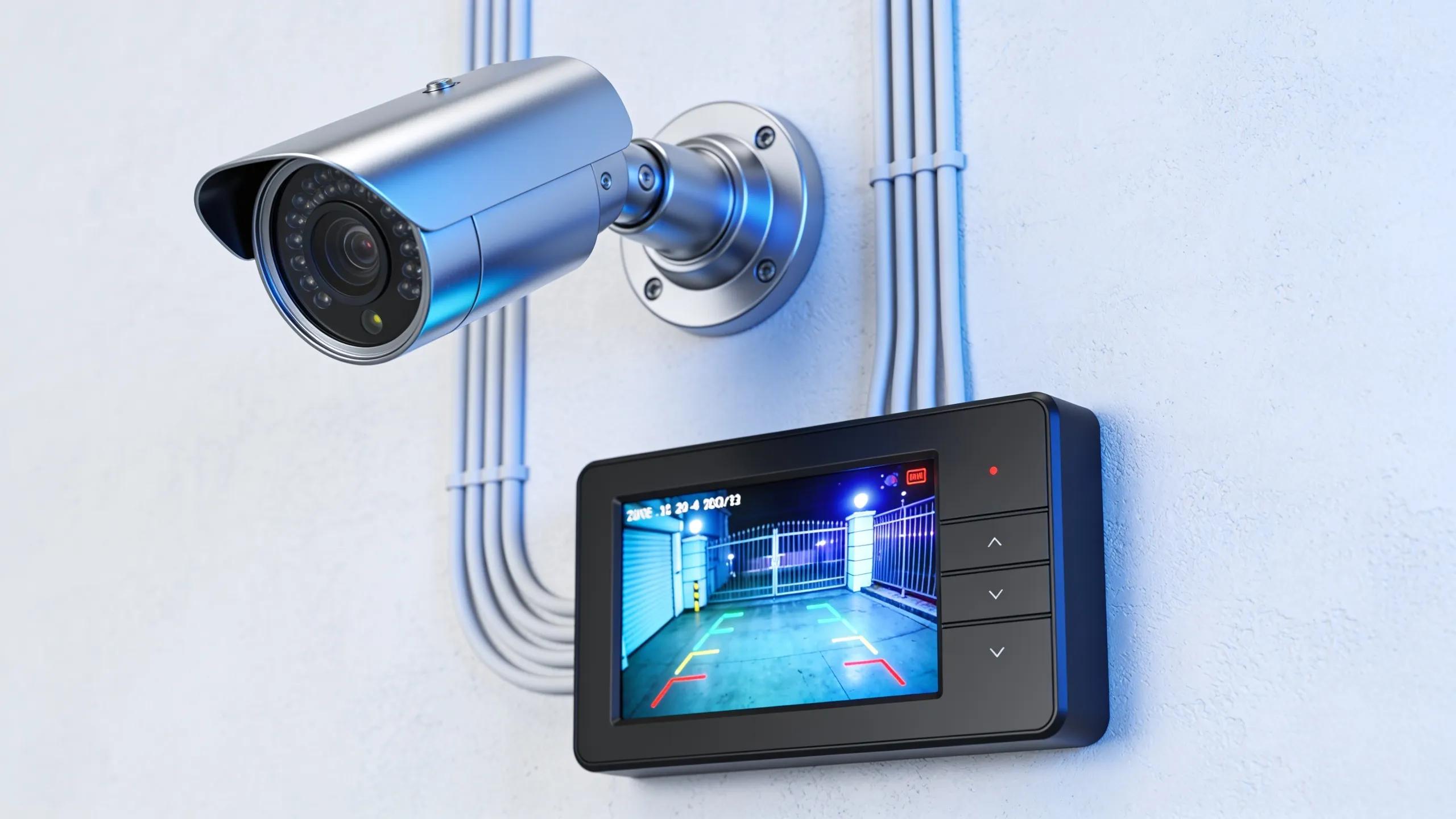
Security technology and innovation contribute significantly to modern security practices by:
- Types of Security Technologies: Incorporating tools such as surveillance cameras and smart entry systems.
- Impact on Service Effectiveness: Technology enhances the speed and accuracy of security measures.
- Trends in Security Innovation: Continuous evolution embraces new methods for improved safety outcomes.
Integrating these technologies into operations magnifies security and provides advanced protection.
Which Technologies Are Commonly Employed in Modern Security Guard Services?
Modern security guard services employ a variety of technologies to enhance operations, including:
- Surveillance Cameras: Essential for monitoring premises and evidential purposes.
- Access Control Systems: Mechanisms allowing secure entry to controlled areas.
- Drones: Emerging tools for aerial surveillance ensuring larger areas are monitored effectively.
These technologies form the backbone of contemporary security initiatives, making operations more efficient and comprehensive.
How Does Integration of Cyber-Physical Security Improve Risk Mitigation?
The integration of cyber-physical security measures is essential to advanced risk mitigation strategies. Essential benefits include:
- Real-Time Monitoring: Continuous reviews of both physical and cyber environments.
- Enhanced Data Analysis: Combining data from various sources for better decision-making.
- Emergency Response Coordination: Streamlined responses to hybrid threats across physical and digital domains.
This dual approach demonstrates the necessity of integrating traditional security with advanced cyber practices in a holistic manner.
How Can Businesses Effectively Choose and Consult a Security Guard Company?
Businesses should undertake careful consideration when selecting an ideal security guard company. Key steps involve:
- Evaluation Criteria: Assessing credentials, experience, and history with similar clients.
- Important Questions to Ask: Inquiring about training methodologies and emergency preparedness.
- Best Practices for Collaboration: Establishing strong communication pathways between the business and security firm.
Following these steps facilitates a strong partnership built upon trust and mutual understanding.
What Are the Key Questions to Ask During Security Service Consultations?
During consultations, potential clients should ensure they ask several important questions:
- Inquire About Training and Protocols: Understanding the training standards employees must meet.
- Ask About Experience and References: Evaluating past performance and success stories to gauge reliability.
- Understand Pricing and Liability: Gaining clarity on costs and any liability issues ensures transparency.
These inquiries prepare businesses to choose an informed partner who is aligned with their security goals.
How to Assess Cost Transparency and Service Value Propositions?
Assessing cost transparency and service value begins by considering:
- Detailed Proposals: Requesting thorough breakdowns of services to understand pricing mechanisms.
- No Hidden Costs: Ensuring clarity in pricing structures protects against unexpected expenses.
- Cost-Benefit Analysis: Weighing the potential value against costs to determine overall effectiveness.
This thorough review guarantees that firms acquire security services that align with their budget and expectations.