
The Role of Armed Security Guards in High-Risk Environments
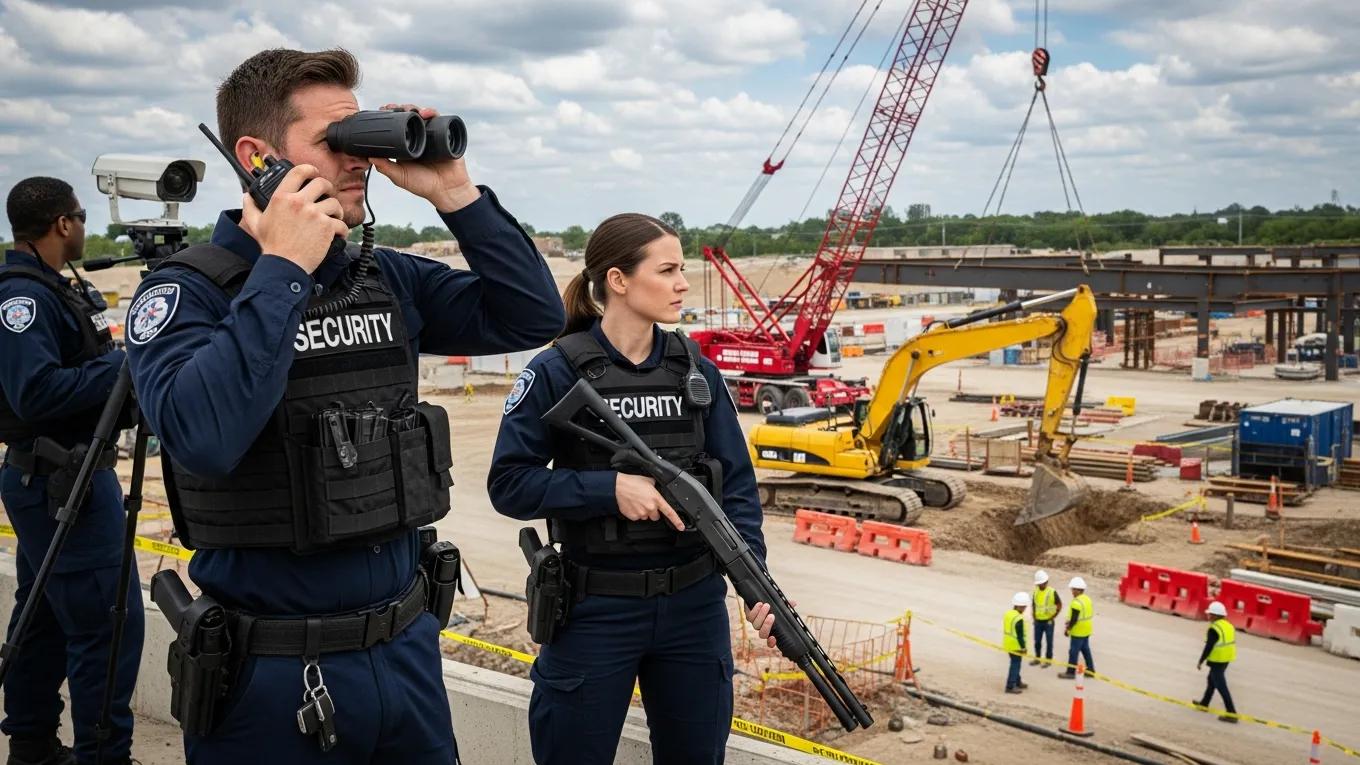
The Role of Armed Security Guards in High-Risk Environments: Comprehensive Armed Security Services and Solutions
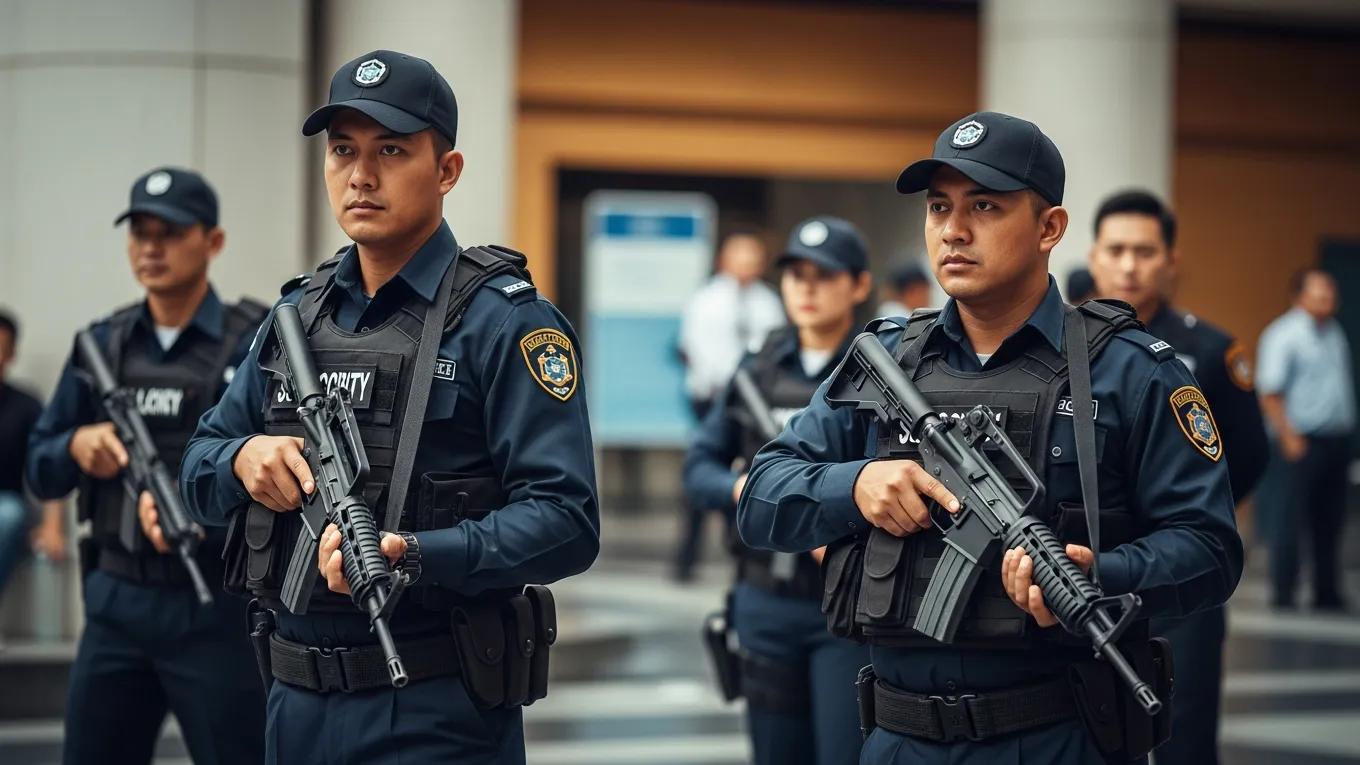
In high-risk environments, the presence of armed security guards plays a crucial role in ensuring safety and mitigating threats. These professionals are trained to handle various security challenges, providing peace of mind to businesses and individuals alike. This article delves into the multifaceted role of armed security guards, exploring their types, effectiveness, and the specialized training they undergo to operate in high-risk scenarios. Readers will gain insights into how tailored security solutions can address specific threats, the qualifications required for armed security personnel in Florida, and the impact of state regulations on their operations. By understanding these elements, stakeholders can make informed decisions about security needs in high-risk environments.
Types of Armed Security Services
Armed security services encompass a variety of roles designed to protect people and property in high-risk situations. These services can be categorized into several types, each tailored to meet specific security needs.
- Static Armed Guards: These guards are stationed at fixed locations, providing a visible deterrent to potential threats. Their presence alone can significantly reduce the likelihood of criminal activity.
- Mobile Armed Patrols: These units patrol larger areas, offering dynamic security coverage. They can respond quickly to incidents and provide a rapid response to emergencies.
- Plainclothes Armed Security: This type of security personnel operates without a uniform, allowing for discreet protection. This approach is particularly effective in environments where a visible security presence may not be appropriate.
Understanding the different types of armed security services helps organizations choose the right solution for their specific needs.
Effectiveness
The effectiveness of armed security personnel is evident in their ability to deter crime and respond to emergencies. Trained to handle high-stress situations, armed guards can effectively manage threats before they escalate. Their presence not only creates a safer environment but also instills confidence among employees and customers.
Research indicates that the mere presence of armed security can reduce criminal activity significantly. This deterrent effect is crucial in high-risk environments where the potential for violence or theft is heightened. By employing trained professionals, organizations can enhance their overall security posture.
This observation is further supported by research highlighting the significant deterrent effect of private security on crime.
Private Security’s Deterrent Effect on Crime
Supplementing local police forces is a burgeoning multibillion-dollar private security industry. Millions of formal surveillance agents in public settings are tasked to act as preventative guardians, as their high visibility presence is hypothesized to create a deterrent threat to potential offenders.
‘Lowering the threshold of effective deterrence’—Testing the effect of private security agents in public spaces on crime: A randomized controlled trial in a mass transit …, B Ariel, 2017
Tailored Solutions for High-Risk Scenarios
High-risk scenarios require customized security solutions that address specific vulnerabilities. Armed security services can be tailored to meet the unique needs of various sectors, including financial institutions, healthcare facilities, and large events.
- Financial Institutions: These establishments often face threats such as robbery or fraud. Armed security personnel in this sector are trained to handle high-stakes situations and protect assets effectively.
- Healthcare Facilities: Security in healthcare settings must be familiar with emergency protocols and patient interactions. Armed guards can provide safety while ensuring a compassionate approach to care.
- Event Security: Large gatherings present unique challenges, including crowd control and emergency response. Armed security can manage these situations effectively, ensuring the safety of attendees.
By understanding the specific needs of each sector, armed security services can be tailored to provide optimal protection.
Qualifications and Training Requirements in Florida
In Florida, armed security guards must meet specific qualifications and training requirements to ensure they are prepared for the challenges they may face.
- Firearms Licenses: All armed security personnel must hold valid firearms licenses, demonstrating their ability to handle weapons safely and responsibly.
- Threat Assessment Training: Extensive training in threat assessment is crucial for identifying potential risks and responding appropriately.
- Ongoing Tactical Training: Continuous training is necessary to keep skills sharp and ensure guards are prepared for evolving threats.
These qualifications are essential for maintaining high standards in armed security services, ensuring that personnel are equipped to handle various situations effectively.
Specialized Training for Security Challenges
Specialized training is vital for armed security guards to address the unique challenges they may encounter. This training includes:
- Continuous Threat Training: Guards receive ongoing education on emerging threats and how to respond effectively.
- Life-Safety Certifications: These certifications ensure that security personnel are prepared to handle medical emergencies and other life-threatening situations.
- Emergency Response Procedures: Training in emergency response is crucial for ensuring that guards can act swiftly and effectively during crises.
This specialized training enhances the capabilities of armed security personnel, allowing them to provide a higher level of protection in high-risk environments.
Risk Assessment Procedures
Conducting thorough risk assessments is a fundamental aspect of effective security management. These assessments help identify vulnerabilities and inform the development of customized security plans.
- Identifying Vulnerabilities: A comprehensive assessment evaluates potential risks, including physical security weaknesses and operational challenges.
- Regular Updates: Security protocols must be regularly updated based on new threats or changes in the environment.
- Customized Security Plans: Based on the assessment, tailored security plans can be developed to address specific vulnerabilities and enhance overall safety.
Effective risk assessment procedures are essential for ensuring that armed security services are responsive to the unique challenges of high-risk environments.
Types of Threats Necessitating Armed Security Services
Various threats necessitate the deployment of armed security services. Understanding these threats is crucial for organizations seeking to enhance their security measures.
- Property Crimes: Theft and vandalism are common threats that can significantly impact businesses. Armed security can deter these crimes effectively.
- Violent Incidents: Situations such as active shooter scenarios require immediate and decisive action. Armed guards are trained to respond to such threats swiftly.
- Natural Disasters: Events like hurricanes or floods can lead to increased criminal activity. Armed security can help maintain order and protect property during these times.
By recognizing the types of threats that may arise, organizations can better prepare their security strategies.
Mitigation Strategies Enhance Protection in High-Risk Environments
Implementing effective mitigation strategies is essential for enhancing protection in high-risk environments. These strategies include:
- Proactive Threat Assessment: Regularly assessing potential threats allows organizations to stay ahead of risks and implement necessary changes.
- Emergency Response Capability: Ensuring that security personnel are trained in emergency response is crucial for effective threat management.
- De-escalation Training: Training guards in de-escalation techniques can reduce the likelihood of confrontations and promote a safer environment.
These strategies work together to create a comprehensive security framework that enhances protection in high-risk settings.
Key Armed Security Services Offered by UPM Security in Florida
UPM Security provides a range of armed security services tailored to meet the needs of various clients in Florida. Their offerings include:
- Static Armed Guards: These guards provide a visible deterrent and are stationed at key locations to enhance security.
- Mobile Armed Patrols: Offering dynamic coverage, these patrols can respond quickly to incidents across larger areas.
- Event Security: UPM Security specializes in managing security for large gatherings, ensuring the safety of all attendees.
By offering a diverse range of services, UPM Security addresses the unique needs of clients in high-risk environments.
How Customized Security Plans Address Client-Specific Risks
Customized security plans are essential for addressing the specific risks faced by clients. UPM Security employs a comprehensive approach that includes:
- Threat Assessments: Conducting thorough assessments to identify vulnerabilities and inform security strategies.
- Tailored Solutions: Developing security plans that are specifically designed to meet the unique needs of each client.
- Technology Integration: Utilizing advanced technology to enhance security measures and improve response times.
This tailored approach ensures that clients receive the most effective security solutions for their specific circumstances.
Rapid Response Capabilities Ensure Effective Threat Management
The ability to respond rapidly to threats is a critical component of effective security management. Armed security personnel are trained to act swiftly in emergencies, ensuring that potential threats are neutralized quickly.
- Immediate Response: Armed guards can provide immediate assistance during crises, minimizing the impact of incidents.
- Coordination with Law Enforcement: Effective communication and coordination with local law enforcement enhance overall response capabilities.
- On-Site Assistance: Security personnel remain on-site until normal operations can resume, providing stability during emergencies.
These rapid response capabilities are essential for maintaining safety in high-risk environments.
How Florida-Specific Regulations Impact Armed Security Operations
Florida’s regulations significantly impact the operations of armed security companies. Understanding these regulations is crucial for compliance and effective security management.
- Licensing Requirements: Armed guards must meet specific licensing requirements, including background checks and training certifications.
- Compliance with State Laws: Adhering to state laws ensures that security operations are conducted legally and ethically.
- Operational Effectiveness: Regulations can influence the deployment and training of security personnel, impacting overall effectiveness.
By understanding Florida-specific regulations, armed security companies can operate more effectively and maintain compliance.
What Are the State Licensing Requirements for Armed Security Companies?
In Florida, armed security companies must adhere to specific licensing requirements to operate legally. These include:
- D License and G License Requirements: Security personnel must obtain the appropriate licenses to carry firearms and perform security duties.
- Background Checks: Comprehensive background checks are mandatory to ensure the suitability of personnel for armed security roles.
- Ongoing Training and Compliance: Armed security companies must provide ongoing training to ensure that personnel remain compliant with state regulations.
These licensing requirements are essential for maintaining high standards in armed security services.
How Do Regulatory Standards Influence Guard Training and Deployment?
Regulatory standards play a significant role in shaping the training and deployment of armed security personnel. These standards ensure that guards are adequately prepared for their roles.
- Comprehensive Training Requirements: Armed security personnel must undergo extensive training to meet regulatory standards, ensuring they are equipped to handle various situations.
- Documentation for Compliance: Maintaining accurate records of training and compliance is essential for regulatory adherence.
- Operational Effectiveness: Regulatory standards influence the effectiveness of security operations, ensuring that personnel are well-prepared for their duties.
By adhering to regulatory standards, armed security companies can enhance the quality and effectiveness of their services.