
The Complete Guide to Commercial Security Systems for Businesses
The Complete Guide to Commercial Security Systems for Businesses
By Alex Polazzo, UPM Security
In today’s evolving business landscape, protecting your assets and ensuring the safety of your employees has never been more critical. Commercial security systems provide a comprehensive approach to safeguarding your company from various threats, including theft, vandalism, and unauthorized access. This guide will delve into the essential components of commercial security systems, their importance, and best practices for implementation. Business security solutions not only protect physical assets but also enhance employee safety and maintain operational integrity.
Throughout this article, we will examine the importance of commercial security systems, explore how these systems function, outline relevant industry standards, analyze access control solutions, and review leading technologies used in commercial settings. Additionally, we will discuss best practices for implementing security systems effectively to ensure the highest level of safety for your business.
Importance of Commercial Security Systems
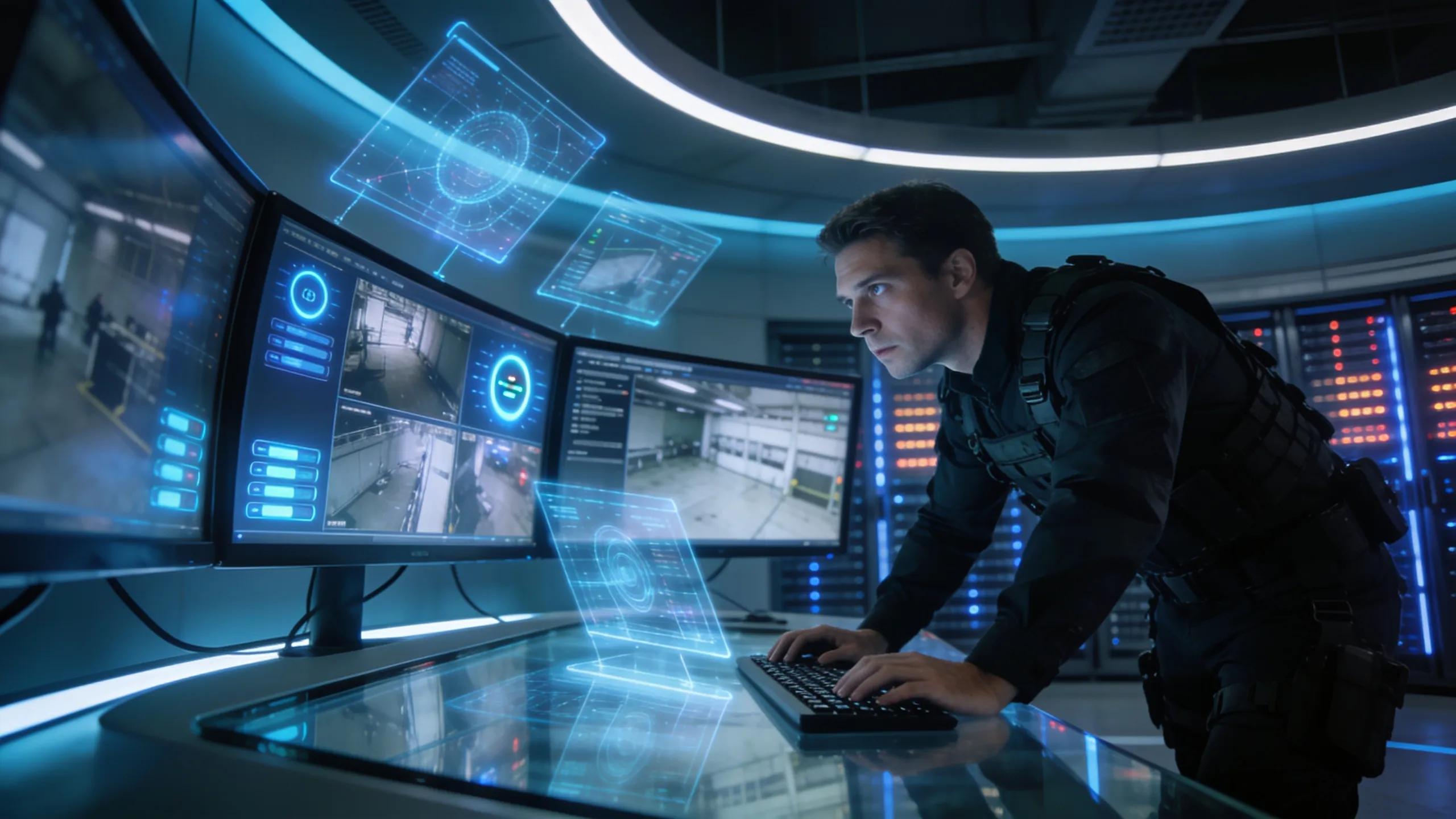
Commercial security systems are vital for businesses of all sizes as they protect against theft, vandalism, and other risks. These systems serve as a deterrent to potential criminals, reducing the likelihood of break-ins and unauthorized access. The presence of security measures also enhances employee safety, creating a secure environment where individuals can work without fear. Furthermore, maintaining operational integrity is essential for the reputation of any business; having robust security systems in place reassures both employees and clients that their safety is prioritized.
These systems not only provide immediate protection but can also lead to long-term benefits, such as lower insurance premiums and reduced losses due to theft. Moreover, numerous studies have shown that companies investing in commercial security solutions are better positioned to thrive in a competitive marketplace.
How Security Systems Protect Properties
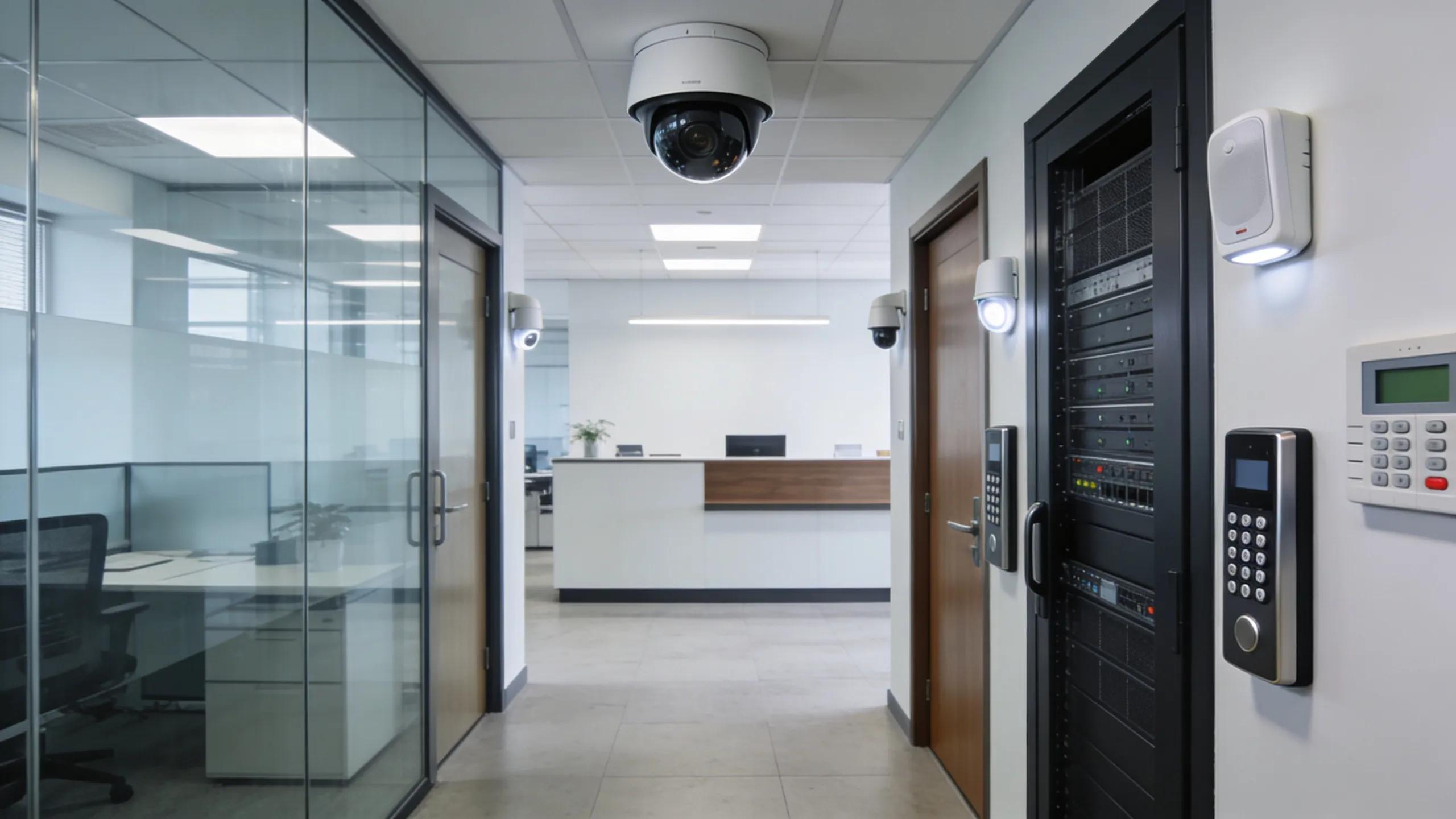
Security systems protect properties through several interconnected components that work in unison. These components include surveillance systems, access control systems, and alarm systems, each contributing to comprehensive security coverage.
- Surveillance Systems: CCTV systems provide real-time monitoring of premises, allowing for remote viewing and recording of activities. This not only helps in deterring criminal behavior but also aids in the documentation of events for legal purposes.
- Access Control: Access control systems regulate entry points to buildings and restricted areas, ensuring that only authorized personnel can gain access. This includes using biometric access control or credential verification methods to enhance security.
- Alarm Systems: Commercial alarm systems alert security personnel in case of unauthorized access or emergencies. Quick response times can significantly mitigate potential losses and enhance overall safety.
The synergy between these systems maximizes protection and ensures a comprehensive approach to business security.
Relevant Industry Standards
Compliance with industry standards is critical for any business implementing security systems. Following these guidelines ensures that your security measures are up to date and effective. Regular risk assessments are essential, as they help identify vulnerabilities within your current security framework and the necessary adjustments.
Adhering to safety regulations not only protects your business but also helps cultivate a culture of safety among your employees. By prioritizing security, organizations show their commitment to safeguarding their assets and personnel, which can positively influence employee morale and trust.
Access Control Solutions
Access control solutions are an integral component of commercial security systems, allowing businesses to manage who can enter specific areas within their premises. There are various types of access control systems, each with its benefits and applications.
Employing these access control technologies provides businesses with flexibility and enhances security measures. By leveraging modern technologies, companies can improve their defense mechanisms from potential threats.
Leading Technologies in Commercial Use
In recent years, advancements in technology have transformed the landscape of commercial security. Businesses now have access to various innovative solutions that improve safety and efficiency.
- AI-Enhanced Surveillance: The integration of artificial intelligence into surveillance systems enables real-time threat detection and analysis, significantly enhancing monitoring capabilities.
- Data Analytics for Risk Detection: Analyzing data from security systems allows businesses to identify potential risks and apply proactive measures to address them.
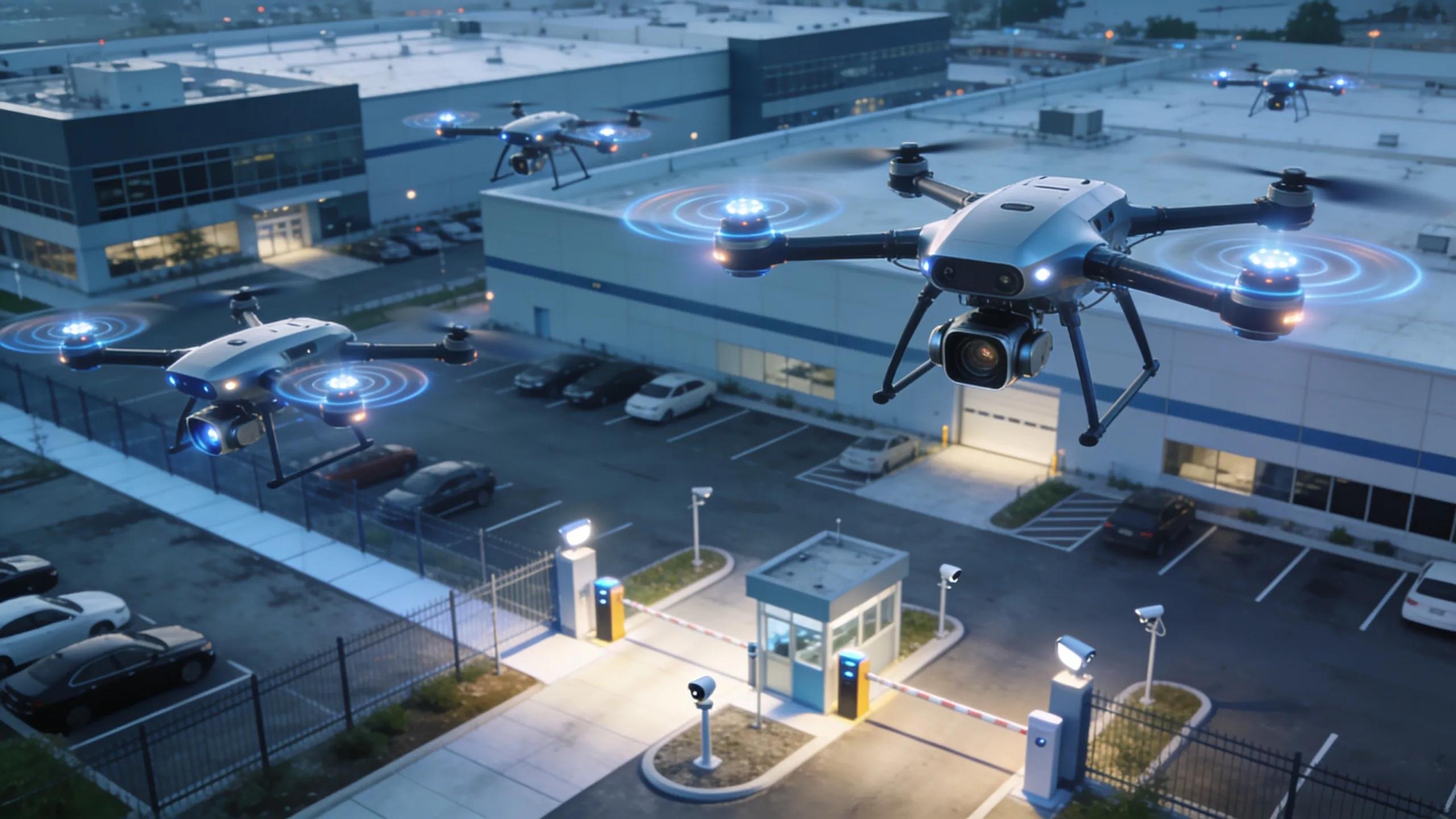
- Drones for Aerial Monitoring: Drones provide a dynamic surveillance perspective, particularly useful for large outdoor areas requiring continuous oversight.
These technologies not only improve security but also streamline operations and increase the effectiveness of security personnel.
Best Practices for Implementing Security Systems
Implementing security systems effectively requires careful planning and adherence to best practices. Some recommended strategies include:
- Conducting Regular Risk Assessments: Frequent evaluations of security measures help identify vulnerabilities and ensure that systems remain effective against evolving security threats.
- Integrating Technology with Traditional Security: Merging modern technology with traditional security measures can create a comprehensive security strategy, enhancing response rates and overall safety.
- Training Security Personnel: Regular training ensures that security staff are well-informed about the latest technologies and protocols, allowing them to respond effectively to incidents.
By following these best practices, companies can optimize their security systems and protect their assets more effectively over the long term.