
Rapid Response: Deploying Florida Class D & G Licensed Security Guards in Emergencies
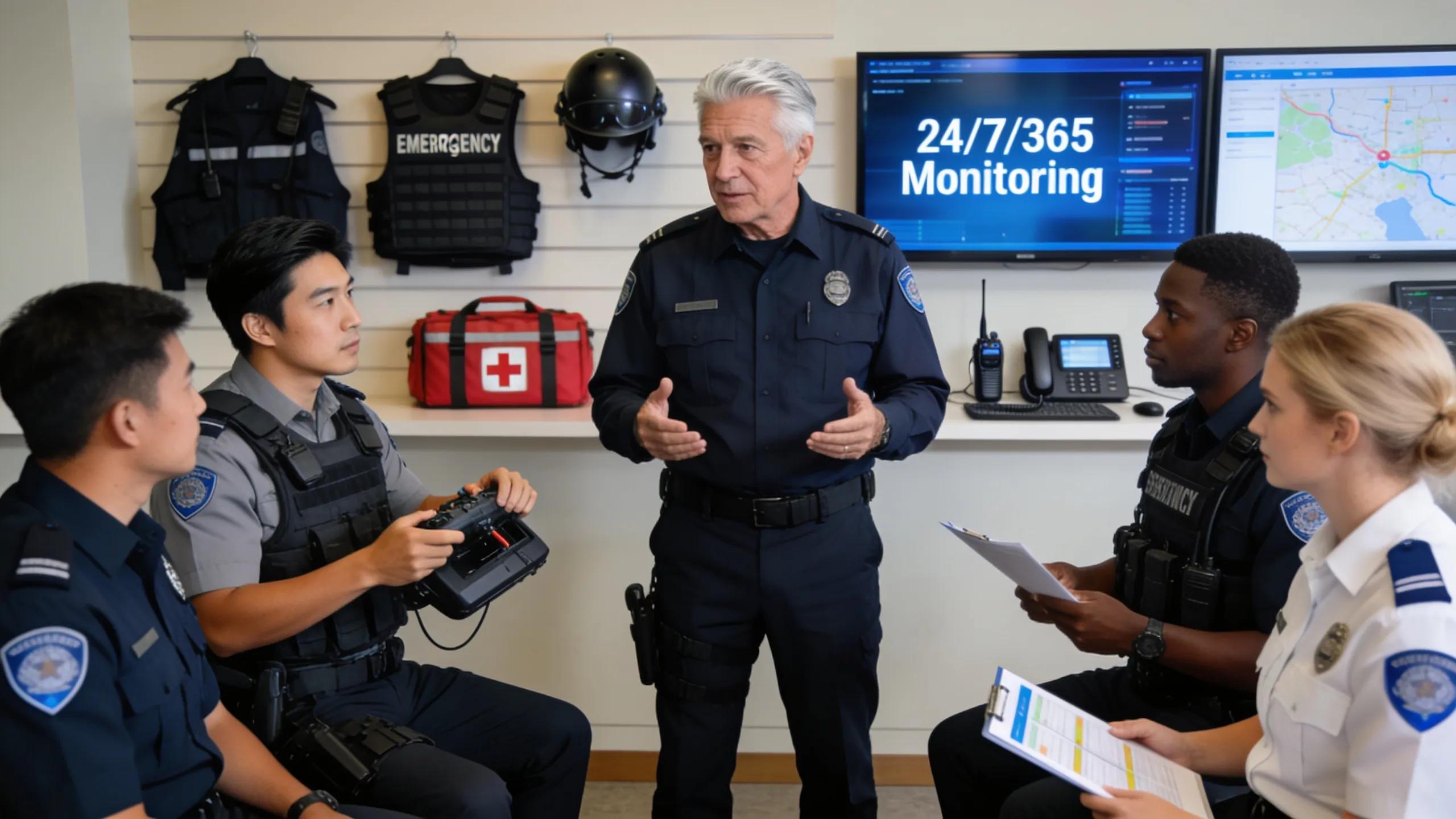
Rapid Response: Deploying Florida Class D & G Licensed Security Guards in Emergencies
By Alex Polazzo, UPM Security
In times of crisis, the swift and effective deployment of licensed security personnel is crucial for enhancing safety and ensuring a coordinated response. This article explores the strategies and procedures involved in employing Florida Class D and G licensed security guards during emergencies. Readers will gain insights into the responsibilities of these guards, understand the licensing requirements and differences, and learn about the engagement process for security services through UPM Security. Emergency situations necessitate both trained unarmed and armed guards, emphasizing the importance of rapid response capabilities and specialized training in crisis management.
By the end of this article, you will have a comprehensive understanding of how effective security measures can significantly mitigate risks during emergencies. We will cover essential topics including rapid response strategies, deployment procedures, and compliance regulations impacting security personnel in Florida.
Rapid Response Strategies
Rapid response strategies are paramount in ensuring the safety of individuals during emergencies. Immediate deployment capabilities are essential to mitigate risks, which often escalate quickly during crises. UPM Security emphasizes the value of special emergency response teams specifically trained in various emergency scenarios. The collaboration with local authorities enhances the effectiveness of security measures, facilitating a seamless response that prioritizes public safety.
Coordination among emergency services is vital, as it allows for the sharing of critical information and resources. Key strategies include the use of predefined protocols, leveraging technology to streamline communication, and ensuring continuous readiness among security personnel. This proactive approach minimizes response times and maximizes the effectiveness of security operations.
Efficient Deployment Procedures
Efficient deployment procedures ensure that security personnel are ready to mobilize at a moment’s notice. UPM Security has established various protocols to facilitate smooth operations during emergencies.
- Predefined Protocols: These protocols dictate the steps to follow when deploying security personnel, including assessment of the situation and identification of the required resources.
- Technology Utilization: The use of advanced communication tools and tracking systems enhances deployment efficiency by keeping teams informed and connected.
- Continuous Readiness: Regular training and drills are conducted to ensure that security personnel are familiar with their roles and responsibilities in emergencies.
Through these procedures, UPM Security guarantees that their teams are always prepared to respond effectively when needed.
Roles and Responsibilities of Security Personnel
The roles and responsibilities of security guards vary significantly between Class D and Class G licensed guards. Each type of guard brings unique skills and training to their positions, making them critical assets during emergencies.
This detailed differentiation clarifies the strengths that each type of licensed guard brings to emergency situations.
What Are Florida Class D and Class G Security Guard Licenses?
Understanding the differences between Florida Class D and Class G licenses is crucial for effective security deployment.
Class D Security License
A Class D security license is required for unarmed security guards in Florida. Candidates must complete a 40-hour training course focusing on safety and security protocols. Upon completing training, individuals must apply to the Florida Department of Agriculture and Consumer Services (FDACS) to obtain their license. The typical duties of Class D guards include monitoring premises, conducting patrols, and ensuring compliance with safety regulations.
Class G Security License
In contrast, a Class G security license allows personnel to carry firearms while on duty. Candidates must first complete the Class D training and then undergo an additional 28-hour firearms course focusing on proper handling and legal responsibilities associated with armed security. Applicants must also submit their documentation to the FDACS for licensing approval. The responsibilities of Class G guards include enforcement of security measures in high-risk settings and crisis intervention.
Differences Between Class D and Class G
The distinction between Class D and Class G licenses lies primarily in their capability to carry weapons and the criteria for each. While both types require training and adherence to regulations, the additional firearms training for Class G guards enables them to handle threats more assertively. This differentiation highlights the importance of choosing the right security personnel based on the specific needs of an event or situation.
Context of Rapid Response
The need for rapid response is further underscored by the unpredictable nature of emergencies. Having both armed and unarmed guards enables organizations to deploy appropriate resources based on the assessment of the risk involved. Each event comes with unique challenges, necessitating tailored security solutions that cater to distinct environments, such as public events or residential areas. The effectiveness of such strategies relies heavily on the proper licensing of security personnel.
Rapid deployment timelines depend on various factors, including the location of the incident and the type of security personnel required. UPM Security ensures that their teams are well-versed in rapidly assessing situations to provide effective solutions.
Client-Specific Security Solutions Utilizing Florida Licensed Guards in Emergencies
UPM Security offers tailored security solutions designed to meet the specific needs of clients during emergencies.
- Event Security: For large gatherings, security teams are equipped with specific strategies to manage crowds and ensure safety protocols are in place.
- Residential Security: For residential areas, security solutions include patrolling and monitoring entry points to safeguard homes and residents.
- Long-Term Agreements: UPM Security also engages in long-term client agreements, providing continuous security services for businesses that require regular support versus those needing incident-specific services.
These tailored offerings help clients feel secure in their environments regardless of the nature of emergencies.
Engagement Process with UPM Security for Emergency Guard Services
The engagement process for clients looking to employ emergency guard services is streamlined for ease and efficiency.
- Contact Methods: Clients can reach UPM Security through various channels for inquiries and consultations.
- Proposal Generation: After an initial consultation, detailed security proposals are generated based on specific needs and scenarios.
- Deployment Timeframes: UPM Security outlines clear deployment timeframes, which help clients understand when to expect security personnel on-site.
This transparent process allows for effective communication and planning to ensure that security measures are in place when needed most.
Compliance and Regulatory Updates Affecting Florida Security Guard Licensing in 2026
Staying informed on compliance and regulatory updates for security guard licensing is crucial, especially with ongoing changes in Florida laws. Recent updates have included modifications to training requirements, increased scrutiny during the licensing process, and fundamental shifts in the way security operations are managed. Understanding theFDACS security license verification process is part of this compliance.
As industries evolve in response to heightened threats and risks, security services must adapt accordingly. Future trends indicate that technology integration and enhanced training standards will continue to shape the landscape of security services in Florida.
Benefits and Performance Metrics of Rapid Deployment Security Services
The benefits of utilizing rapid deployment security services cannot be overstated, especially during emergencies.
- Effectiveness During Crises: Quick response capabilities significantly improve safety outcomes for individuals and properties.
- Response Time Metrics: Fast action reduces the potential for escalation during incidents, with metrics often showing measurable improvements in safety outcomes.
- Overall Safety Impact: Rapid deployment services contribute deeply to a sense of security and public trust, proving invaluable in risk-prone environments.
These metrics highlight the profound impact that well-trained and readily available security personnel can have on emergency situations.