
Florida Security Guard Licensing Requirements Explained: How to Obtain Class D & G Licenses
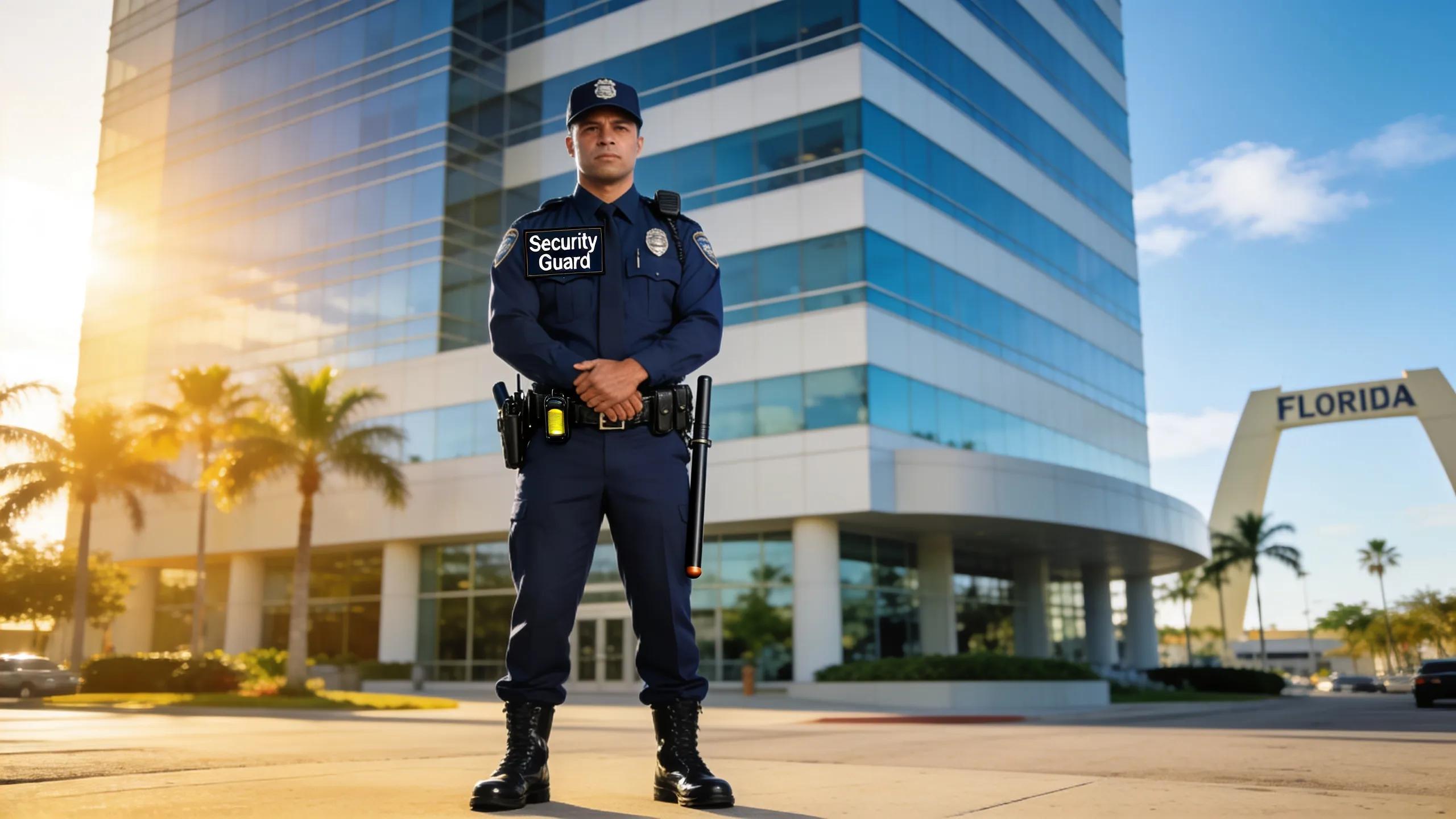
By Alex Polazzo, UPM Security
Navigating the landscape of security guard licensing in Florida can be daunting for many aspiring professionals. Understanding the specific requirements necessary to obtain a Class D or Class G license is crucial for those looking to enter this field. This comprehensive guide will walk you through the essential steps and qualifications needed to thrive in the security industry, focusing on the nuances of both unarmed (Class D) and armed (Class G) licenses. Readers can expect detailed explanations of training requirements, background checks, and agency oversight. If you are keen on starting or advancing your career as a security guard in Florida, this article will outline everything you need to know, ensuring you meet the necessary licensing requirements efficiently.
What Are the Key Requirements for Obtaining a Florida Class D Security Guard License?
To obtain a Florida Class D Security Guard License, candidates must fulfill several key requirements. First, applicants must be at least 18 years old. Additionally, completion of a 40-hour training course approved by the Florida Department of Agriculture and Consumer Services (FDACS) is mandatory. As part of the application process, candidates must also pass a criminal background check to ensure they meet the integrity standards expected of licensed security personnel.
UPM Security provides valuable consulting services for individuals seeking information and assistance on licensing. Their expertise can help streamline the application process and clarify the necessary qualifications to achieve your Class D license successfully.
What Training and Background Checks Are Mandatory for Class D Licenses?
The mandatory training for the Class D license includes several components designed to equip security guards with the knowledge and skills necessary for effective performance. This training covers emergency response protocols, legal responsibilities, and conflict resolution strategies. Furthermore, the background check reviews the applicant’s criminal history, assessing any potential risks associated with granting a security license. Ongoing education requirements are also critical for maintaining up-to-date knowledge in the field.
Which Regulatory Agency Oversees Class D License Issuance in Florida?
The Florida Department of Agriculture and Consumer Services (FDACS) is the regulatory agency responsible for overseeing the issuance of Class D licenses. This agency ensures that all applicants complete the necessary training and comply with regulatory standards. The FDACS plays a crucial role in maintaining the professionalism and integrity of licensed security personnel, making it imperative for prospective guards to understand its functions within the licensing process.
How Does One Acquire a Florida Class G Security Guard License for Armed Duties?
Acquiring a Florida Class G Security Guard License involves a more stringent process compared to the Class D license, primarily due to the authorization to carry a firearm. Firstly, candidates must already possess a valid Class D license. Subsequently, they need to complete an additional firearms training course, which covers both the safety protocols for handling weapons and the legal implications of using a firearm in security contexts.
This process also includes passing a comprehensive background check and a psychological evaluation to ensure that candidates are fit to carry a weapon in their capacity as armed security personnel.
What Are the Specific Training and Licensing Fees for a Class G License?
The costs associated with obtaining a Class G license include fees for both the firearms training course and the licensing application itself. Fees may vary based on the training provider, so individuals are encouraged to budget appropriately for these services. Typically, the combined costs for the training and application process can amount to several hundred dollars, underscoring the importance of planning financial resources accordingly.
What Distinguishes Class G from Class D Licenses in Terms of Legal Permissions?
The key distinction between Class D and Class G licenses lies in their permissions regarding the use of firearms. A Class D license permits individuals to operate as unarmed security guards, focusing on surveillance and protection without weapons. In contrast, a Class G license authorizes holders to carry firearms while performing their duties. This requirement necessitates more rigorous training and a greater understanding of legal ramifications surrounding the use of lethal force, which lends itself to increased responsibility in the role of an armed guard.
What Are the Standard Procedures for Security Guard Training and Certification in Florida?
The state of Florida mandates a structured procedure for security guard training and certification to ensure that all security personnel are well-equipped to perform their duties. Candidates seeking to become licensed as security guards must complete specific training programs that cover essential topics, including physical security measures, communication skills, and emergency protocols.
The necessity of ongoing education and training is a key aspect of maintaining licensure, requiring guards to stay updated with industry standards and legal regulations.
Which Accredited Florida Security Training Schools Provide Class D and G Programs?
Selecting accredited training schools is crucial for those pursuing Class D and G licenses in Florida. Accredited institutions adhere to the standards set forth by the FDACS and offer valid training that meets state requirements. Opting for an accredited program not only ensures quality but also enhances the credibility of the training received.
How Are Background Check and Continuing Education Requirements Structured?
Background checks for security guard applicants are designed to assess criminal histories thoroughly. These are crucial in maintaining the integrity of the security profession. In addition to initial background checks, continuing education requirements are essential to ensure that licensed guards remain informed about the evolving landscape of laws and practices pertinent to security services. This ongoing training may include workshops, refresher courses, or updates on legal guidelines relevant to security operations.
How Does Licensing Renewal Work and What Continuing Education Is Required?
Licensing renewal in Florida follows a structured timeline to ensure that security guards maintain their qualifications. Typically, Class D and G licenses require renewal every two years. During this period, guards must submit proof of completed continuing education and any associated fees to the FDACS.
What Are the Renewal Periods and Fees for Class D and G Licenses?
Renewal periods for both Class D and Class G licenses are aligned with the two-year mark following the initial issuance. Fees for renewal can vary and generally require payment to the FDACS. Failing to renew a license before its expiration can lead to additional penalties or the necessity to undergo the licensing process anew.
What Continuing Education Is Mandatory to Maintain Security Guard Certification?
Continuing education is mandated for licensed security guards to help them stay updated on the latest trends, regulations, and best practices within the industry. This education may include legal updates, safety protocols, and advanced training in areas specific to their assigned duties. It not only helps maintain licensure but also enhances the quality and effectiveness of the security personnel operating within Florida.