
Designing an Emergency Communications Plan
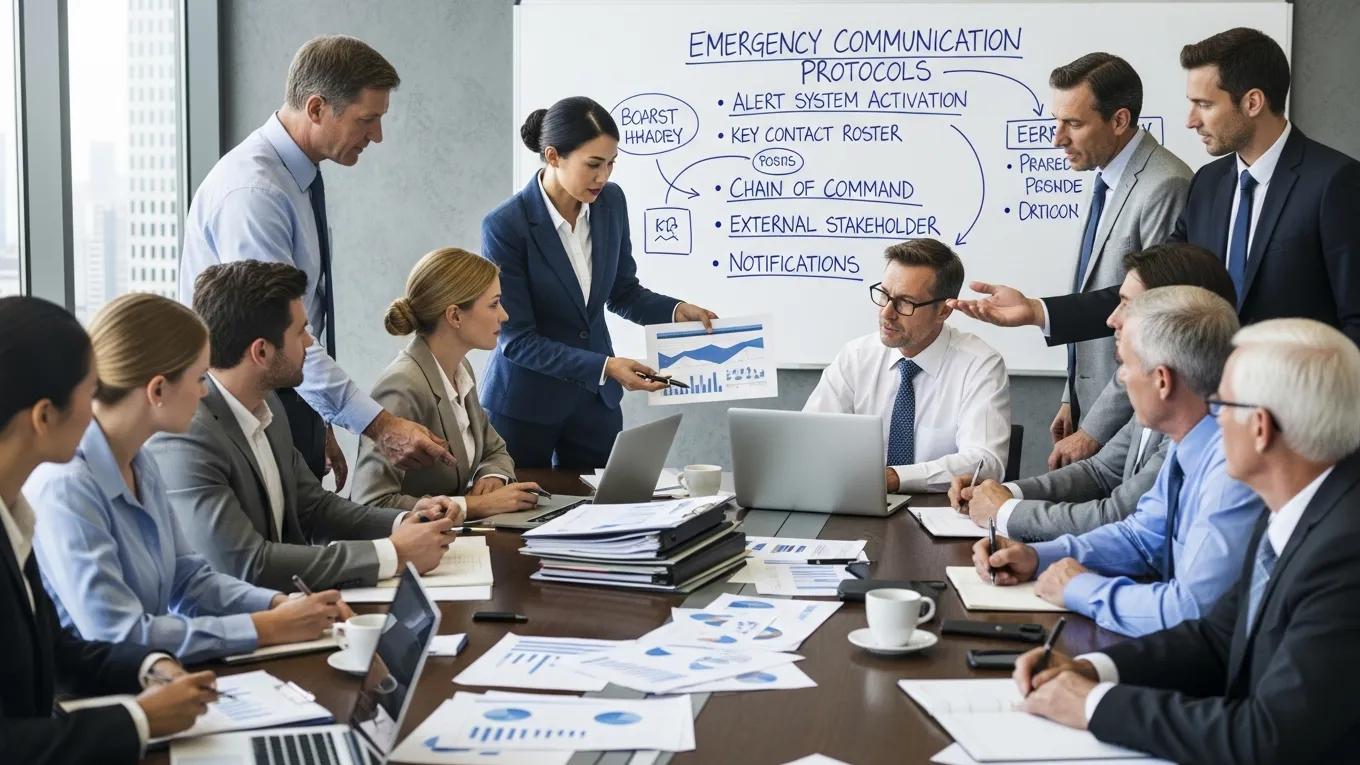
Emergency Communication Planning Frameworks by UPM Security
In an increasingly unpredictable world, the importance of a well-structured emergency communications plan cannot be overstated. This plan serves as a vital framework for organizations to communicate effectively during crises, ensuring that critical information reaches stakeholders promptly. Readers will learn about the essential components of an emergency communication plan, the role of emergency notification systems, best practices for effective communication, and how businesses can implement these strategies successfully. This article will also explore the latest trends in emergency communication and how UPM Security can assist in tailoring these solutions to meet specific needs. By understanding the intricacies of emergency communications, organizations can enhance their preparedness and response capabilities, ultimately safeguarding their operations and stakeholders.
What Are the Essential Components of an Emergency Communication Plan?
An emergency communication plan is a strategic framework designed to facilitate effective communication during crises. It encompasses various elements that ensure timely and accurate information dissemination, which is crucial for maintaining safety and operational continuity. The primary components include clear communication protocols, designated communication channels, and a well-defined incident command structure. These elements work together to streamline communication efforts, allowing organizations to respond swiftly and effectively to emergencies.
Key Elements of Crisis Communication Strategies for Businesses
Effective crisis communication strategies are built on several key elements that enhance an organization’s ability to manage emergencies. These include:
- Proactive Threat Assessment: Identifying potential risks and vulnerabilities to prepare for possible crises.
- De-escalation Techniques: Implementing strategies to mitigate the impact of a crisis and reduce panic among stakeholders.
- Multi-agency Coordination: Collaborating with local authorities and emergency services to ensure a unified response.
UPM Security specializes in providing comprehensive security services and protective solutions tailored to clients requiring robust emergency communication frameworks. Their expertise can help organizations develop and implement these essential strategies effectively.
Integrating Public Safety Alerts and Emergency Notification Systems
Integrating public safety alerts into an emergency communication plan is vital for ensuring timely responses during crises. These alerts serve as immediate notifications to stakeholders about potential threats or emergencies, allowing for swift action. Technological solutions, such as mass notification systems, play a crucial role in this integration by providing real-time updates through various channels, including text messages, emails, and social media. Best practices for integration involve regular testing of alert systems and ensuring that all stakeholders are familiar with the protocols for receiving and responding to alerts.
How Do Emergency Notification Systems Enhance Business Continuity?
Emergency notification systems are essential tools that enhance business continuity by facilitating real-time communication during crises. These systems enable organizations to disseminate critical information quickly, ensuring that employees and stakeholders are informed and can take appropriate action. By maintaining open lines of communication, businesses can mitigate risks and reduce the potential impact of emergencies on operations.
Comparing Technologies Supporting Real-Time Alerting
When evaluating technologies for real-time alerting, organizations should consider various options, including:
This comparison highlights the diverse options available for organizations seeking to implement effective emergency notification systems.
Multi-Channel Communication Tools for Rapid Emergency Response
Multi-channel communication tools are critical for ensuring rapid emergency response. These tools allow organizations to reach stakeholders through various platforms, including SMS, email, social media, and voice calls. The benefits of using multi-channel tools include:
- Increased Reach: Ensuring that messages reach a broader audience, regardless of their preferred communication method.
- Enhanced Engagement: Engaging stakeholders through multiple touchpoints increases the likelihood of message reception.
- Flexibility: Adapting communication strategies based on the nature of the emergency and the audience’s needs.
Implementing these tools effectively requires careful planning and regular training to ensure that all team members are familiar with the systems in place.
What Best Practices Ensure Effective Emergency Response Communication?
To ensure effective communication during emergencies, organizations should adhere to several best practices. These practices help streamline communication efforts and enhance overall response effectiveness.
Step-by-Step Guide to Developing a Robust Emergency Communication Plan
Developing a robust emergency communication plan involves several critical steps:
- Establish Clear Objectives: Define the goals of the communication plan, including what information needs to be communicated and to whom.
- Identify Stakeholders: Determine who will be affected by the emergency and who needs to receive information.
- Develop Communication Protocols: Create guidelines for how information will be shared, including the channels and frequency of updates.
By following these steps, organizations can create a comprehensive plan that addresses their specific needs and enhances their crisis response capabilities.
Risk Assessment and Proactive Prevention Strategies
Conducting a thorough risk assessment is essential for identifying potential threats and vulnerabilities within an organization. This assessment should include:
- Comprehensive Site Analysis: Evaluating the physical and operational aspects of the organization to identify risks.
- Environmental Security Review: Assessing external factors that could impact safety and security.
- Customized Patrol Protocols: Developing tailored security measures based on identified risks.
These proactive prevention strategies help organizations mitigate risks and enhance their overall emergency preparedness.
How Can Businesses Implement Crisis Communication Protocols Successfully?
Implementing effective crisis communication protocols requires a strategic approach that encompasses various elements.
Establishing Crisis Management Teams and Communication Workflows
Creating dedicated crisis management teams is crucial for ensuring a coordinated response during emergencies. These teams should be composed of individuals with diverse expertise and responsibilities, allowing for a comprehensive approach to crisis management. Establishing clear communication workflows within these teams ensures that information is shared efficiently and effectively.
Training and Simulation Exercises for Preparedness
Regular training and simulation exercises are vital for preparing teams to respond effectively during emergencies. These exercises should include:
- Types of Exercises: Conducting tabletop exercises, live drills, and scenario-based training to simulate real-life situations.
- Implementation Steps: Developing a training schedule and ensuring all team members participate.
- Effective Training Scenarios: Creating realistic scenarios that challenge teams to think critically and respond appropriately.
By investing in training and simulations, organizations can enhance their preparedness and ensure that all team members are equipped to handle emergencies.
What Are the Latest Trends and Statistics in Emergency Communication?
Staying informed about the latest trends and statistics in emergency communication is essential for organizations looking to enhance their strategies.
2024-2026 Industry Insights on Integrated Emergency Communication Platforms
Recent industry insights indicate a growing demand for integrated emergency communication platforms that combine various communication tools into a single system. These platforms offer several advantages, including:
- Real-Time Alerting: Providing immediate notifications to stakeholders during emergencies.
- Multi-Channel Strategies: Ensuring that messages reach audiences through their preferred communication methods.
- Enhanced Data Analytics: Allowing organizations to analyze communication effectiveness and make data-driven improvements.
These trends highlight the importance of adopting modern technologies to improve emergency communication efforts.
Further research supports the evolving landscape of crisis communication, emphasizing the role of advanced technologies in future preparedness.
Future Trends in Crisis Communication: ICT, AI, and Mobile Alerts
This narrative review examines contemporary challenges of human-centred crisis informatics and envision trends for the following decade, including (I) a broadening scope of crisis informatics, (II) the professionalisation of cross-platform collaboration of citizen communities and emergency services, (III) expert interfaces for explainable and multimodal artificial intelligence for user-generated content assessment, (IV) internet of things and mobile apps for bidirectional communication and warnings in disruption-toler
Exploring the evolving landscape of human-centred crisis informatics: current challenges and future trends, MA Kaufhold, 2024
Case Studies Demonstrating Effective Emergency Communications
Examining case studies of organizations that have successfully implemented emergency communication strategies can provide valuable insights. These case studies often showcase:
- Successful Implementations: Highlighting organizations that effectively managed crises through robust communication plans.
- Lessons Learned: Identifying key takeaways that can inform future strategies.
- Best Practices: Sharing proven methods that enhance communication effectiveness during emergencies.
By learning from these examples, organizations can refine their own emergency communication plans and improve their overall response capabilities.
How Does UPM Security Provide Tailored Emergency Communication Solutions?
UPM Security offers specialized services designed to help organizations develop and implement effective emergency communication plans. Their approach includes personalized security consultations and protective solutions tailored to meet the unique needs of each client.
Personalized Security Consultations and Protective Solutions
UPM Security provides free consultations to assess an organization’s specific security needs. Their tailored security strategies focus on:
- Assessment of Specific Threats: Identifying vulnerabilities and developing customized plans to address them.
- Continuous Monitoring: Implementing systems to ensure ongoing safety and security.
- Emergency Response Planning: Creating comprehensive plans that outline communication protocols and response strategies.
These personalized solutions ensure that organizations are well-prepared to handle emergencies effectively.
Contacting UPM Security for Customized Emergency Response Planning
Organizations interested in enhancing their emergency communication strategies can contact UPM Security for customized planning. They offer various contact methods, including phone and email, to facilitate consultations. The importance of tailored strategies cannot be overstated, as each organization’s needs and risks are unique. By working with UPM Security, businesses can develop a robust emergency communication plan that aligns with their specific requirements and enhances their overall preparedness.