Onsite Medic vs 911 Response: Roles and Limits
Onsite Medic vs 911 Response: Comprehensive Roles and Limitations Analysis for Emergency Medical Services Coordination
By Alex Polazzo, Universal Protection Management
In emergency situations, the distinction between onsite medics and 911 response services is crucial for effective medical intervention. Onsite medics provide immediate care at events or private properties, while 911 responders are equipped for broader emergency scenarios. This article explores the roles, limitations, and coordination between these two critical services, helping readers understand when to rely on onsite medical support versus calling 911. By examining their respective capabilities and response times, we aim to clarify the best practices for emergency medical services coordination. Key sections will cover the roles and limitations of both onsite medics and 911 services, the importance of coordination, and how organizations like UPM Security facilitate seamless EMS integration.
Roles of Onsite Medics:
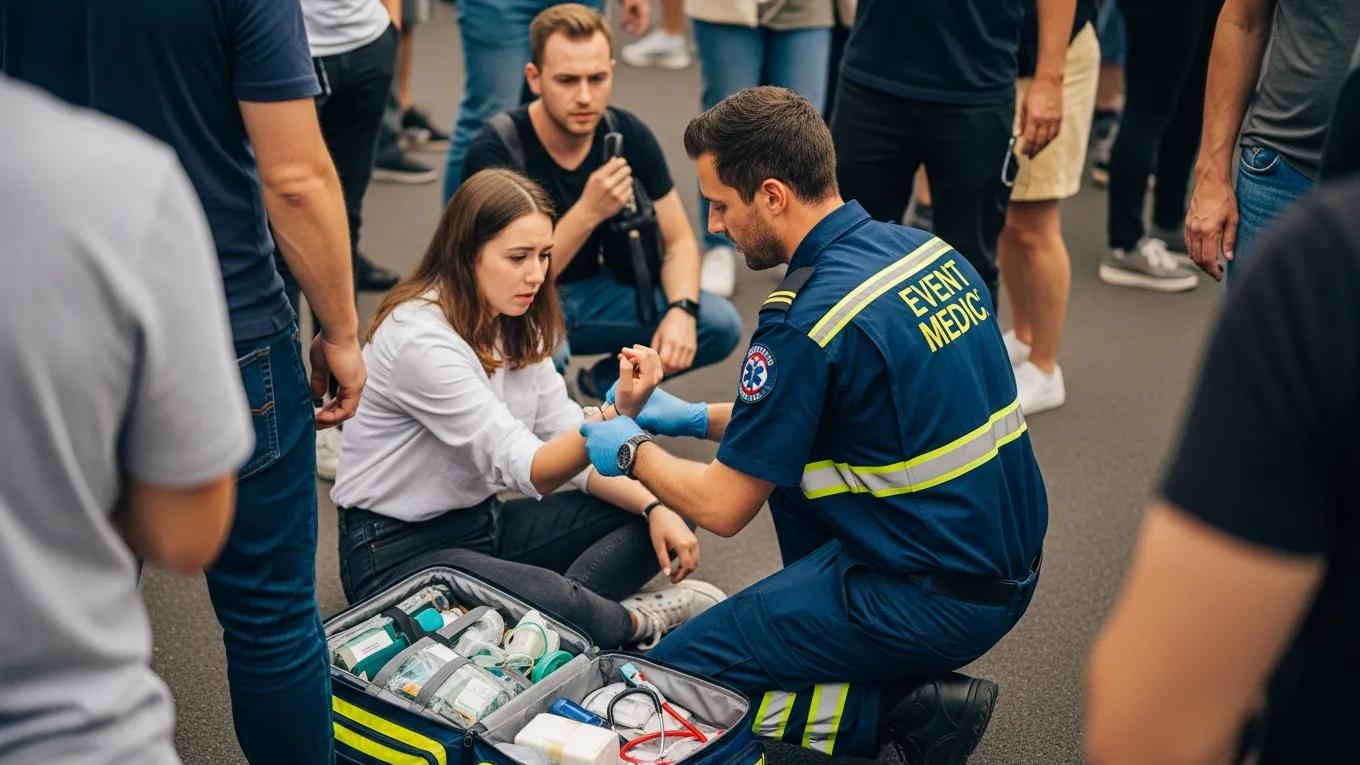
Onsite medics play a vital role in providing immediate medical assistance during events or in high-risk environments. Their primary responsibilities include assessing injuries, administering first aid, and stabilizing patients until further medical help arrives. Onsite medics are trained to handle various medical emergencies, ensuring that individuals receive timely care. This immediate response capability is essential in preventing complications and improving patient outcomes.
Immediate Response Capabilities
Onsite medics are trained to respond quickly to medical emergencies, often arriving at the scene before 911 responders. Their ability to provide immediate care can be life-saving, especially in critical situations where every second counts. This rapid response is crucial in managing injuries and stabilizing patients until advanced medical personnel can take over.
Coordination with Emergency Services
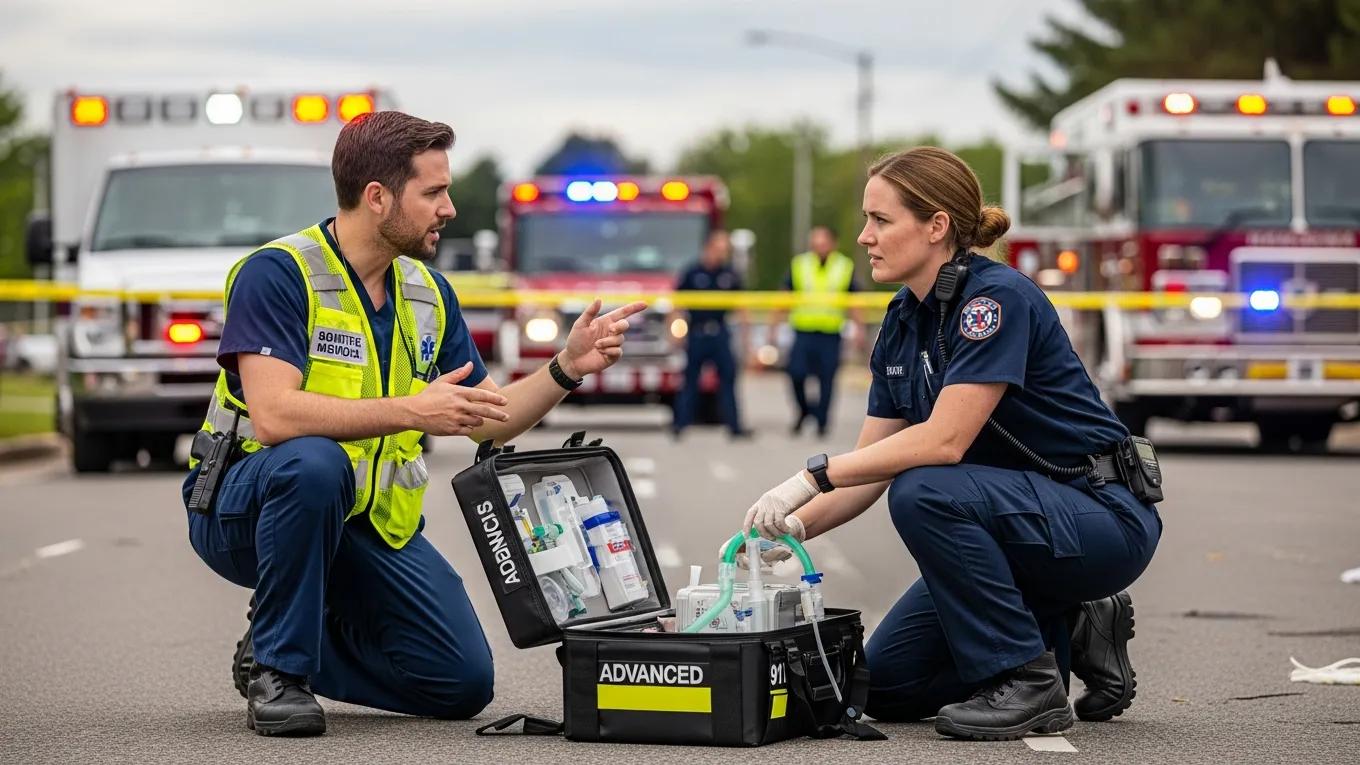
Effective coordination between onsite medics and 911 services is essential for optimal patient care. Onsite medics often initiate communication with emergency responders, providing vital information about the situation and the patient’s condition. This collaboration ensures a smooth transition of care, allowing 911 responders to focus on advanced treatment upon arrival.
Preventive Measures and Conflict Management
In addition to responding to emergencies, onsite medics also play a role in preventive care and conflict management. They can identify potential hazards at events and implement safety measures to minimize risks. By addressing issues proactively, onsite medics contribute to a safer environment for all attendees.
Limitations of Onsite Medics:
While onsite medics provide essential services, they also face limitations that can impact their effectiveness in certain situations. Understanding these limitations is crucial for event organizers and individuals seeking medical support.
Scope of Practice Limitations
Onsite medics operate within a defined scope of practice, which may limit their ability to perform certain medical procedures. They are trained to provide basic life support and first aid but may not have the advanced training required for more complex medical interventions. This limitation underscores the importance of having a clear plan for when to call 911.
Resource Constraints
Onsite medics may have limited resources compared to 911 responders. They typically carry basic medical supplies and equipment, which may not be sufficient for all emergencies. In situations requiring advanced care or specialized equipment, the involvement of 911 services becomes necessary.
Dependence on 911 Services
Onsite medics often rely on 911 services for advanced medical care and transportation to hospitals. Their role is primarily to stabilize patients and provide initial care, making it essential to have a reliable communication system in place to summon 911 responders when needed.
Roles of 911 Emergency Response Services:
911 emergency response services are equipped to handle a wide range of medical emergencies, providing advanced care and transportation to medical facilities. Their roles encompass various responsibilities that are critical in emergency situations.
Advanced Medical Care Capabilities
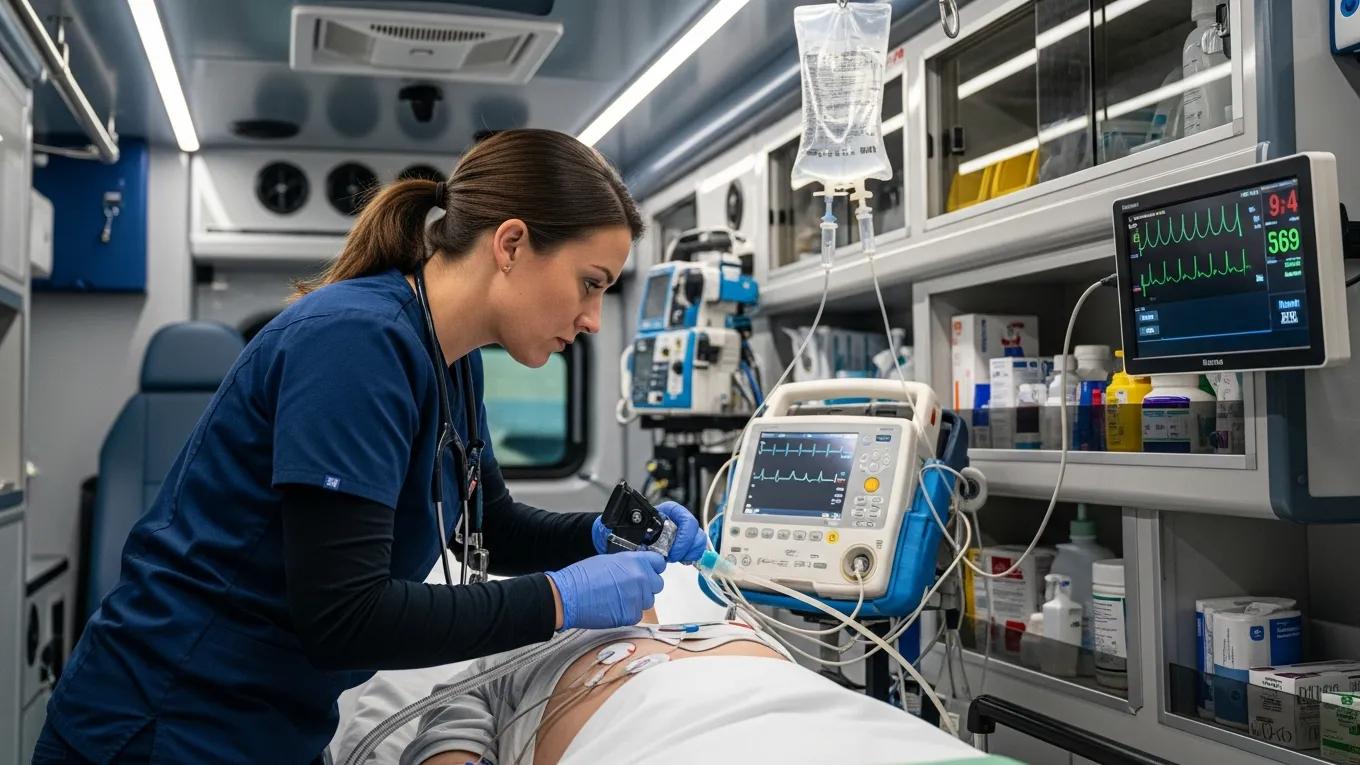
911 responders are trained to provide advanced medical care, including administering medications, performing advanced life support, and utilizing specialized equipment. Their extensive training and resources enable them to handle complex medical emergencies effectively.
Comprehensive Resources Available
Unlike onsite medics, 911 responders have access to a broader range of medical resources, including ambulances equipped with advanced life support systems. This access allows them to provide comprehensive care and transport patients to hospitals quickly.
Coordination with Other Agencies
911 services often coordinate with other emergency agencies, such as fire and police departments, to ensure a comprehensive response to emergencies. This collaboration enhances the overall effectiveness of emergency medical services and ensures that patients receive the best possible care.
Limitations of 911 Emergency Response Services:
Despite their capabilities, 911 emergency response services also face limitations that can affect their response times and effectiveness.
Response Time Challenges
One of the primary limitations of 911 services is the potential for delays in response times, especially in high-traffic areas or during large-scale events. Factors such as traffic congestion and the distance to the emergency site can impact how quickly responders arrive.
Studies have explored the complexities of 911 response times, particularly in urban settings, and their implications for patient mortality.
EMS Response Time & Mortality: Urban 911 Limitations
This analysis highlights the need for further research on who may benefit from rapid EMS response. Rather, this analysis highlights clinical limitations in defining response time as the time from 9-1-1 call to arrival at the scene.
Emergency medical services response time and mortality in an urban setting, CJ Doig, 2012
Geographic Limitations
911 services may also face geographic limitations, particularly in rural or remote areas where access to emergency services is more challenging. In such cases, onsite medics may be the first line of defense until 911 responders can reach the location.
Coordination in Emergency Situations:
Effective coordination between onsite medics and 911 services is essential for ensuring optimal patient care during emergencies. This collaboration can significantly impact patient outcomes and the overall efficiency of emergency response efforts.
Research further underscores the critical role of seamless coordination among all emergency care stakeholders for optimal patient outcomes.
Emergency Medical Services Coordination for Improved Patient Outcomes
Emergency care systems typically entail at least two different services, with each service functioning in a different sector and provided by different stakeholders (e.g. bystanders, ambulance dispatchers, ambulance workers, and healthcare personnel at emergency units). Coordination of care is a crucial factor in emergency care systems, and should be done from the earliest onset of symptoms.
Coordination of care to improve outcomes of emergency medical services, Y Jin, 2023
Importance of Effective Communication
Clear communication between onsite medics and 911 responders is critical for successful emergency management. Onsite medics must relay accurate information about the patient’s condition and the nature of the emergency to ensure that 911 responders are prepared upon arrival.
Role of Onsite Medics in Initiating Care
Onsite medics often initiate care before 911 responders arrive, providing essential first aid and stabilizing patients. This proactive approach can make a significant difference in patient outcomes, particularly in life-threatening situations.
Benefits of Seamless Transitions
A seamless transition of care from onsite medics to 911 responders is vital for effective emergency management. By working together, these two services can ensure that patients receive continuous care throughout the emergency response process.
What Are the Core Differences Between Onsite Medic Services and 911 Emergency Response?
Understanding the core differences between onsite medic services and 911 emergency response is crucial for making informed decisions during emergencies.
Differences in Response Times
Onsite medics typically arrive at the scene faster than 911 responders, providing immediate care. In contrast, 911 services may experience delays due to various factors, including traffic and distance.
Scope of Practice
Onsite medics are limited to basic life support and first aid, while 911 responders can perform advanced medical procedures. This difference highlights the importance of knowing when to call for additional help.
Resource Availability
911 responders have access to a wider range of medical resources and equipment compared to onsite medics. This access allows them to provide comprehensive care and transport patients effectively.
How Do Response Times Compare Between Onsite Medics and 911 Services?
Response times are a critical factor in emergency medical services, and understanding how they compare between onsite medics and 911 services can inform decision-making during emergencies.
Average Response Times
Onsite medics often have an average response time of minutes, depending on their proximity to the emergency site. In contrast, 911 response times can vary significantly based on location and traffic conditions.
Factors Affecting Response Times
Several factors can influence response times for both onsite medics and 911 services, including the nature of the emergency, geographic location, and available resources. Understanding these factors can help individuals make informed decisions about when to call for help.
What Are the Defined Roles and Scope of Practice for Onsite Medics Versus 911 Responders?
The roles and scope of practice for onsite medics and 911 responders are defined by their training and the services they provide.
Training and Certification Differences
Onsite medics typically undergo training in basic life support and first aid, while 911 responders receive extensive training in advanced medical care and emergency response protocols. This difference in training directly impacts their respective scopes of practice.
Immediate Response Capabilities
Onsite medics are trained to provide immediate care and stabilize patients, while 911 responders focus on advanced treatment and transportation. Understanding these roles is essential for effective emergency management.
How Does EMS Coordination Enhance Onsite Medical Support and 911 Response Integration?
Effective EMS coordination is crucial for enhancing the integration of onsite medical support and 911 response services.
Importance of Training and Preparedness
Training and preparedness are essential for ensuring that onsite medics and 911 responders can work together effectively. Regular training exercises and communication drills can improve coordination and response times.
Real-Time Communication Systems
Implementing real-time communication systems can facilitate better coordination between onsite medics and 911 responders. These systems allow for the rapid exchange of information, ensuring that both parties are informed and prepared for the situation at hand.
What Protocols Govern Communication Between Onsite Medics and Emergency Medical Services?
Clear protocols for communication between onsite medics and emergency medical services are essential for effective emergency management.
Importance of Documentation
Accurate documentation of patient information and care provided is critical for ensuring continuity of care. Onsite medics must maintain detailed records to facilitate communication with 911 responders.
Effective Handoff Procedures
Establishing effective handoff procedures is vital for ensuring that patients receive continuous care during transitions between onsite medics and 911 responders. This process includes relaying critical information about the patient’s condition and treatment.
How Does UPM Security Facilitate Seamless EMS Coordination in High-Risk Environments?
UPM Security specializes in comprehensive security services, including facilitating seamless EMS coordination in high-risk environments.
Specialized Training for Personnel
UPM Security provides specialized training for personnel to ensure they are equipped to handle medical emergencies effectively. This training enhances the overall safety and preparedness of events and high-risk situations.
Proactive Threat Assessment
By conducting proactive threat assessments, UPM Security can identify potential risks and implement safety measures to mitigate them. This proactive approach contributes to a safer environment and enhances the effectiveness of onsite medical support.
This proactive approach aligns with principles of tactical emergency medical support, which emphasizes specialized care and interagency communication in high-threat environments.
Tactical EMS: Onsite Medical Care & Interagency Communication
High‑threat law enforcement operations have accelerated the integration of Tactical Emergency Medical Support (TEMS) into police missions, translating battlefield lessons to the civilian domain. TEMS emphasizes threat‑calibrated care, structured operational zoning (hot/warm/cool), rapid and remote assessment, and a trauma sequence that prioritizes exsanguination control (XABCDE). It also formalizes extraction and evacuation pathways and demands disciplined interagency communication and healthcare security practices.
Healthcare Security In Tactical Emergency Medical Services: Medical Care And Casualty Evacuation Under Active Threat Conditions, 2024
What Qualifications and Training Define Professional Onsite Medics Compared to 911 Responders?
The qualifications and training of onsite medics and 911 responders differ significantly, impacting their roles in emergency situations.
Certifications Required
Onsite medics typically hold certifications in basic life support and first aid, while 911 responders are often certified as paramedics or emergency medical technicians (EMTs). This difference in certification reflects the varying levels of training and expertise.
Training Differences
The training for onsite medics focuses on immediate care and stabilization, while 911 responders receive extensive training in advanced medical procedures and emergency response protocols. This distinction is crucial for understanding their respective roles in emergencies.
When Should Event Organizers and High-Profile Clients Rely on Onsite Medical Support Versus Calling 911?
Determining when to rely on onsite medical support versus calling 911 is essential for effective emergency management.
Situations Requiring Immediate Care
Event organizers and high-profile clients should consider onsite medical support for situations requiring immediate care, such as minor injuries or medical emergencies that can be managed on-site.
Assessment of Risks
A thorough assessment of risks can help determine the appropriate level of medical support needed for an event. In high-risk situations, having onsite medics available can provide peace of mind and ensure prompt care.
What Are the Benefits and Limitations of Onsite Medical Support at Events and Private Properties?
Onsite medical support offers several benefits and limitations that event organizers should consider.
Immediate Response Benefits
The primary benefit of onsite medical support is the ability to provide immediate care, which can be critical in emergencies. This rapid response can significantly improve patient outcomes and reduce the severity of injuries.
Scope of Practice Limitations
However, onsite medics operate within a limited scope of practice, which may necessitate calling 911 for advanced care. Understanding these limitations is essential for effective emergency planning.
How Do Risk Assessments Inform Decisions Between Onsite Medics and 911 Emergency Services?
Risk assessments play a crucial role in informing decisions about the appropriate level of medical support needed for events and emergencies.
Identifying Specific Risks
Conducting thorough risk assessments allows event organizers to identify specific risks associated with their events. This information can guide decisions about whether to rely on onsite medics or call 911.
Evaluating Emergency Response Capabilities
Evaluating the emergency response capabilities of onsite medics and 911 services is essential for ensuring that appropriate measures are in place. This evaluation can help organizations develop effective emergency response plans tailored to their specific needs.