Event Security Planning Checklist for Organizers
Comprehensive Event Security Planning Checklist for Organizers: Ensuring Effective Risk Management and Protection
By Alex Polazzo, Universal Protection Management
Event security planning is a critical aspect of organizing successful gatherings, whether they are corporate events, concerts, or festivals. A well-structured security plan not only protects attendees but also mitigates risks associated with potential threats. This article provides a comprehensive checklist for event organizers, detailing essential steps to ensure effective risk management and protection. Readers will learn how to conduct security risk assessments, implement crowd control strategies, develop emergency response plans, and consider professional security services. By addressing these key areas, organizers can create a safe environment that enhances the overall experience for all participants.
How to Conduct a Security Risk Assessment for Events?
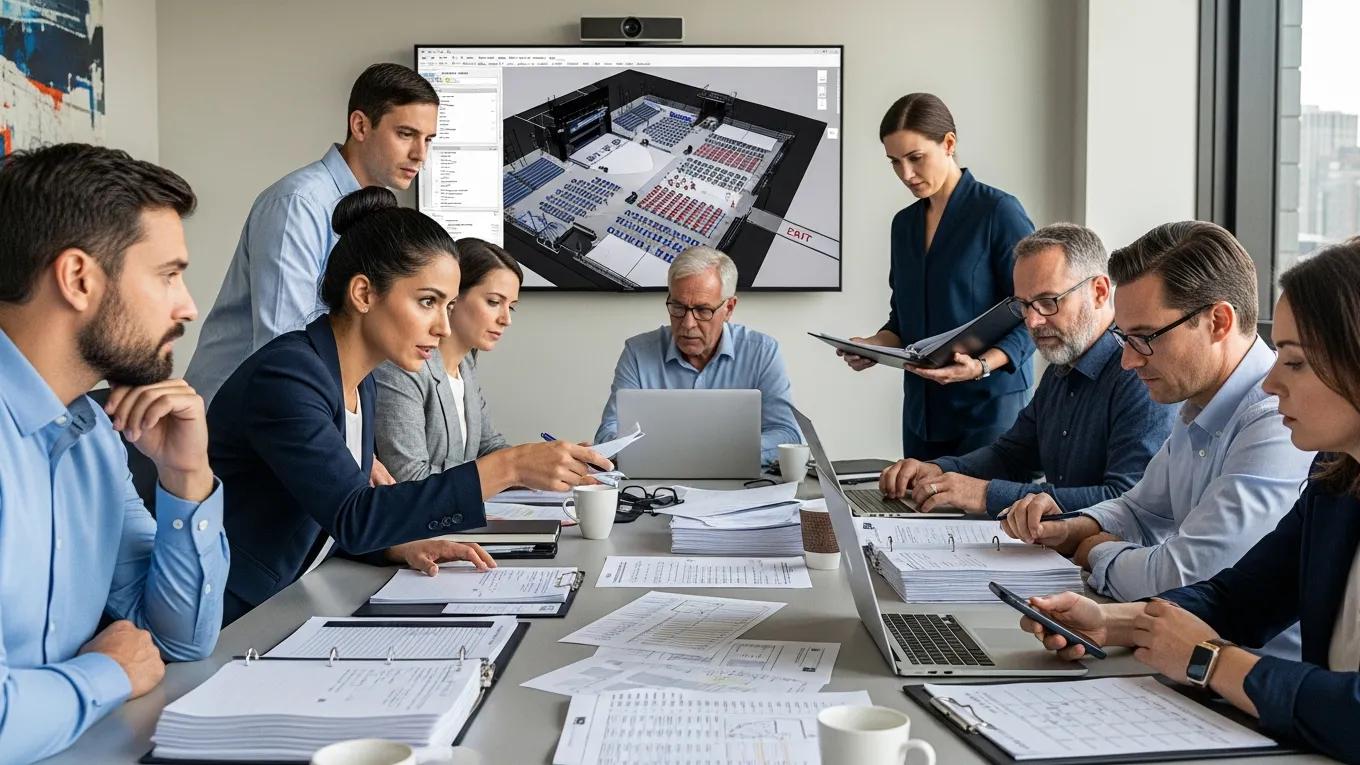
Conducting a security risk assessment is the first step in effective event security planning. This process involves identifying potential threats and vulnerabilities that could impact the safety of attendees and the success of the event. By systematically evaluating these risks, organizers can prioritize security measures that address the most significant concerns.
Identifying Potential Threats and Vulnerabilities in Event Settings
Event organizers must consider various types of threats, including physical violence, theft, and natural disasters. Understanding the venue’s history and crowd dynamics is crucial in identifying vulnerabilities. For instance, venues with a history of incidents may require more stringent security measures. Additionally, factors such as the expected crowd size and demographics can influence the level of risk. By analyzing these elements, organizers can better prepare for potential challenges.
Evaluating Risk Levels and Prioritizing Security Measures
Once potential threats are identified, the next step is to evaluate their risk levels. This involves assessing the likelihood of each threat occurring and the potential impact on the event. Organizers can use various risk assessment techniques, such as qualitative and quantitative methods, to determine which risks require immediate attention. Actionable recommendations for security measures should be developed based on this evaluation, ensuring that resources are allocated effectively to mitigate the highest risks.
UPM Security offers professional security services that can assist in conducting thorough risk assessments tailored to specific event needs. Their expertise ensures that all potential vulnerabilities are addressed, providing peace of mind for organizers.
What Are Essential Crowd Control Strategies for Event Safety?
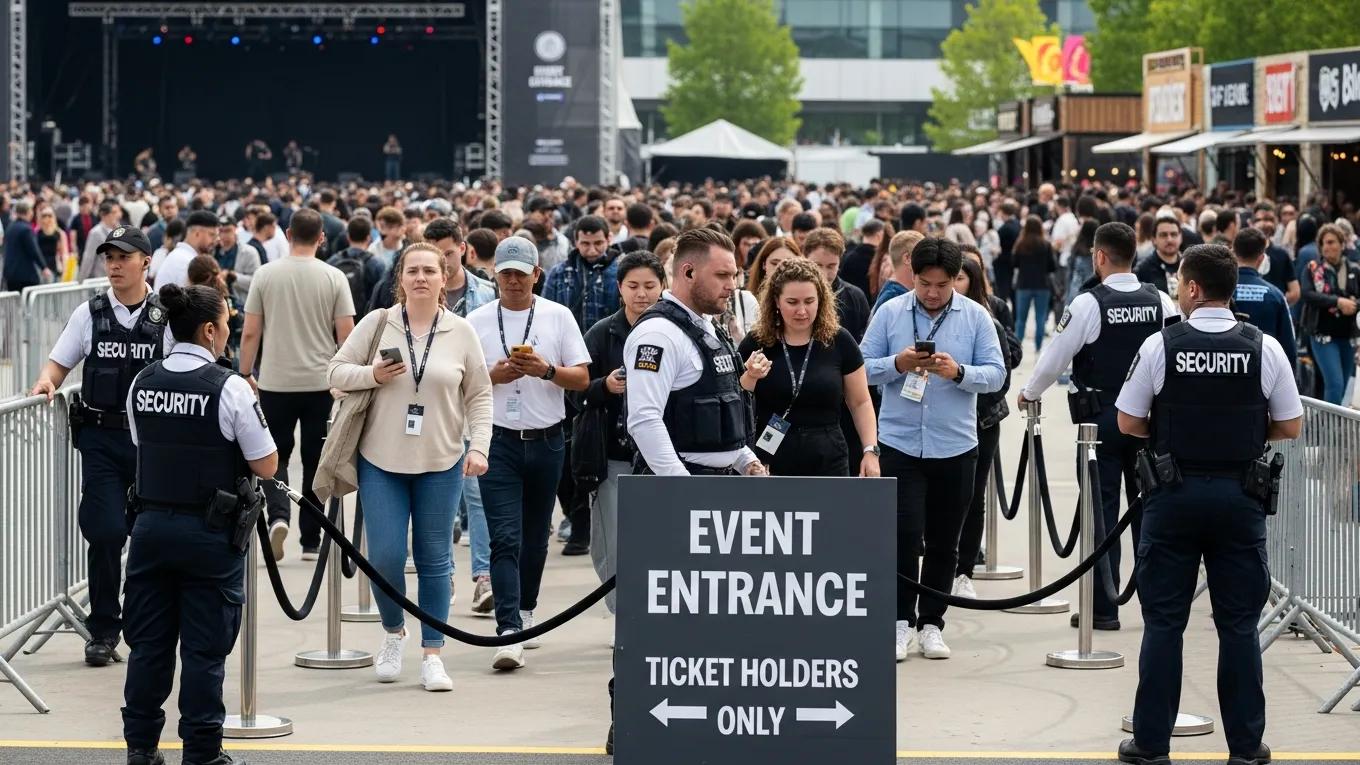
Effective crowd control is vital for maintaining safety and order during events. Implementing appropriate strategies can prevent overcrowding, manage attendee behavior, and ensure a smooth flow of movement throughout the venue.
Implementing Effective Crowd Management Techniques
Crowd management techniques include proactive monitoring, strategic layout planning, and clear signage. Organizers should establish designated entry and exit points to facilitate crowd flow and reduce bottlenecks. Additionally, employing trained personnel to monitor crowd dynamics can help identify potential issues before they escalate. De-escalation training for staff is also essential, enabling them to handle conflicts calmly and effectively.
Deploying Trained Security Personnel for Optimal Crowd Supervision
The deployment of trained security personnel is crucial for effective crowd supervision. Organizers should establish clear selection criteria for security staff, ensuring they possess the necessary skills and experience. Training requirements should cover emergency response protocols, communication strategies, and conflict resolution techniques. By having well-prepared personnel on-site, organizers can enhance overall safety and provide a reassuring presence for attendees.
UPM Security specializes in crowd control solutions, offering trained personnel who are adept at managing large gatherings and ensuring a safe environment for all participants.
How to Develop an Event Emergency Response Plan?
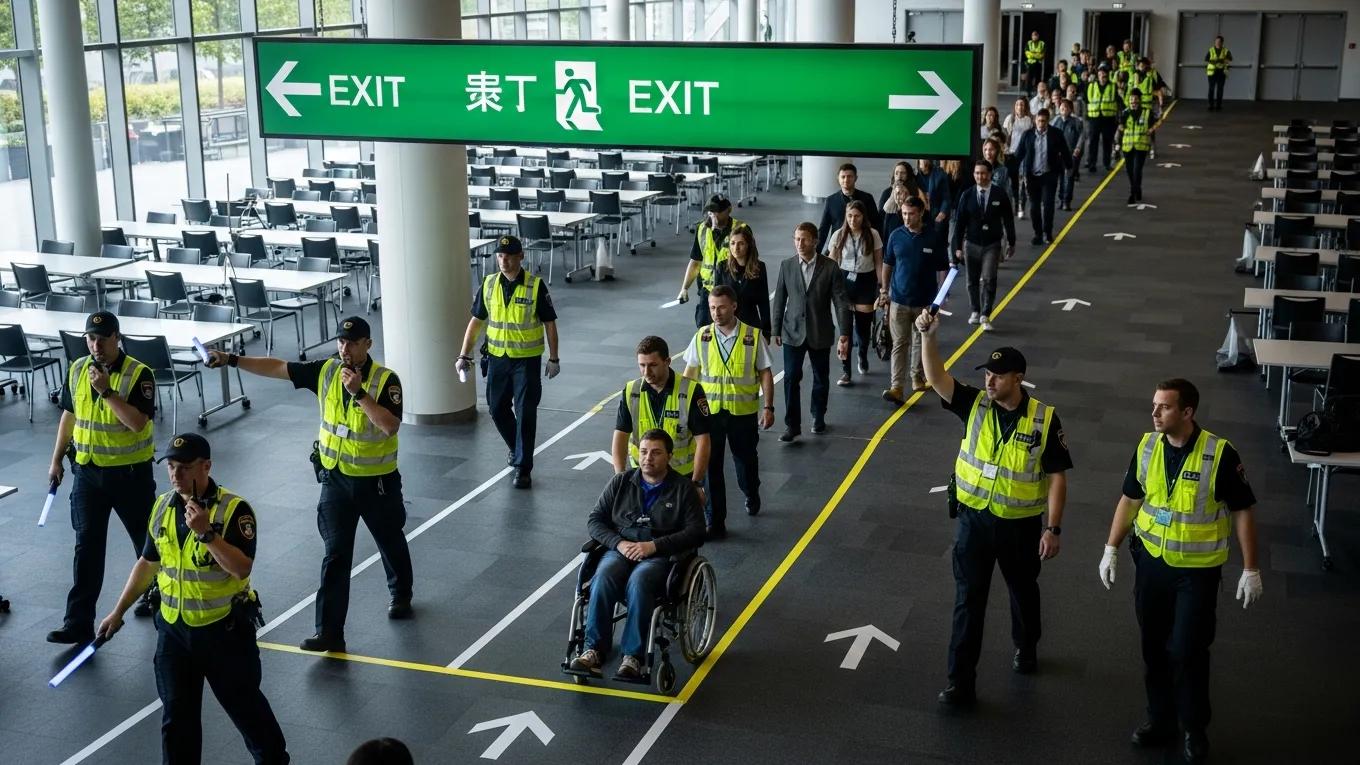
An emergency response plan is essential for addressing unforeseen incidents during an event. This plan outlines procedures for various scenarios, ensuring that staff and attendees know how to respond effectively.
Establishing Clear Evacuation Procedures and Communication Protocols
Developing clear evacuation procedures is a critical component of an emergency response plan. Organizers should create detailed evacuation routes and ensure that all staff are trained on these procedures. Implementing communication systems, such as two-way radios or public address systems, can facilitate quick dissemination of information during emergencies. Training staff on these protocols ensures that everyone is prepared to act swiftly and efficiently.
Coordinating with Emergency Services and On-Site Security Teams
Coordination with local emergency services is vital for effective emergency response. Organizers should establish communication protocols with these services before the event, ensuring that they are aware of the event’s layout and potential risks. On-site security teams should also be integrated into the emergency response plan, with clearly defined roles and responsibilities. This collaboration enhances the overall effectiveness of the response to any incidents that may arise.
UPM Security can assist in developing comprehensive emergency response plans, ensuring that all aspects of safety and communication are covered.
What Are Key Considerations for Professional Event Security Services?
When hiring professional security services, organizers must consider several key factors to ensure they select the right provider for their event.
Integrating VIP and High-Profile Protection Protocols
For events featuring VIPs or high-profile individuals, specific protection protocols must be integrated into the security plan. This includes conducting thorough risk assessments for these individuals and implementing tailored security measures. Coordination with local authorities may also be necessary to ensure comprehensive protection.
Utilizing Advanced Security Equipment and Technology Solutions
Incorporating advanced security equipment and technology can significantly enhance event safety. This includes surveillance systems, access control measures, and incident reporting tools. Organizers should evaluate the types of equipment that best suit their event’s needs and ensure that staff are trained in their use. By leveraging technology, organizers can improve their overall security posture and response capabilities.
UPM Security utilizes advanced security technology solutions to provide comprehensive protection for events, ensuring that all aspects of safety are addressed effectively.