Evacuation Planning for Venues and Large Sites
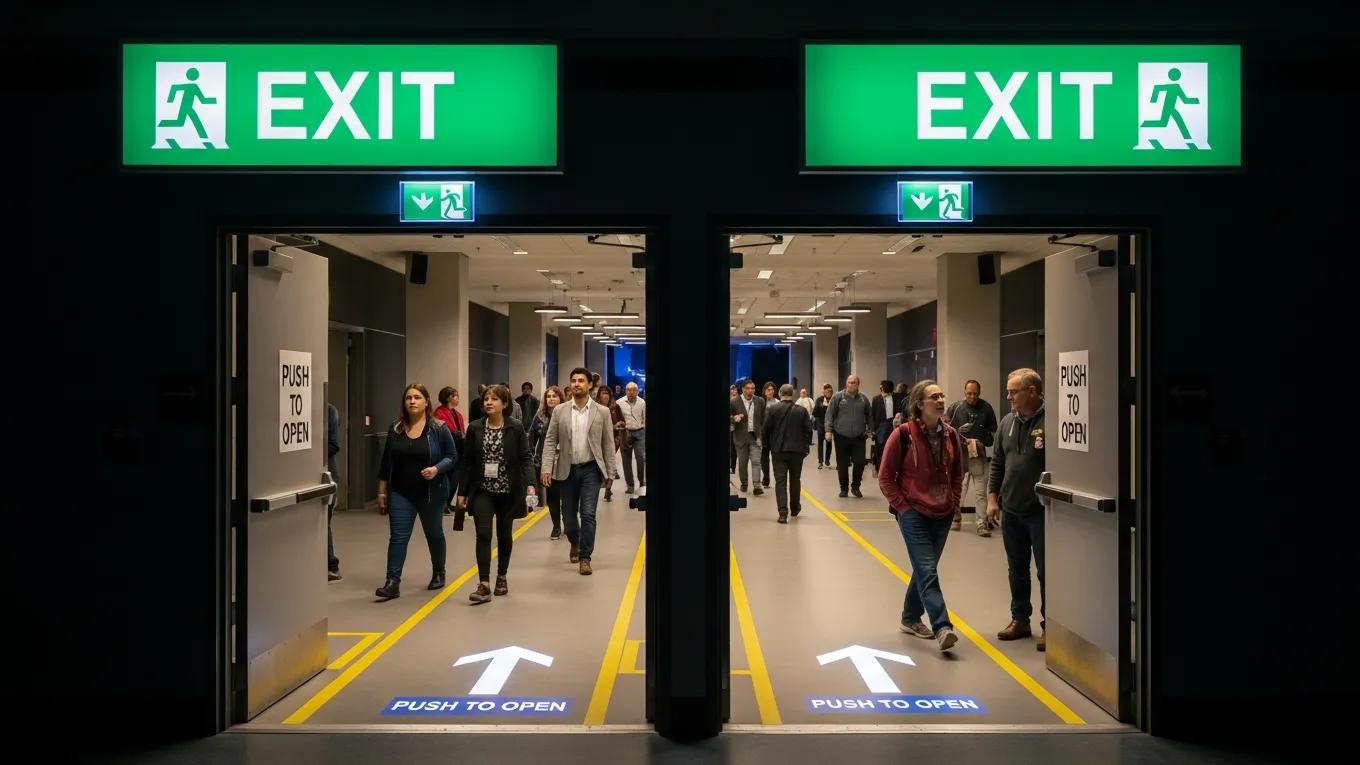
Comprehensive Emergency Evacuation Procedures for Venues and Large Sites: Ensuring Safety and Compliance
Effective evacuation planning is crucial for ensuring the safety of individuals in venues and large sites during emergencies. This article delves into the essential components of evacuation planning, highlighting the mechanisms that enhance safety and compliance. Readers will learn about the importance of emergency exits, egress route optimization, and the role of evacuation drills in crowd management. With the increasing complexity of events and gatherings, understanding these procedures is vital for minimizing risks and ensuring a swift response in emergencies. This guide will cover key aspects such as the design of emergency exits, the significance of egress routes, and best practices for conducting evacuation drills, while also integrating insights from UPM Security, a leader in evacuation planning services.
What Are the Essential Components of Effective Evacuation Planning?
Effective evacuation planning encompasses several critical components that ensure a swift and organized response during emergencies. These components include:
- Pre-event Planning and Risk Assessments: Identifying potential hazards and developing strategies to mitigate risks is essential for effective evacuation planning.
- Clear Chains of Command: Establishing a clear hierarchy and communication protocols ensures that everyone knows their roles during an emergency.
- Evacuation Procedures and Communication Protocols: Well-defined procedures and communication strategies facilitate a smooth evacuation process.
UPM Security specializes in comprehensive security services, including evacuation planning tailored to the specific needs of venues and large sites. Their expertise in designing emergency egress strategies ensures compliance with safety regulations and enhances overall safety.
How Do Emergency Exit Design and Fire Exit Compliance Enhance Safety?

The design of emergency exits and compliance with fire safety regulations are fundamental to ensuring the safety of occupants during an evacuation. Effective emergency exit design includes:
- Clear Evacuation Routes: Clearly marked and unobstructed paths lead individuals to safety, reducing confusion during emergencies.
- Capacity and Accessibility: Emergency exits must accommodate the maximum number of occupants and be accessible to individuals with disabilities.
- Regular Maintenance and Inspection: Routine checks ensure that emergency exits are functional and compliant with safety standards.
By adhering to these design principles, venues can significantly enhance safety and ensure a compliant evacuation process.
Why Is Egress Route Optimization Critical for Venue Safety Management?
Egress route optimization is vital for effective venue safety management. This process involves analyzing and improving the pathways that individuals take during an evacuation. Key benefits of optimizing egress routes include:
- Minimizing Evacuation Time: Efficient routes reduce the time it takes for individuals to exit the venue, which is crucial during emergencies.
- Preventing Bottlenecks: Well-planned egress routes help avoid congestion, ensuring a smooth flow of people towards safety.
- Enhancing Overall Safety: Optimized routes contribute to a safer environment by reducing panic and confusion during evacuations.
How Should Venues Conduct Evacuation Drills and Training for Crowd Control?

Conducting regular evacuation drills and training is essential for effective crowd control during emergencies. Best practices for these drills include:
- Pre-event Planning and Walkthroughs: Familiarizing staff and attendees with evacuation procedures before an event helps ensure everyone knows what to do in an emergency.
- Regular Drills and Scenario-based Training: Frequent drills simulate real-life scenarios, allowing individuals to practice their responses and improve their readiness.
- Multi-agency Coordination: Collaborating with local emergency services enhances the effectiveness of evacuation drills and ensures a coordinated response.
What Are the Best Practices for Evacuation Drill Procedures?
Implementing best practices for evacuation drills is crucial for ensuring preparedness. These practices include:
- Frequency of Drills: Conducting drills at least twice a year helps maintain awareness and readiness among staff and attendees.
- Post-incident Reviews: Analyzing the effectiveness of drills and identifying areas for improvement enhances future preparedness.
- Training Requirements for Staff: Ensuring that staff are trained in emergency procedures and crowd management techniques is essential for effective evacuations.
How Does Security Integration Improve Crowd Control Planning?
Integrating security measures into crowd control planning significantly enhances the effectiveness of evacuation procedures. Key aspects of this integration include:
- Multi-agency Coordination: Collaborating with local law enforcement and emergency services ensures a unified response during emergencies.
- Pre-event Planning: Security personnel can identify potential risks and develop strategies to mitigate them before events occur.
- Training and Drills: Regular training for security staff on evacuation procedures and crowd management techniques improves overall safety.
UPM Security’s expertise in security integration provides venues with tailored solutions that enhance crowd control and evacuation planning.
Which Regulations and Standards Govern Evacuation Planning for Large Sites?
Evacuation planning for large sites is governed by various regulations and standards that ensure safety and compliance. Key regulations include:
- Documentation and Compliance: Maintaining accurate records of evacuation plans and procedures is essential for compliance with safety regulations.
- Regular Reviews: Periodic assessments of evacuation plans ensure they remain effective and compliant with current regulations.
- Legal Compliance: Adhering to local, state, and federal regulations is crucial for ensuring the safety of occupants during emergencies.
What Fire Safety Regulations Must Emergency Exits Comply With?
Emergency exits must comply with specific fire safety regulations to ensure the safety of individuals during evacuations. Key compliance requirements include:
- Compliance with Fire Exit Regulations: Emergency exits must meet local fire codes and regulations to ensure they are safe and accessible.
- Capacity and Accessibility Requirements: Exits must accommodate the maximum number of occupants and be accessible to individuals with disabilities.
- Regular Maintenance and Inspection: Routine checks ensure that emergency exits are functional and compliant with safety standards.
How Are Risk Assessments Used to Mitigate Venue Safety Hazards?
Risk assessments play a crucial role in identifying and mitigating safety hazards in venues. These assessments involve:
- Comprehensive Risk Assessments: Evaluating potential hazards and vulnerabilities helps develop effective evacuation plans.
- Pre-event Planning: Conducting risk assessments before events allows for the identification of specific risks associated with each gathering.
- Emergency Action Plans: Developing clear action plans based on risk assessments ensures a swift and organized response during emergencies.
How Can Security Services Support Comprehensive Evacuation Planning?
Security services are integral to comprehensive evacuation planning, providing expertise and resources to enhance safety. Key contributions include:
- Pre-event Planning and Risk Assessments: Security professionals can identify potential hazards and develop strategies to mitigate risks before events.
- Crowd Management Expertise: Trained security personnel can effectively manage crowds during evacuations, ensuring a smooth and organized process.
- Emergency Response Protocols: Security services can implement protocols that enhance the overall safety and efficiency of evacuation procedures.
What Protective Solutions Does UPM Security Provide for High-Risk Venues?
UPM Security offers a range of protective solutions tailored to high-risk venues, including:
- Pre-event Planning and Risk Assessments: Comprehensive evaluations help identify potential hazards and develop effective strategies.
- Multi-agency Coordination: Collaborating with local emergency services ensures a unified response during emergencies.
- Medical Training for Personnel: Ensuring that security staff are trained in first aid and emergency response enhances overall safety.
How Does Personalized Security Assessment Enhance Emergency Preparedness?
Personalized security assessments are essential for enhancing emergency preparedness in venues. These assessments provide:
- Tailored Security Measures: Customized strategies address the unique needs and risks associated with each venue.
- Comprehensive Risk Assessments: In-depth evaluations identify potential hazards and vulnerabilities, allowing for effective planning.
- Proactive Strategies: Implementing proactive measures ensures that venues are prepared for emergencies before they occur.