Comprehensive Building and Property Security Programs
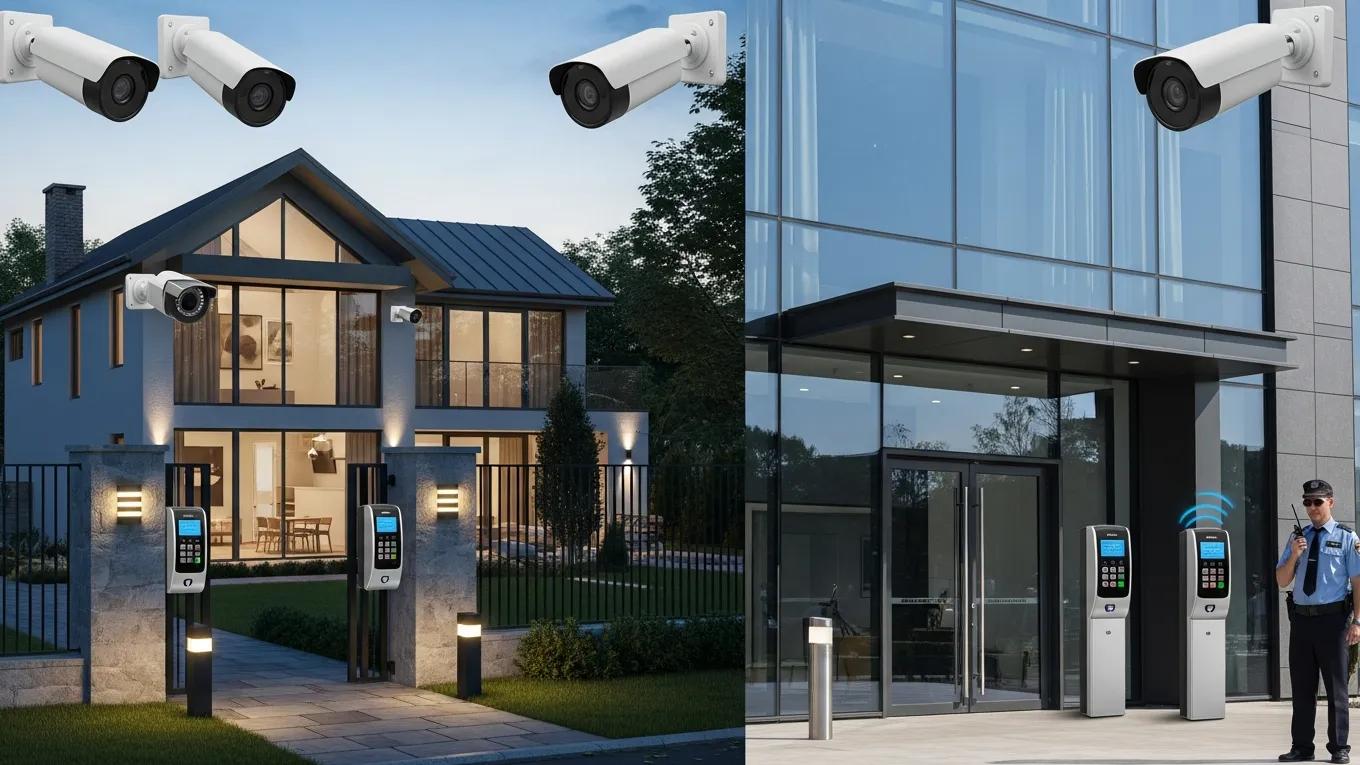
Comprehensive Building and Property Security Programs: Expert Solutions for Commercial and Residential Protection
In an era where safety and security are paramount, comprehensive building and property security programs have become essential for both commercial and residential properties. These programs are designed to protect assets, ensure the safety of occupants, and mitigate risks associated with potential threats. This article will delve into the key components of effective security programs, expert solutions tailored for various property types, and best practices for security management. Readers will gain insights into how these strategies can enhance safety and security, addressing common vulnerabilities faced by businesses and homeowners alike.
Key Components of Security Programs
Effective security programs are built on several foundational components that work together to create a robust defense against threats. These components include risk assessment, environmental design, and emergency response planning.
- Risk Assessment: This involves identifying potential threats and vulnerabilities within a property. A thorough risk assessment helps in understanding the specific security needs of a building, allowing for tailored solutions.
- Environmental Design: Utilizing principles of Crime Prevention Through Environmental Design (CPTED), this component focuses on modifying the physical environment to reduce opportunities for crime. This can include strategic landscaping, lighting, and building layout.
- Emergency Response Planning: A well-structured emergency response plan ensures that all occupants know how to react in case of an emergency, minimizing panic and confusion.
These components form the backbone of any effective security program, ensuring that properties are well-protected against various threats.
Further research emphasizes how environmental design principles, particularly CPTED, are crucial for crime risk reduction by modifying the built environment.
CPTED: Environmental Design for Crime Risk Reduction
design features of the built environment (such as a house, school, shopping mall or hospital), as well as the natural environment surrounding those buildings, impact upon crime risk, and how these features can be modified to reduce opportunities for crime and fear of crime.
Crime prevention through environmental design, R Armitage, 2016
Expert Solutions for Commercial and Residential Protection
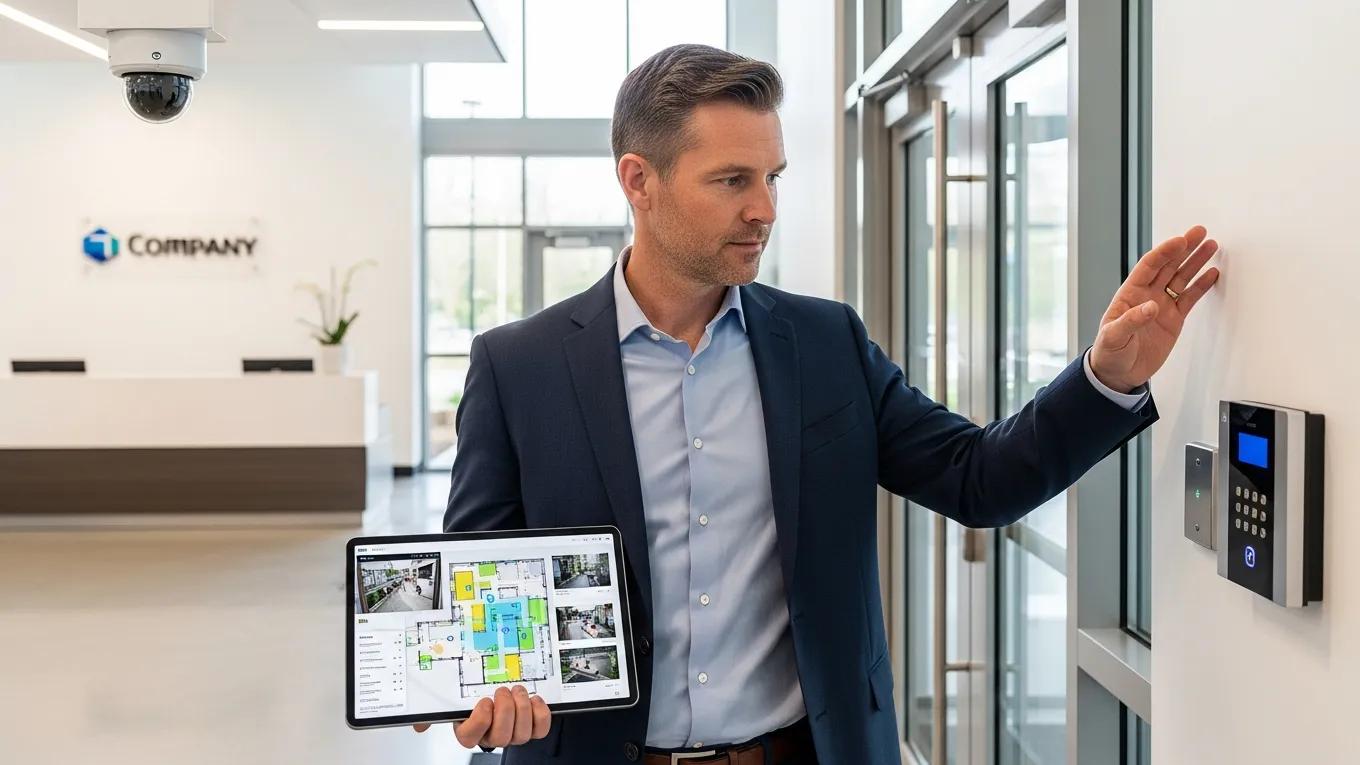
UPM Security specializes in delivering comprehensive building and property security programs tailored to meet the unique needs of commercial properties, office buildings, and high-value residential clients. Their primary service offerings include integrated security solutions such as on-site security personnel, access control systems, surveillance technologies, and risk assessment consultations.
- Residential Security: Tailored solutions for homes often include alarm systems, surveillance cameras, and neighborhood watch programs to enhance safety.
- Commercial Security: Businesses benefit from access control systems and on-site security personnel to protect assets and ensure a safe working environment.
- Disaster Security: Preparedness for natural disasters or emergencies is crucial, and UPM Security provides plans that include evacuation routes and emergency contact protocols.
These expert solutions are designed to address the diverse security needs of clients, ensuring peace of mind in both residential and commercial settings.
Key Strategies for Effective Security Management
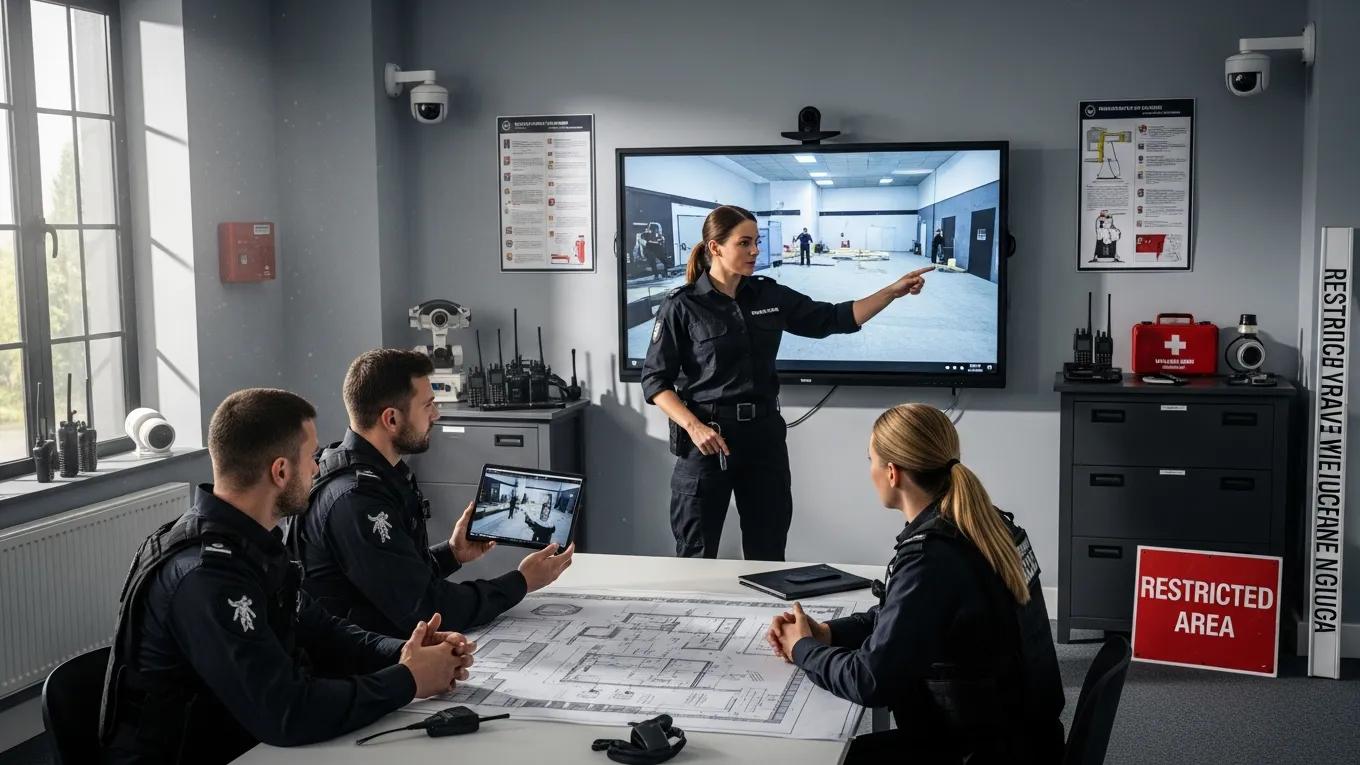
Implementing effective security management strategies is vital for maintaining a secure environment. These strategies include proactive security measures, regular audits and updates, and thorough documentation and compliance.
- Proactive Security Measures: Anticipating potential threats and implementing measures to prevent them is essential. This can involve regular training for security personnel and updating security technologies.
- Regular Audits and Updates: Conducting periodic reviews of security protocols ensures that they remain effective and relevant to current threats.
- Documentation and Compliance: Keeping detailed records of security incidents and compliance with legal requirements is crucial for accountability and improvement.
By focusing on these strategies, organizations can enhance their security management practices and better protect their assets.
Best Practices
Adopting best practices in security management can significantly improve the effectiveness of security programs. Key practices include hiring qualified personnel, implementing clear communication protocols, and utilizing technology wisely.
- Hire Qualified Personnel: Employing trained security professionals ensures that security measures are executed effectively and efficiently.
- Implement Clear Communication Protocols: Establishing clear lines of communication among security staff and with occupants can facilitate quick responses to incidents.
- Utilize Technology Wisely: Leveraging modern security technologies, such as surveillance systems and access control, can enhance overall security without overwhelming personnel.
These best practices contribute to a more secure environment, fostering trust and safety among occupants.
Compliance Requirements
Understanding and adhering to compliance requirements is essential for any security program. This includes mandatory security measures, regular reviews and updates, and professional assessments.
- Mandatory Security Measures: Certain regulations may dictate specific security measures that must be implemented, particularly in commercial settings.
- Regular Reviews and Updates: Compliance requires ongoing evaluation of security measures to ensure they meet current standards and regulations.
- Professional Assessments: Engaging with security professionals for assessments can provide valuable insights into compliance and effectiveness.
By prioritizing compliance, organizations can avoid legal issues and enhance their security posture.
How Do Security Personnel and Patrol Services Enhance Property Safety?
Security personnel and patrol services play a crucial role in enhancing property safety. Their presence acts as a deterrent to potential criminals and provides immediate response capabilities in case of incidents.
- Rapid Response: Trained security personnel can respond quickly to emergencies, minimizing potential damage or injury.
- Proactive Measures: Regular patrols can identify and address security vulnerabilities before they are exploited.
- Conflict De-escalation: Security personnel are trained to handle conflicts and de-escalate potentially dangerous situations, ensuring the safety of all occupants.
The integration of security personnel into a comprehensive security program significantly enhances overall safety.
What Role Do Access Control Systems Play in Office Building Security?
Access control systems are vital for maintaining security in office buildings. They regulate who can enter specific areas, ensuring that only authorized personnel have access.
- Prevention of Unauthorized Access: By controlling entry points, access control systems help prevent unauthorized individuals from entering sensitive areas.
- Real-Time Monitoring: Many systems offer real-time monitoring capabilities, allowing security teams to track who enters and exits the building.
- Protocol Enforcement: Access control systems can enforce security protocols, such as requiring identification for entry, which enhances overall security.
These systems are essential for protecting sensitive information and ensuring a secure working environment.
The development of advanced access control systems, such as hybrid approaches combining face recognition and PIN identification, further enhances building security.
Hybrid Access Control Systems for Secure Buildings
This paper describes hybrid access control system based on a new approach of face recognition and PIN (Personal Identification Number) code identification, which is done by finding the closest match between features implemented on the same databases. This approach involves two identification and matching subsystems. The outputs from these subsystems are combined to decide the final output that authorizes the access to the secure building for certain persons while denying the access for the others.
Implementation of an Efficient Access Control System for Secure Building, KA Zidan, 2008
How Are Integrated Security Systems For Buildings Implemented Effectively?
Implementing integrated security systems requires careful planning and execution. Key strategies include professional security assessment, phased implementation, and best practices for successful integration.
- Professional Security Assessment: Engaging security experts to assess the specific needs of a building ensures that the right systems are chosen and implemented.
- Phased Implementation: Gradually rolling out security systems allows for adjustments based on feedback and effectiveness.
- Best Practices for Successful Integration: Following industry best practices during implementation can enhance the effectiveness of integrated systems.
These strategies ensure that security systems work together seamlessly to provide comprehensive protection.
Defining integrated security systems, experts highlight their role as cohesive, single systems designed with a master plan and clear security policies.
Integrated Security Systems for Comprehensive Protection
integrated security systems concepts in depth. Enterprise integrated security systems are those security systems that are designed, installed, and maintained as a single, cohesive system, often incorporating a master plan, and security policies and procedures.
Integrated security systems design: concepts, specifications, and implementation, 2011
How Does Security Risk Assessment and Consulting Mitigate Threats to Properties?
Security risk assessment and consulting are critical for identifying and mitigating threats to properties. This process involves assessment methodologies, consulting strategies, and examples of effective threat mitigation.
- Assessment Methodologies: Various methodologies can be employed to evaluate security risks, including vulnerability assessments and threat analysis.
- Consulting Strategies: Security consultants can provide tailored recommendations based on the specific needs and vulnerabilities of a property.
- Examples of Effective Threat Mitigation: Case studies of successful threat mitigation can provide valuable insights into best practices and effective strategies.
By prioritizing risk assessment, organizations can proactively address potential threats and enhance their security measures.
What Processes Identify Vulnerabilities in Commercial and Residential Buildings?
Identifying vulnerabilities in buildings is essential for effective security management. Key processes include professional security assessments, environmental design assessments, and regular reviews and updates.
- Professional Security Assessment: Engaging security professionals to conduct thorough assessments can uncover hidden vulnerabilities.
- Environmental Design Assessments: Evaluating the physical environment for potential security weaknesses can lead to effective modifications.
- Regular Reviews and Updates: Ongoing evaluations of security measures ensure that vulnerabilities are addressed promptly.
These processes are vital for maintaining a secure environment in both commercial and residential settings.
How Do Customized Security Plans Address Client-Specific Risks?
Customized security plans are essential for addressing the unique risks faced by different clients. Key components include detailed threat assessments, environmental design assessments, and customized protocol development.
- Detailed Threat Assessment: Understanding the specific threats faced by a client allows for tailored security solutions.
- Environmental Design Assessment: Evaluating the physical environment helps identify potential vulnerabilities that can be addressed in the security plan.
- Customized Protocol Development: Developing specific protocols based on the client’s needs ensures that security measures are effective and relevant.
These customized plans provide targeted solutions that enhance security for clients.
What Are the Best Practices for Corporate Security Management and Client Engagement?
Effective corporate security management involves best practices that enhance security and foster client engagement. Key practices include tailored security programs, proactive threat assessment, and training and expertise.
- Tailored Security Programs: Customizing security programs to meet the specific needs of clients ensures that they are effective and relevant.
- Proactive Threat Assessment: Regularly assessing potential threats allows organizations to stay ahead of security challenges.
- Training and Expertise: Investing in training for security personnel enhances their effectiveness and ensures they are equipped to handle various situations.
By implementing these best practices, organizations can improve their security management and client relationships.
How Do Tailored Security Programs Meet Diverse Client Needs?
Tailored security programs are designed to meet the diverse needs of clients, ensuring that their specific risks are addressed. Key components include detailed threat assessments, environmental design assessments, and customized protocol development.
- Detailed Threat Assessment: Understanding the unique threats faced by each client allows for the development of effective security measures.
- Environmental Design Assessment: Evaluating the physical environment helps identify vulnerabilities that can be addressed in the security plan.
- Customized Protocol Development: Creating specific protocols based on client needs ensures that security measures are relevant and effective.
These tailored programs provide comprehensive solutions that enhance security for a variety of clients.
Why Is Proactive Threat Mitigation Critical in Security Management?
Proactive threat mitigation is essential for effective security management. Key reasons include the reduction of incident probability, legal and financial protection, and emergency preparedness.
- Reduction of Incident Probability: By anticipating potential threats and implementing preventive measures, organizations can significantly reduce the likelihood of security incidents.
- Legal and Financial Protection: Proactive measures can help organizations avoid legal issues and financial losses associated with security breaches.
- Emergency Preparedness: Being prepared for potential emergencies ensures that organizations can respond effectively and minimize damage.
By prioritizing proactive threat mitigation, organizations can enhance their overall security posture and protect their assets.