Business Continuity Planning for Security Teams

Comprehensive Business Continuity Planning for Security Teams: Ensuring Operational Resilience and Crisis Preparedness
Business continuity planning is essential for security teams to maintain operational resilience during crises. This process involves preparing for potential disruptions and ensuring that security measures are in place to protect assets and personnel. In this article, we will explore effective strategies, best practices, and essential components of a security continuity plan. Readers will learn how to assess risks, implement emergency response protocols, and prepare for disaster recovery, ultimately enhancing their organization’s resilience.
The importance of a robust business continuity plan cannot be overstated, as it equips security teams to respond effectively to emergencies. We will delve into various strategies for operational resilience, outline best practices, and identify key components necessary for an effective security continuity plan.
Strategies for Operational Resilience

Operational resilience refers to the ability of an organization to adapt and respond to unexpected disruptions. Security teams can enhance their operational resilience through several strategies:
- Comprehensive Risk Assessment: Identifying potential threats and vulnerabilities is crucial for developing effective security measures.
- Emergency Response Team Establishment: Forming dedicated teams ensures a swift and organized response during crises.
- Continuous Monitoring Systems: Implementing real-time monitoring helps detect and respond to incidents promptly.
These strategies form the foundation of a resilient security framework, enabling teams to navigate challenges effectively.
Best Practices
Implementing best practices in business continuity planning is vital for security teams. These practices include:
- Clear Communication Protocols: Establishing effective communication channels ensures that all team members are informed and coordinated during emergencies.
- Access Control Measures: Implementing strict access controls protects sensitive areas and information from unauthorized access.
- Emergency Action Plans: Developing detailed action plans provides a roadmap for responding to various emergency scenarios.
By adhering to these best practices, security teams can significantly improve their preparedness and response capabilities.
Essential Components of an Effective Security Continuity Plan
A robust security continuity plan comprises several essential components that work together to ensure effective crisis management. Key components include:
- Proactive Threat Assessment: Regularly evaluating potential threats helps organizations stay ahead of risks.
- Medical and Emergency Response Training: Training staff in emergency response procedures enhances their ability to act decisively during crises.
- Regular Updates and Reassessments: Continuously updating the plan ensures it remains relevant and effective in addressing emerging threats.
How Does Risk Assessment Inform Security Continuity Strategies?
Risk assessment is a critical process that informs the development of security continuity strategies. By conducting thorough site assessments and analyzing crime statistics, security teams can identify vulnerabilities and prioritize their response efforts. Scenario-based training further enhances preparedness by simulating potential incidents, allowing teams to practice their responses in a controlled environment. This proactive approach ensures that security measures are tailored to the specific risks faced by the organization.
Which Emergency Response Protocols Are Critical for Security Teams?
Emergency response protocols are vital for ensuring a coordinated and effective response during crises. Key protocols include:
- Coordination with Local Authorities: Establishing relationships with local law enforcement and emergency services facilitates a unified response.
- Real-Time Monitoring: Utilizing technology to monitor incidents in real-time allows for swift decision-making and resource allocation.
- Incident Command Structure: Implementing a clear command structure ensures that roles and responsibilities are well-defined during emergencies.
These protocols enable security teams to respond effectively and minimize the impact of incidents.
The importance of structured management models, such as the Incident Command System, for effective emergency response is further highlighted by recent research.
Security Management Models for Emergency Response
The purpose of this paper is to emphasize the importance of application of the appropriate model for security management in contemporary security emergencies. Given the complex nature of security situations and the involvement of multiple security actors i.e. institutions in their management, it is essential to deliver an effective outcome and minimize consequences and further escalation. In the direction of descriptive elaboration, the models of the incident command system and the incident command system of the next generation, which is the officially adopted crisis management mechanism in the Republic of North Macedonia, are briefly defined and presented. With their organizational hierarchy characteristics for human and material resources designation, they counterpoise a common platform for real-time data sharing and situational awareness.
SECURITY MANAGEMENT THROUGH THE (NEXT GENERATION) INCIDENT COMMAND SYSTEM MODEL, D Jovičić, 2024
How Do Security Teams Prepare for Disaster Recovery and Crisis Management?
Preparing for disaster recovery involves several key strategies:
- Emergency Response Teams: Forming specialized teams ensures that trained personnel are available to respond to crises.
- Access Control Measures: Implementing robust access controls protects critical infrastructure during emergencies.
- Continuous Monitoring: Utilizing surveillance and monitoring systems helps detect incidents early and facilitates rapid response.
By focusing on these preparation strategies, security teams can enhance their ability to recover from disasters and manage crises effectively.
What Training Programs Enhance Security Team Preparedness?
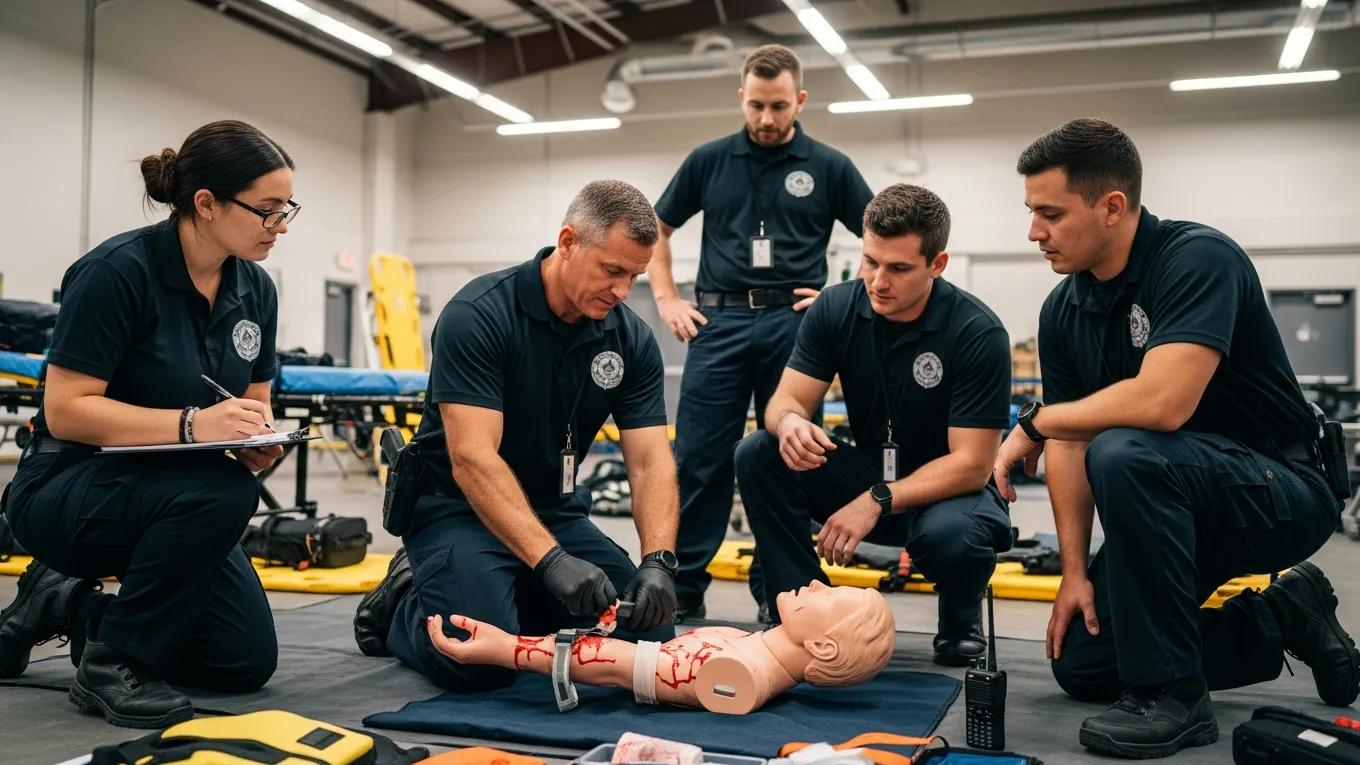
Training programs play a crucial role in enhancing the preparedness of security teams. Effective training programs include:
- Emergency Medical Response Training: Equipping team members with medical response skills ensures they can provide immediate assistance during emergencies.
- De-escalation Training: Teaching techniques for de-escalating potentially volatile situations helps prevent conflicts from escalating.
- Crowd Management Expertise: Training in crowd management techniques prepares teams to handle large gatherings safely and effectively.
These training programs empower security personnel to respond confidently and competently in various situations.
How Are Incident Response Procedures Integrated into Continuity Plans?
Integrating incident response procedures into continuity plans is essential for effective crisis management. This integration involves:
- Comprehensive Emergency Action Plans: Developing detailed plans that outline specific actions to take during various incidents ensures a coordinated response.
- Training and Drills: Regularly conducting training sessions and drills reinforces the procedures and helps identify areas for improvement.
- Post-Incident Documentation: Documenting incidents and responses provides valuable insights for refining future plans and training.
This integration ensures that security teams are well-prepared to handle emergencies effectively.
What Protective Solutions Support Security Operations Continuity?
Protective solutions are critical for maintaining security operations during crises. Key solutions include:
- Emergency Response Security Teams: Deploying specialized teams ensures a rapid and effective response to incidents.
- Access Control Systems: Implementing advanced access control measures protects sensitive areas and information.
- Continuous Monitoring: Utilizing surveillance technology enhances situational awareness and facilitates timely responses.
These protective solutions are essential for ensuring the continuity of security operations during emergencies.
Which Technologies and Services Enhance Disaster Recovery Security?
Several technologies and services can significantly enhance disaster recovery security. These include:
- Communication Tools: Utilizing advanced communication systems ensures that teams can coordinate effectively during crises.
- Surveillance Technology: Implementing state-of-the-art surveillance systems enhances situational awareness and incident detection.
- Emergency Equipment: Ensuring access to necessary emergency equipment, such as first aid kits and fire extinguishers, is crucial for effective response.
By leveraging these technologies and services, security teams can improve their disaster recovery capabilities.
How Does Client Consultation Tailor Protective Security Measures?
Client consultation is a vital process that helps tailor protective security measures to specific needs. This process involves:
- Personalized Security Assessments: Conducting thorough assessments allows security teams to understand the unique risks faced by clients.
- Tailored Continuity Plans: Developing customized plans ensures that security measures align with the client’s operational requirements.
- Expert Consultation Services: Providing expert advice helps clients make informed decisions about their security strategies.
This tailored approach enhances the effectiveness of security measures and ensures that clients receive the support they need.
How Can Businesses Measure the Effectiveness of Their Security Continuity Planning?
Measuring the effectiveness of security continuity planning is essential for continuous improvement. Key methods include:
- Data Analysis: Analyzing incident data helps identify trends and areas for improvement in security measures.
- Benchmarking: Comparing performance against industry standards provides insights into the effectiveness of security strategies.
- Post-Incident Reviews: Conducting reviews after incidents allows teams to assess their responses and refine their plans.
These methods enable businesses to evaluate and enhance their security continuity planning effectively.
What Key Performance Indicators Monitor Security Plan Success?
Monitoring key performance indicators (KPIs) is crucial for assessing the success of security plans. Important KPIs include:
- Incident Documentation: Tracking the number and types of incidents provides insights into security effectiveness.
- Training Effectiveness: Evaluating the outcomes of training programs helps ensure that personnel are adequately prepared.
- Feedback Mechanisms: Gathering feedback from team members and clients helps identify areas for improvement.
By monitoring these KPIs, organizations can ensure their security plans remain effective and responsive to changing needs.
How Do Recent Security Incident Statistics Inform Plan Improvements?
Recent security incident statistics provide valuable insights for improving security plans. Analyzing these statistics helps organizations:
- Identify Emerging Threats: Understanding trends in security incidents allows teams to adapt their strategies accordingly.
- Conduct Regular Risk Assessments: Frequent assessments ensure that security measures remain relevant and effective.
- Implement Continuous Improvement: Using data to inform decision-making fosters a culture of continuous improvement within security teams.
By leveraging recent statistics, organizations can enhance their security continuity planning and better prepare for future challenges.