Armed vs. Unarmed Security: Which Is Right for You?
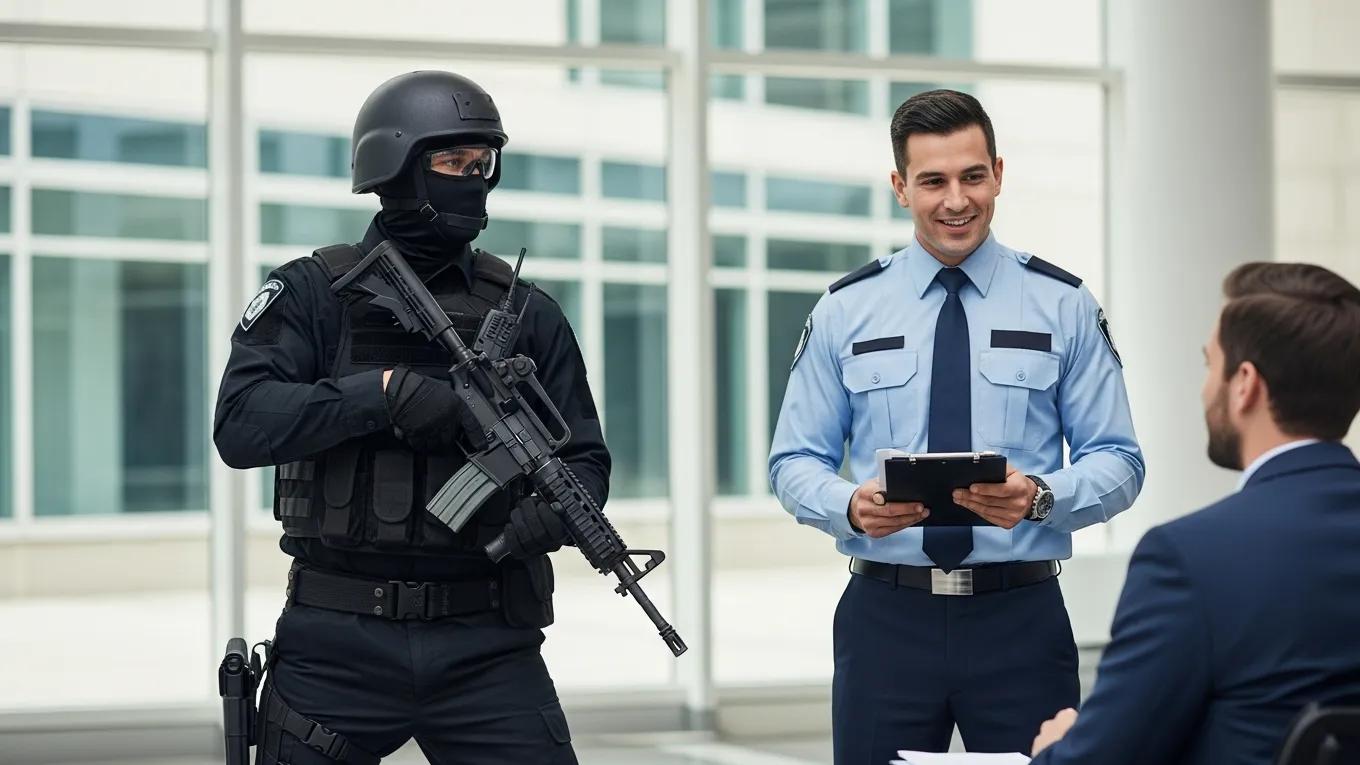
Armed vs. Unarmed Security: Comprehensive Guide to Choosing the Right Security Services for Your Business
Choosing the right security service is crucial for any business, as it directly impacts safety and operational efficiency. This guide delves into the differences between armed and unarmed security services, helping you make an informed decision based on your specific needs. Understanding the nuances of armed versus unarmed security can significantly influence your business’s safety strategy. Many organizations grapple with the challenge of selecting the appropriate level of security, weighing factors such as cost, effectiveness, and legal considerations. This article will explore essential factors to consider, including cost comparisons, effectiveness, legal implications, and specific security needs, while also highlighting how UPM Security can assist in tailoring solutions to meet your unique requirements.
To choose between armed and unarmed security services for a business, consider the following factors:
When deciding between armed and unarmed security services, several critical factors come into play. These include cost, effectiveness, legal considerations, specific security needs, return on investment (ROI), provider selection, training and experience, and customization and communication. Each of these elements plays a vital role in determining the best security solution for your business.
Cost
Cost is often a primary consideration when selecting security services. Armed security typically incurs higher costs due to the need for specialized training, licensing, and insurance. Unarmed security services, on the other hand, generally have lower operational costs. Businesses should evaluate their budget and the potential financial implications of security incidents when making this decision.
Effectiveness
The effectiveness of security services can vary significantly between armed and unarmed personnel. Armed security can serve as a visible deterrent to potential threats, while unarmed security may be more effective in environments where a non-threatening presence is preferred. Understanding the specific context of your business will help determine which type of security is more suitable.
Legal Considerations
Legal implications are crucial when choosing between armed and unarmed security. Armed security personnel must comply with strict licensing and regulatory requirements, which can vary by state or region. Unarmed security, while generally less regulated, still requires adherence to specific laws regarding the use of force and liability. Businesses must ensure they understand these legal frameworks to avoid potential liabilities.
Specific Security Needs
Identifying your business’s specific security needs is essential in making the right choice. High-risk environments, such as financial institutions or corporate facilities, may necessitate armed security services. Conversely, lower-risk settings, such as residential areas or events, might benefit more from unarmed security personnel. Assessing the unique risks associated with your environment will guide your decision.
Return on Investment (ROI)
Evaluating the ROI of security services is vital for businesses. The cost of armed security may be justified by the potential reduction in losses from theft or violence. Conversely, unarmed security can provide a cost-effective solution while still ensuring safety. Businesses should analyze the financial impacts of security incidents and how each type of service aligns with their overall security strategy.
Provider Selection
Choosing the right security provider is critical to the success of your security strategy. Factors to consider include the provider’s reputation, experience, and the quality of their personnel. Requesting proposals and checking performance history can help ensure you select a provider that meets your specific needs.
Training and Experience
The training and experience of security personnel can significantly impact their effectiveness. Armed security guards typically undergo extensive training, including firearms training and crisis management. Unarmed guards may have basic training but should still possess skills in conflict resolution and customer service. Understanding the training protocols of potential providers is essential for ensuring quality service.
Customization and Communication
Effective security solutions often require customization to meet the unique needs of a business. This includes tailoring security protocols and communication standards. A good security provider will work closely with you to develop a plan that addresses your specific concerns and ensures clear communication during incidents.
What Are the Key Differences Between Armed and Unarmed Security Guards?
Armed and unarmed security guards serve distinct roles within the security landscape, each with unique responsibilities and training requirements. Understanding these differences is crucial for businesses when selecting the appropriate type of security personnel.
How Do Training and Licensing Requirements Vary Between Armed and Unarmed Guards?
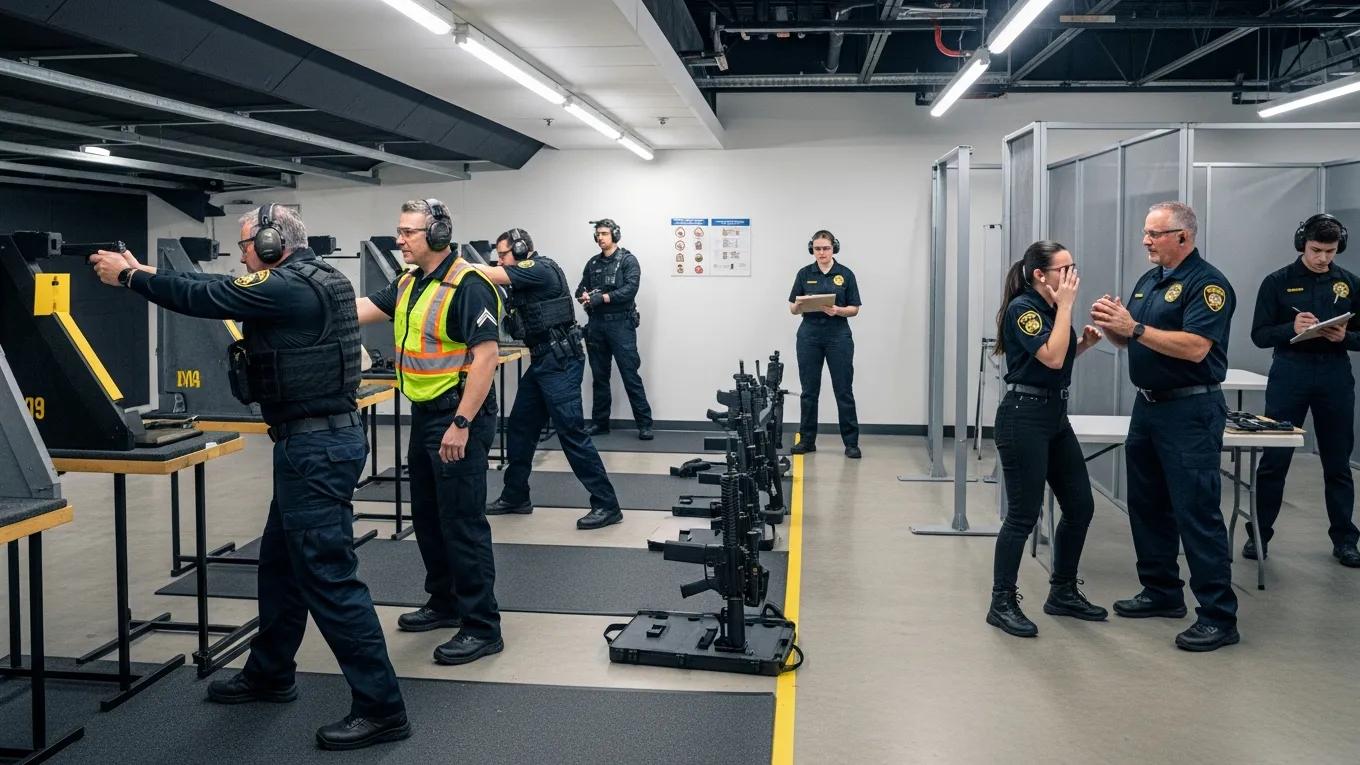
Armed security guards must complete extensive training and obtain specific licenses to carry firearms. This training often includes firearms safety, legal regulations, and conflict resolution. In contrast, unarmed guards typically require less training, focusing on basic security protocols and customer service skills. This difference in training can influence the effectiveness of each type of guard in various situations.
What Protective Equipment and Responsibilities Distinguish Armed from Unarmed Security?
Armed security guards are equipped with firearms and other defensive tools, which allows them to respond to threats with a higher level of force. Their responsibilities often include detaining suspects and managing high-risk situations. Unarmed security guards, however, focus on monitoring premises, providing customer service, and de-escalating conflicts without the use of weapons. This distinction is essential for businesses to consider based on their security needs.
Which Security Guard Type Best Fits Specific Client Needs and Environments?
Selecting the right type of security guard depends on the specific needs and environment of the client. Different scenarios may call for armed or unarmed personnel based on the level of risk involved.
When Should Businesses Opt for Armed Security Services?
Businesses in high-risk environments, such as banks, jewelry stores, or corporate facilities, should consider armed security services. The presence of armed guards can deter criminal activity and provide a rapid response to threats. Additionally, industries that handle large amounts of cash or valuable assets may find armed security essential for protecting their interests.
What Are the Advantages of Unarmed Security for Residential and Event Settings?
Unarmed security is often more suitable for residential areas and events where a non-threatening presence is preferred. These guards can provide safety while maintaining a welcoming atmosphere. Their focus on customer service can enhance the overall experience for residents and event attendees, making them an ideal choice for these environments.
How Do Costs and Compliance Impact the Choice Between Armed and Unarmed Security?
The financial implications and regulatory compliance requirements play a significant role in the decision-making process for businesses considering armed versus unarmed security.
What Are the Typical Cost Differences Between Armed and Unarmed Security Services?
Armed security services generally come with higher costs due to the need for specialized training, licensing, and insurance. Unarmed security services, while typically less expensive, still require investment in training and operational costs. Businesses should carefully evaluate their budget and the potential return on investment when making this decision.
How Do Licensing and Regulatory Standards Affect Security Guard Deployment?
Licensing and regulatory standards can significantly impact the deployment of security guards. Armed guards must adhere to strict regulations regarding firearms use, which can vary by location. Unarmed guards, while less regulated, still need to comply with laws regarding the use of force and liability. Understanding these standards is crucial for businesses to ensure compliance and mitigate risks.
How Does UPM Security Customize Armed and Unarmed Security Solutions to Meet Client Requirements?
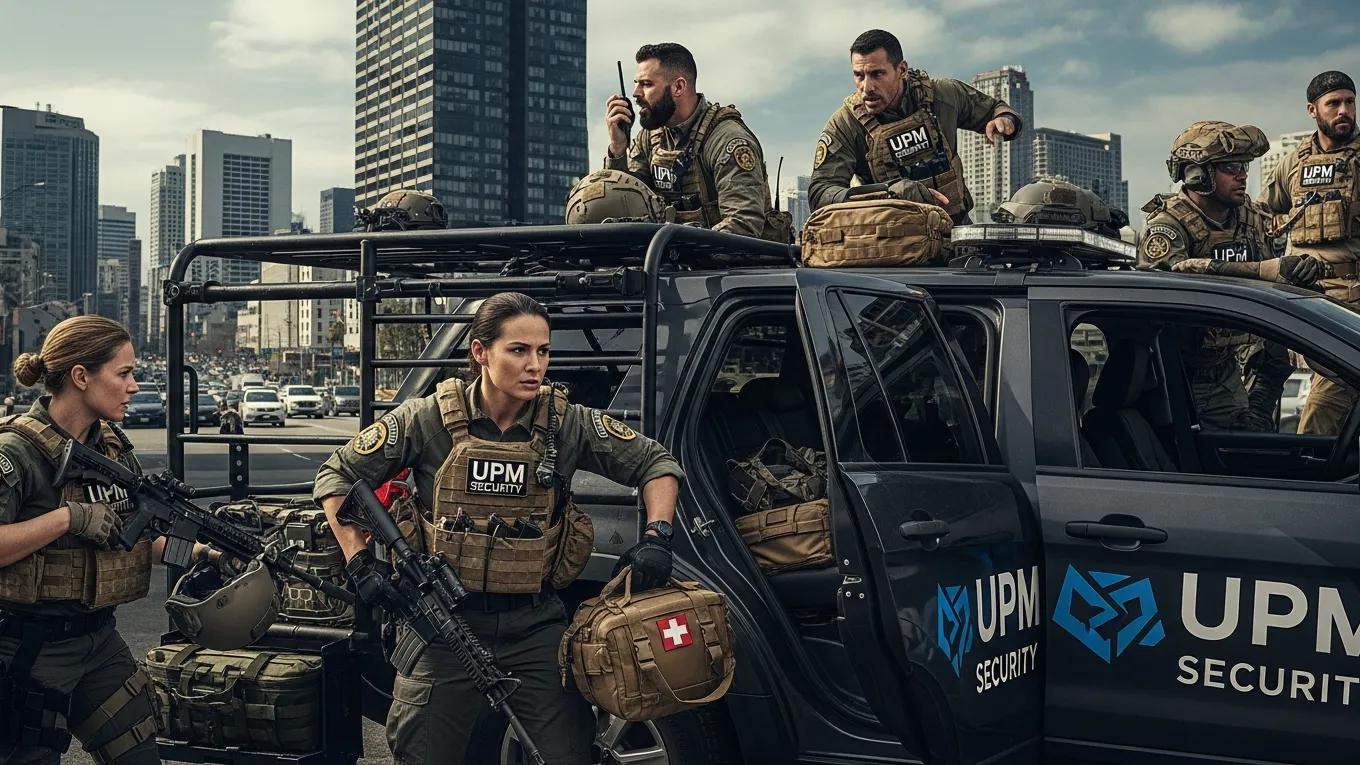
UPM Security specializes in providing tailored security solutions that address the unique needs of each client. Their approach involves a thorough assessment of security requirements and the development of customized plans.
What Consultation Processes Does UPM Security Use to Assess Security Needs?
UPM Security employs a comprehensive consultation process to evaluate client security needs. This includes initial consultations, site assessments, and risk evaluations to determine the most effective security solutions. By understanding the specific challenges faced by clients, UPM Security can develop targeted strategies that enhance safety and security.
How Are Protective Solutions Tailored for Corporate, Residential, and Event Clients?
UPM Security customizes protective solutions based on the unique requirements of corporate, residential, and event clients. This includes adapting security protocols, personnel training, and communication strategies to ensure optimal safety. By focusing on the specific needs of each client type, UPM Security delivers effective and efficient security services that meet diverse demands.
For businesses seeking expert advice on security services, UPM Security offers personalized consultations to help determine the best fit for your needs.