Armed vs Unarmed Executive Protection: Which Is Best?
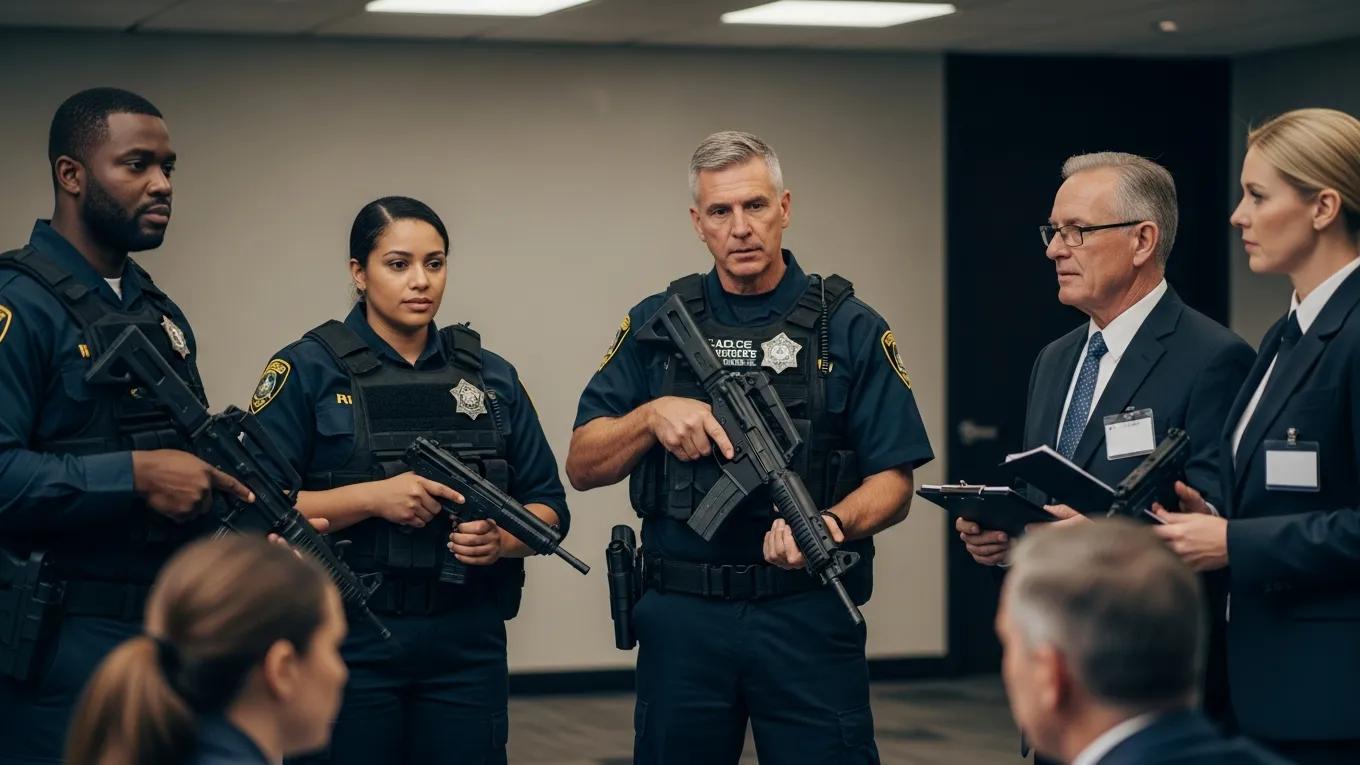
Armed vs Unarmed Executive Protection Services: Determining the Best Personal Security Detail for Your Needs
In today’s world, personal security has become a paramount concern for many individuals and organizations. This article delves into the critical comparison between armed and unarmed executive protection services, helping you understand which option best suits your needs. By exploring the definitions, benefits, and situational appropriateness of both armed and unarmed protection, readers will gain valuable insights into making informed decisions regarding their security strategies. The discussion will cover key factors influencing the choice, including risk assessment, legal considerations, and cost implications. Ultimately, this guide aims to equip you with the knowledge necessary to select the most effective personal security detail for your unique circumstances.
To fully grasp the scope of these services, it’s important to understand the fundamental definition of executive protection itself.
Defining Executive Protection Services & Professionalism
Executive protection is the protection of a human asset against harassment, injury, death, and embarrassment. Executive protection is a specific and unique area of the security industry. It is primarily responsible for safeguarding a person against harassment, injury, death, and even embarrassment. Executive protection is also a highly sensitive security assignment that not only requires the executive protection professional to ensure the safety and security of the executive but to maintain strict confidentiality and professionalism (June, 2008).
Executive Protection, 2021
Armed vs. Unarmed Executive Protection
Armed and unarmed executive protection services serve distinct purposes in safeguarding individuals. Armed executive protection involves security personnel carrying firearms, providing a visible deterrent against potential threats. This approach is often preferred in high-risk environments where the likelihood of violence is elevated. Conversely, unarmed executive protection focuses on risk mitigation through strategic planning and situational awareness without the use of weapons. Understanding the nuances of each option is essential for clients to determine the most suitable protection strategy based on their specific needs and circumstances.
Armed Executive Protection
Armed executive protection offers several advantages, particularly in high-risk situations. The presence of armed security personnel can deter potential threats and provide immediate response capabilities in emergencies. Additionally, armed protection can enhance the overall safety of clients by addressing potential violent encounters proactively. However, there are also disadvantages to consider, such as the potential for escalation in confrontational situations and the legal implications of carrying firearms. Cost implications are another factor, as armed protection services typically require more extensive training and licensing for personnel.
UPM Security specializes in providing comprehensive armed executive protection services tailored to clients requiring high-level personal security. Their offerings are designed to meet the diverse needs of businesses, event organizers, public figures, and high-net-worth families primarily in Florida.
What Are the Key Differences Between Armed and Unarmed Executive Protection?
The primary differences between armed and unarmed executive protection lie in the level of risk addressed and the methods employed. Armed protection is suited for environments with a higher likelihood of violence, while unarmed protection is effective in lower-risk situations. Clients must assess their specific circumstances to determine which option aligns with their security needs.
How Do Armed Security Guards Enhance Executive Protection?
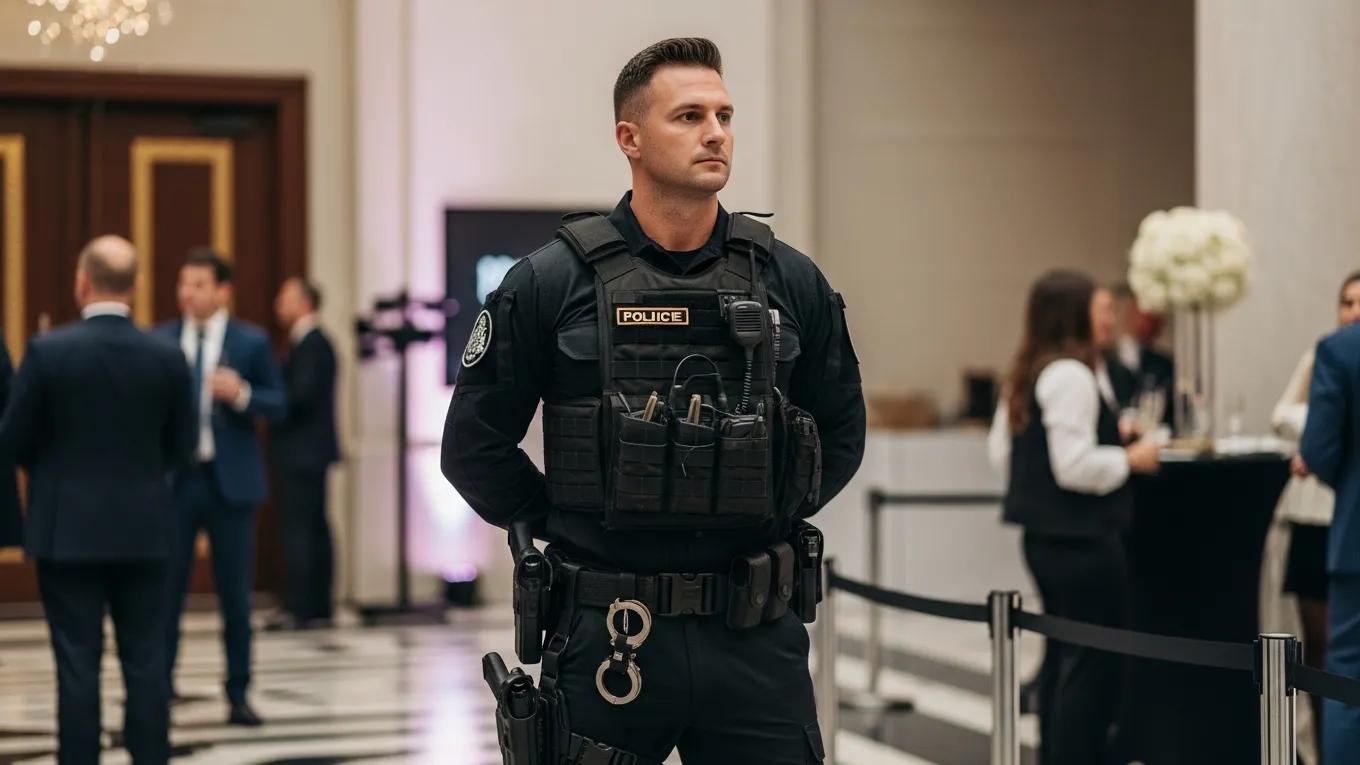
Armed security guards enhance executive protection by providing a visible deterrent to potential threats and ensuring rapid response capabilities in emergencies. Their training equips them to handle various situations, from conflict resolution to emergency evacuations, thereby increasing the overall safety of clients.
Unarmed Executive Protection
Unarmed executive protection focuses on risk assessment and strategic planning to ensure client safety without the use of firearms. This approach is often more suitable for environments where the risk of violence is low. The advantages of unarmed protection include a lower profile, which can be beneficial in maintaining a client’s privacy and reducing the likelihood of confrontation. However, the effectiveness of unarmed protection relies heavily on the skills and training of the security personnel involved.
UPM Security also offers unarmed executive protection services, providing clients with tailored solutions that prioritize safety while maintaining discretion. Their trained professionals are adept at assessing risks and implementing strategies to mitigate potential threats.
In What Situations Is Unarmed Security Sufficient?

Unarmed security is often sufficient in environments where the risk of violence is minimal, such as corporate events, public appearances, or private gatherings. In these scenarios, the focus is on maintaining a secure environment through vigilance and proactive measures rather than armed intervention.
How Does Risk Assessment Influence the Choice of Executive Protection Services?
Risk assessment plays a crucial role in determining the appropriate level of executive protection. By evaluating potential threats, environmental factors, and client profiles, security professionals can recommend the most suitable protection strategy, whether armed or unarmed. This assessment ensures that clients receive the necessary level of security tailored to their specific needs.
Situational Considerations
When deciding between armed and unarmed executive protection, several situational factors must be considered. The type of environment, nature of potential threats, and client preferences all play a significant role in shaping the decision. For instance, high-profile events or locations with a history of violence may necessitate armed protection, while corporate settings may be adequately secured with unarmed personnel.
Factors Influencing the Choice
Several key factors influence the choice between armed and unarmed executive protection. Budget constraints, legal requirements, and operational needs are critical considerations that clients must address. Understanding these factors can help clients make informed decisions that align with their security objectives.
What Client Risk Profiles Require Armed Personal Security Details?
Clients with high-risk profiles, such as public figures, executives in volatile industries, or individuals facing specific threats, typically require armed personal security details. These profiles necessitate a proactive approach to security, ensuring that potential threats are addressed before they escalate.
How Do Industry and Location Affect Protection Strategy?
The industry and location of a client significantly impact the protection strategy employed. For example, clients in high-risk sectors, such as finance or entertainment, may require armed protection due to the nature of their work. Similarly, geographical areas with higher crime rates may necessitate a more robust security presence.
What Are the Cost Considerations for Armed vs Unarmed Executive Protection?
Cost considerations are essential when evaluating armed versus unarmed executive protection services. Armed protection typically incurs higher costs due to the need for specialized training, licensing, and insurance. In contrast, unarmed protection may offer a more budget-friendly option while still providing effective security measures.
How Does Personal Security Detail Cost Vary Between Armed and Unarmed Services?
The cost of personal security details varies significantly between armed and unarmed services. Armed protection services often require higher fees due to the additional training and legal requirements for personnel. Clients should weigh these costs against their specific security needs to determine the most appropriate option.
What Budgeting Factors Should Clients Consider for Executive Bodyguard Services?
When budgeting for executive bodyguard services, clients should consider factors such as the level of risk, duration of service, and specific requirements for armed or unarmed protection. Additionally, clients should account for potential additional costs, such as travel expenses and equipment needs.
What Legal and Licensing Requirements Govern Armed and Unarmed Executive Protection in Florida?
In Florida, legal and licensing requirements for armed and unarmed executive protection vary significantly. Armed security personnel must possess the appropriate licenses and undergo extensive training to carry firearms legally. Unarmed security personnel, while still requiring training, face fewer regulatory hurdles. Understanding these requirements is crucial for clients seeking to ensure compliance with state laws.
Which Certifications and Training Are Mandatory for Armed Security Agents?
Armed security agents must complete specific training programs and obtain certifications to carry firearms legally. This training typically includes firearms safety, conflict resolution, and emergency response protocols. Ensuring that security personnel are adequately trained is essential for maintaining a safe environment for clients.
How Do Regulations Impact Service Customization and Client Safety?
Regulations governing armed and unarmed executive protection can significantly impact service customization and client safety. Compliance with legal requirements ensures that security personnel are equipped to handle various situations effectively, ultimately enhancing the overall safety of clients.