Community Hemorrhage Control: Training and Kits
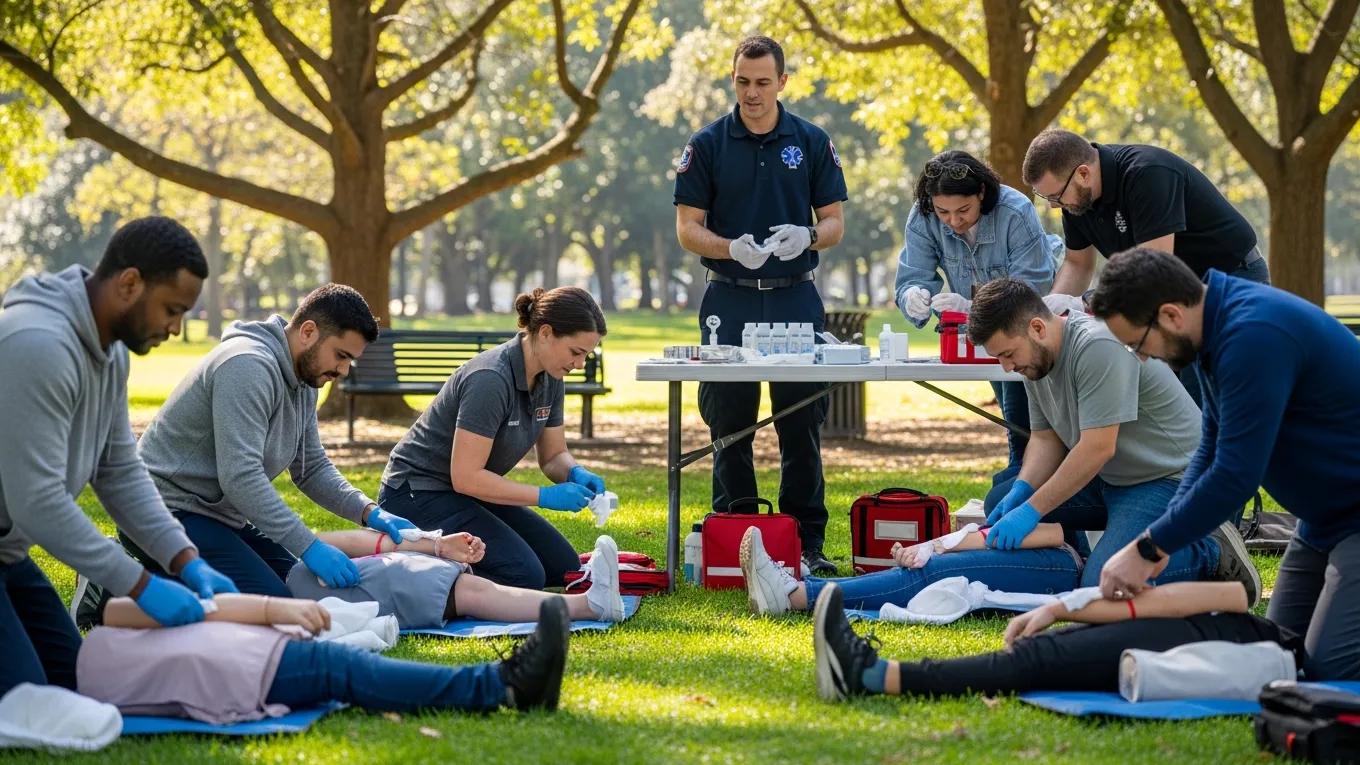
Community Hemorrhage Control: Comprehensive Training and Kits for Effective Emergency Bleeding Response
Community hemorrhage control is a critical aspect of emergency response that focuses on training individuals and providing essential kits to manage severe bleeding effectively. This article delves into the importance of hemorrhage control, the components of effective training programs, and the necessary supplies for first aid kits. Many communities face challenges in responding to traumatic injuries, which can lead to preventable deaths. By implementing comprehensive training and equipping responders with the right tools, communities can significantly improve survival rates during emergencies. We will explore essential components of training, best practices, and strategies for effective implementation, as well as the role of organizations like UPM Security in enhancing community preparedness.
Essential Components
Effective community hemorrhage control training encompasses several key components that ensure participants are well-prepared to respond to emergencies. These components include:
- Medical Training Requirements: Participants must receive thorough training in basic first aid and advanced hemorrhage control techniques.
- De-escalation Techniques: Training should include strategies for managing panic and ensuring a calm environment during emergencies.
- Crowd Management Expertise: Understanding how to manage bystanders and maintain safety is crucial in chaotic situations.
These components form the foundation of a robust hemorrhage control program, enabling individuals to act decisively and effectively in emergencies.
Best Practices
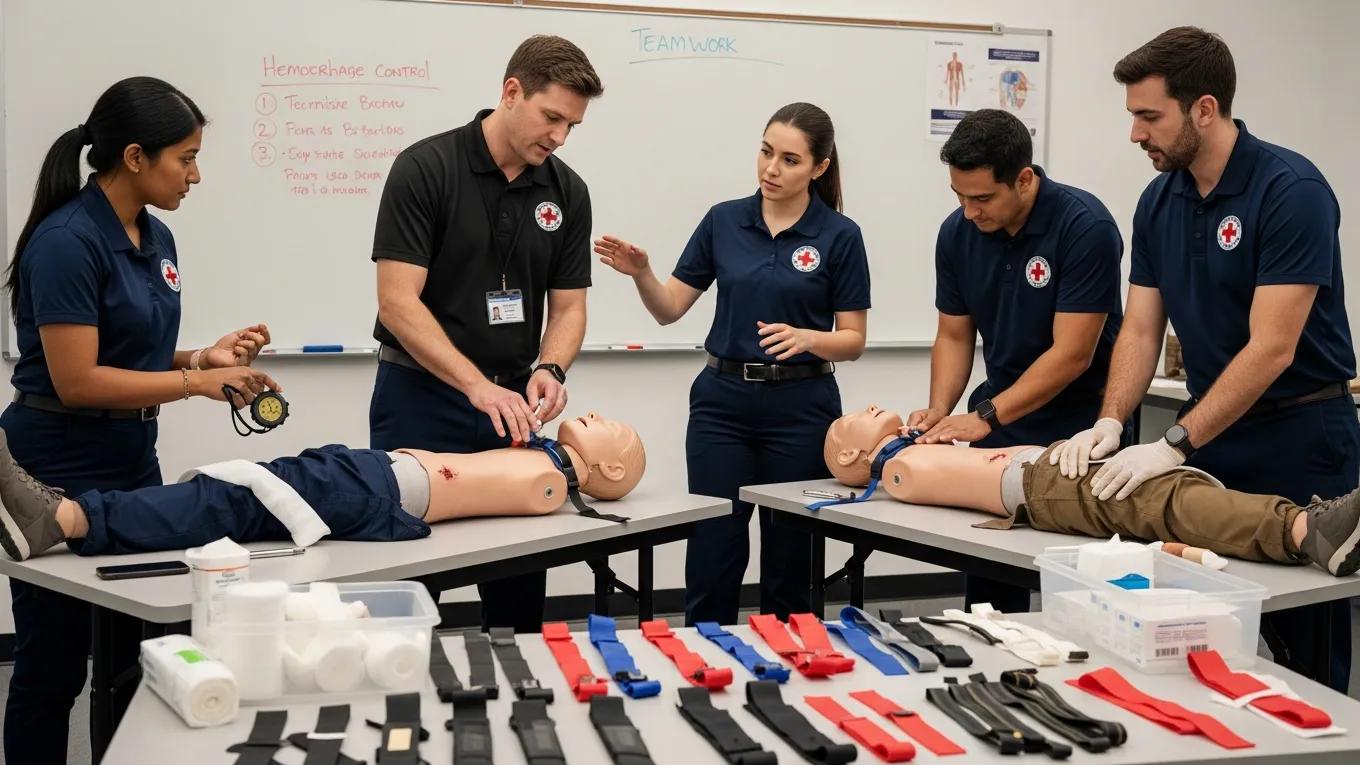
Implementing hemorrhage control training requires adherence to best practices that enhance the effectiveness of the program. Key practices include:
- Proactive Threat Assessment: Regularly evaluate potential risks within the community to tailor training accordingly.
- Regular Training and Drills: Conduct frequent training sessions and simulations to keep skills sharp and ensure readiness.
- Documentation and Reporting: Maintain accurate records of training sessions and incidents to improve future responses.
By following these best practices, communities can foster a culture of preparedness and responsiveness.
Implementation Strategies
To successfully implement hemorrhage control training, organizations should consider the following strategies:
- Select Qualified Personnel: Ensure that trainers are experienced and knowledgeable in hemorrhage control techniques.
- Invest in Training Programs: Allocate resources for comprehensive training that covers all necessary aspects of hemorrhage control.
- Engage Stakeholders: Collaborate with local organizations, businesses, and emergency services to create a unified response strategy.
These strategies will help establish a sustainable training program that effectively prepares community members for emergencies.
What is Community Hemorrhage Control and Why is it Critical?
Community hemorrhage control refers to the organized efforts to manage severe bleeding in emergency situations, particularly in public settings. This approach is critical because rapid response to bleeding can significantly impact survival rates. Immediate action can prevent shock and death, making it essential for community members to be trained in effective hemorrhage control techniques. The ability to respond quickly and efficiently can mean the difference between life and death in traumatic situations.
Defining Hemorrhage Control and Its Role in Trauma Response
Hemorrhage control involves various techniques aimed at stopping severe bleeding, which is a leading cause of preventable death in trauma cases. Techniques such as applying direct pressure, using tourniquets, and packing wounds are vital components of effective trauma response. Understanding these techniques and their significance in emergency situations is crucial for anyone involved in community safety and emergency response.
How Rapid Bleeding Control Saves Lives in Community Settings
The importance of rapid bleeding control cannot be overstated, as immediate action can drastically improve outcomes for individuals experiencing traumatic injuries. Trained personnel can quickly assess the situation and apply appropriate techniques to control bleeding, which is essential in community settings where professional medical help may take time to arrive. The role of trained responders is pivotal in ensuring that victims receive timely care, ultimately saving lives.
Research consistently underscores the life-saving potential of immediate hemorrhage control training for the general public.
Stop The Bleed Training for Laypersons: Preventing Trauma Deaths
In many regions of the world, most trauma deaths occur within 1–2 h of injury due to uncontrolled bleeding. For this reason, training lay first-person responders in trauma care, focusing on hemorrhage control, has been recommended. We hypothesized that STOP THE BLEED (STB) training courses that teach laypersons how to stop traumatic compressible bleeding immediately are needed to potentially prevent deaths due to hemorrhage.
Can “Stop The Bleed” training courses for laypersons improve hemorrhage control knowledge, skills, and attitudes?
A systematic review, R Consunji, 2024
What Does Bleeding Control Training Include and Who Should Participate?
Bleeding control training typically includes a comprehensive curriculum covering various aspects of hemorrhage management. Participants learn about the anatomy of bleeding, techniques for controlling hemorrhage, and the use of specific tools such as tourniquets and gauze. This training is essential for a wide range of individuals, including:
- Healthcare Professionals: Nurses and paramedics who may encounter severe bleeding in their roles.
- Event Organizers: Individuals responsible for large gatherings where injuries may occur.
- Community Responders: Volunteers and citizens who want to be prepared for emergencies.
UPM Security specializes in providing comprehensive security services and protective solutions, with a dedicated focus on community hemorrhage control through training and kits. Engaging with UPM Security can enhance your community’s preparedness and response capabilities.
Key Components of Stop the Bleed Certification Programs
Stop the Bleed certification programs are designed to equip individuals with the skills necessary to respond to bleeding emergencies. Key components of these programs include:
- Training Elements: Participants learn about the types of bleeding and appropriate control methods.
- Certification Requirements: Successful completion of training leads to certification, validating the participant’s skills.
- Participant Eligibility: Programs are open to anyone interested in learning how to manage bleeding emergencies.
These certification programs play a vital role in increasing community resilience and preparedness.
The success of such programs is built upon models that have effectively trained non-medical individuals in critical trauma interventions.
First Care Provider Model: Public Hemorrhage Control Training
Since 2013, the First Care Provider (FCP) model has successfully educated the non-medical population on how to recognize life-threatening injuries and perform interventions recommended by the Committee for Tactical Emergency Casualty Care (C-TECC) and the Hartford Consensus in the disaster setting. Recent programs, such as the federal “Stop The Bleed” campaign, have placed the emphasis of public training on hemorrhage control.
How to stop the bleed: first care provider model for developing public trauma response beyond basic hemorrhage control, 2020
Target Audiences: Businesses, Event Organizers, and Community Responders
The target audiences for hemorrhage control training include various stakeholders who play a role in community safety. Businesses, event organizers, and community responders all have unique responsibilities in ensuring safety during emergencies. By understanding their roles and participating in training, these groups can contribute to a more prepared community.
What Are the Essential Components of First Aid Hemorrhage Kits?
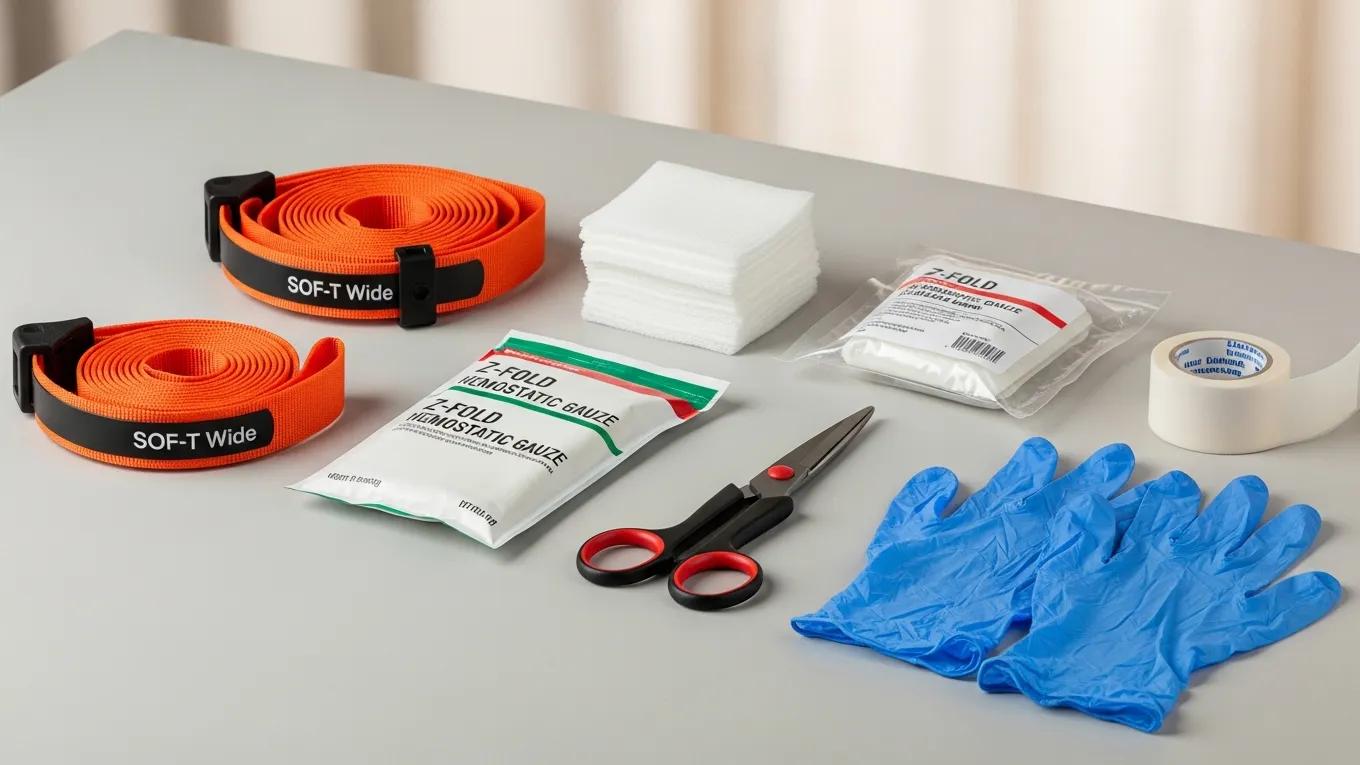
First aid hemorrhage kits are crucial for effective emergency response. Essential components of these kits include:
- Tourniquets: Used to control severe bleeding from limbs.
- Gauze: Essential for packing wounds and applying pressure.
- Wound Packing Materials: Additional supplies to manage bleeding effectively.
Having these components readily available can make a significant difference in emergency situations.
Customizing Hemorrhage Control Kits for Different Environments
Customizing hemorrhage control kits is essential to meet the specific needs of various environments. Considerations for customization include:
- Event Type: Different events may present unique risks that require tailored kits.
- Location Factors: Urban versus rural settings may influence the types of supplies needed.
- Population Demographics: Understanding the community’s specific needs can guide kit customization.
By tailoring kits to specific environments, communities can enhance their preparedness for emergencies.
Strategic placement of these customized kits in public areas is a crucial consideration for maximizing their life-saving potential.
Public Bleeding Control Kits: Placement Strategies
Bleeding control measures performed by members of the public can prevent trauma deaths. Equipping public spaces with bleeding control kits facilitates these actions. We modeled a mass casualty incident to investigate the effects of public bleeding control kit location strategies.
Recommendations for Placement of Bleeding Control Kits in Public Spaces—
A Simulation Study, K Steins, 2023
How Does Integrating Security Services Enhance Emergency Bleeding Control?
Integrating security services with emergency bleeding control can significantly improve response effectiveness. Trained security personnel can provide immediate assistance while waiting for medical professionals to arrive. Their presence can also help manage crowds and ensure a safe environment for responders to operate. This coordination between security and medical preparedness is essential for effective community trauma response.
Combining Protective Security with Medical Preparedness Strategies
The integration of protective security measures with medical preparedness strategies creates a comprehensive approach to community safety. This combination ensures that immediate medical response capabilities are in place while also addressing crowd management and safety concerns. By employing de-escalation techniques and ensuring that trained personnel are available, communities can enhance their overall emergency response capabilities.
Consultation and Tailored Solutions for Effective Community Trauma Response
Developing customized solutions for community trauma response involves consultation with experts in the field. Organizations like UPM Security can provide valuable insights into training approaches and the development of tailored hemorrhage control kits. By working together, communities can create effective strategies that address their unique needs and enhance overall preparedness.