Fire Watch and Life Safety Procedures Overview
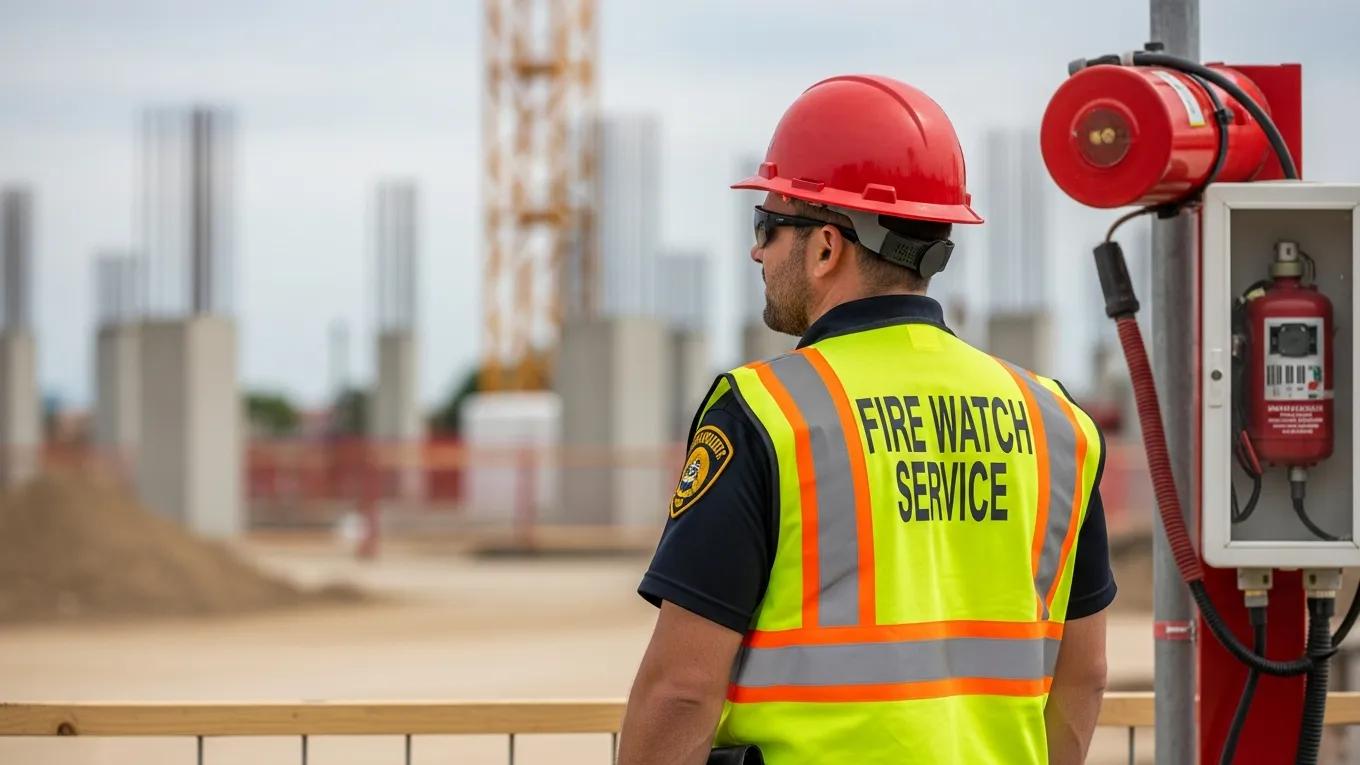
Comprehensive Fire Watch Services and Life Safety Procedures Overview for Effective Risk Mitigation
Fire watch services play a crucial role in ensuring safety and compliance in various environments, particularly where fire hazards are prevalent. These services are designed to monitor and mitigate risks associated with fire incidents, providing peace of mind to businesses and their stakeholders. In this article, we will explore the essential components of fire watch and life safety procedures, including risk mitigation strategies, compliance standards, and best practices for implementation. Understanding these elements is vital for organizations aiming to enhance their safety protocols and ensure regulatory adherence.
The following sections will delve into the specifics of fire watch services, their importance in life safety compliance, and how businesses can benefit from tailored fire watch solutions. We will also discuss the role of fire watch guards, the integration of fire prevention plans, and the guidelines governing life safety compliance. By the end of this article, readers will have a comprehensive understanding of fire watch services and their significance in risk management.
Risk Mitigation Strategies

Effective risk mitigation strategies are essential for preventing fire incidents and ensuring safety in various settings. These strategies encompass a range of proactive measures designed to identify potential fire hazards and implement appropriate responses. Key components of risk mitigation include:
- Proactive Threat Assessment: Regular evaluations of facilities to identify potential fire risks and vulnerabilities.
- Emergency Response Training: Training staff on emergency procedures and evacuation plans to ensure a swift response in case of a fire.
- Technology Integration: Utilizing advanced fire detection and monitoring systems to enhance safety measures.
Implementing these strategies not only reduces the likelihood of fire incidents but also prepares organizations to respond effectively should a fire occur.
Compliance Standards
Compliance with fire safety regulations is critical for organizations to operate legally and safely. Various standards govern fire watch services, ensuring that businesses adhere to necessary protocols. Important compliance aspects include:
- Regulatory Compliance Requirements: Understanding and following local, state, and federal fire safety regulations.
- Documentation and Reporting: Maintaining accurate records of fire watch activities and incidents to demonstrate compliance.
- Insurance Considerations: Ensuring that fire safety measures meet insurance requirements to avoid potential liabilities.
Adhering to these compliance standards helps organizations mitigate risks and maintain a safe working environment.
Best Practices for Implementation
Implementing fire watch services effectively requires adherence to best practices that enhance safety and compliance. These practices include:
- Regular Training and Drills: Conducting frequent training sessions and fire drills to ensure all personnel are familiar with emergency procedures.
- Clear Communication Protocols: Establishing communication channels for reporting hazards and coordinating responses during emergencies.
- Continuous Monitoring and Assessment: Regularly reviewing fire watch procedures and making necessary adjustments based on evolving risks and regulations.
By following these best practices, organizations can significantly improve their fire safety measures and ensure compliance with relevant standards.
What Are Fire Watch Services and Their Role in Life Safety Compliance?
Fire watch services are specialized security measures designed to monitor areas at risk of fire hazards, particularly during construction, maintenance, or when fire protection systems are impaired. These services are essential for ensuring life safety compliance by:
- Responsibilities of Fire Watch Services: Fire watch personnel are tasked with monitoring designated areas, identifying potential fire hazards, and taking immediate action to mitigate risks.
- Regulatory Requirements: Many jurisdictions require fire watch services in specific situations, such as when fire alarms are out of service or during high-risk activities.
- Best Practices: Effective fire watch services involve regular patrols, thorough documentation of activities, and clear communication with emergency services.
Understanding the role of fire watch services is crucial for organizations to maintain compliance and ensure the safety of their personnel and assets.
How Do Fire Watch Guards Monitor and Prevent Fire Hazards?

Fire watch guards play a vital role in monitoring and preventing fire hazards through various techniques. Their responsibilities include:
- Patrolling and Inspection: Regularly inspecting premises for potential fire hazards and ensuring compliance with safety protocols.
- Documentation and Communication: Keeping detailed logs of observations and incidents, which are essential for compliance and safety audits.
- Emergency Protocols: Being prepared to implement emergency procedures, including alerting fire services and evacuating personnel if necessary.
The proactive measures taken by fire watch guards significantly reduce the risk of fire incidents and enhance overall safety.
When Is Temporary Fire Watch Required by Regulatory Standards?
Temporary fire watch services are mandated by regulatory standards in specific situations, including:
- High-Risk Workplaces: Environments where flammable materials are present or where hot work operations are conducted.
- Impaired Fire Protection Systems: Situations where fire alarms or sprinkler systems are out of service, necessitating increased monitoring.
- Construction and Renovation Projects: During construction activities that may pose fire risks, temporary fire watch services are often required to ensure safety.
To ensure compliance in such high-risk scenarios, specific training for fire watch personnel is mandated by regulatory bodies like OSHA.
OSHA Compliance & Training for Fire Watch Personnel
This course, Fire Extinguisher Training for Fire Watch and Designated Workers (#9893), provides awareness-level and hands-on training for fire watch personnel and designated workers. Fire watch personnel and designated workers are appointed by line management and must receive both awareness-level training and hands-on training in the use of portable fire extinguishers to extinguish an incipient-stage fire. This training meets the requirements of the Occupational Safety and Health Administration (OSHA) Code of Federal Regulations (CFR) 29 CFR 1910.157, Portable Fire Extinguishers, and Procedure (P) 101-26, Welding, Cutting, and Other Spark-/Flame-Producing Operations.
Fire Extinguisher Designated Worker and Fire Watch: Self-Study Course 15672, 2016
Understanding when temporary fire watch is necessary helps organizations comply with regulations and protect their assets.
How Do Fire Prevention Plans Integrate with Fire Watch and Life Safety Procedures?
Fire prevention plans are essential components of an organization’s overall safety strategy. These plans integrate with fire watch services and life safety procedures by:
- Key Components of Integration: Ensuring that fire watch services are aligned with fire prevention strategies to create a comprehensive safety framework.
- Implementation Strategies: Developing clear protocols for how fire watch personnel will execute fire prevention measures during their duties.
- Compliance Requirements: Meeting regulatory standards that require the integration of fire prevention and fire watch services.
This integration enhances the effectiveness of fire safety measures and ensures a coordinated response to potential fire hazards.
What Are the Key Components of Effective Fire Prevention Strategies?
Effective fire prevention strategies encompass several key components that work together to minimize fire risks. These components include:
- Proactive Threat Assessment: Regular evaluations to identify and address potential fire hazards.
- Emergency Fire Watch Procedures: Establishing protocols for monitoring high-risk areas and responding to incidents.
- Life Safety Training: Providing training for employees on fire safety practices and emergency response.
By focusing on these components, organizations can create a robust fire prevention strategy that significantly reduces the risk of fire incidents.
How Does Fire Safety Monitoring Enhance Emergency Preparedness?
Fire safety monitoring is a critical aspect of emergency preparedness, as it ensures that organizations are ready to respond effectively to fire incidents. Key benefits of fire safety monitoring include:
- Emergency Fire Watch Guards: Trained personnel who are dedicated to monitoring fire risks and ensuring compliance with safety protocols.
- Training and Protocols: Regular training sessions that prepare staff for emergency situations and enhance their ability to respond effectively.
- Documentation and Communication: Maintaining accurate records of fire watch activities and incidents, which are essential for compliance and safety audits.
These elements contribute to a well-prepared organization capable of managing fire emergencies effectively.
Which Life Safety Compliance Guidelines Govern Fire Watch Services?
Life safety compliance guidelines are essential for ensuring that fire watch services meet regulatory requirements. Key guidelines include:
- Regulatory Compliance: Adhering to local, state, and federal regulations governing fire safety and watch services.
- Documentation Requirements: Maintaining accurate records of fire watch activities and incidents to demonstrate compliance.
- Insurance Considerations: Ensuring that fire safety measures meet insurance requirements to avoid potential liabilities.
Understanding these guidelines is crucial for organizations to maintain compliance and ensure the safety of their personnel and assets.
What Are the National Fire Protection Association Standards for Fire Watch?
The National Fire Protection Association (NFPA) establishes standards that govern fire watch services, ensuring that organizations adhere to best practices. Key NFPA standards include:
- Overview of NFPA Standards: Guidelines that outline the responsibilities and training requirements for fire watch personnel.
- Importance of Compliance: Ensuring that organizations meet NFPA standards is critical for maintaining safety and compliance.
Adhering to NFPA standards helps organizations mitigate fire risks and enhance overall safety.
How Do Certified Fire Watch Personnel Ensure Regulatory Adherence?
Certified fire watch personnel play a vital role in ensuring regulatory adherence through their training and expertise. Their responsibilities include:
- Patrolling and Documentation: Regularly inspecting premises for potential fire hazards and maintaining detailed logs of observations and incidents.
- Emergency Response: Being prepared to implement emergency procedures, including alerting fire services and evacuating personnel if necessary.
- Safety Procedures: Following established safety protocols to ensure compliance with regulatory standards.
The expertise of certified fire watch personnel significantly enhances an organization’s ability to meet regulatory requirements.
How Can Businesses Benefit from Customized Fire Watch and Life Safety Consultations?
Customized fire watch and life safety consultations offer several benefits for businesses, including:
- Enhanced Emergency Response: Tailored solutions that address specific fire risks and improve overall safety.
- Regulatory Compliance: Ensuring that fire safety measures meet local, state, and federal regulations.
- Insurance Premium Reductions: Implementing effective fire safety measures can lead to lower insurance premiums.
By investing in customized consultations, businesses can enhance their fire safety measures and ensure compliance with relevant standards.
What Are the Advantages of Tailored Fire Watch Service Plans?
Tailored fire watch service plans provide several advantages for organizations, including:
- Tailored Risk Assessment: Customized plans that address specific fire risks and vulnerabilities within an organization.
- Compliance with Regulatory Requirements: Ensuring that fire safety measures meet local, state, and federal regulations.
- Enhanced Emergency Response Coordination: Improved communication and coordination during emergencies, leading to more effective responses.
These advantages highlight the importance of customized fire watch service plans in enhancing safety and compliance.
How Do Consultation Services Support Risk Mitigation and Investment Value?
Consultation services play a crucial role in supporting risk mitigation and enhancing investment value through:
- Risk Assessment: Identifying potential fire hazards and vulnerabilities within an organization.
- Emergency Response Coordination: Developing clear protocols for responding to fire incidents and ensuring effective communication.
- Insurance Premium Reductions: Implementing effective fire safety measures can lead to lower insurance premiums.
By leveraging consultation services, organizations can enhance their fire safety measures and ensure compliance with relevant standards.