Armed vs. Unarmed Security Guards: Which Is Right for Your Business?
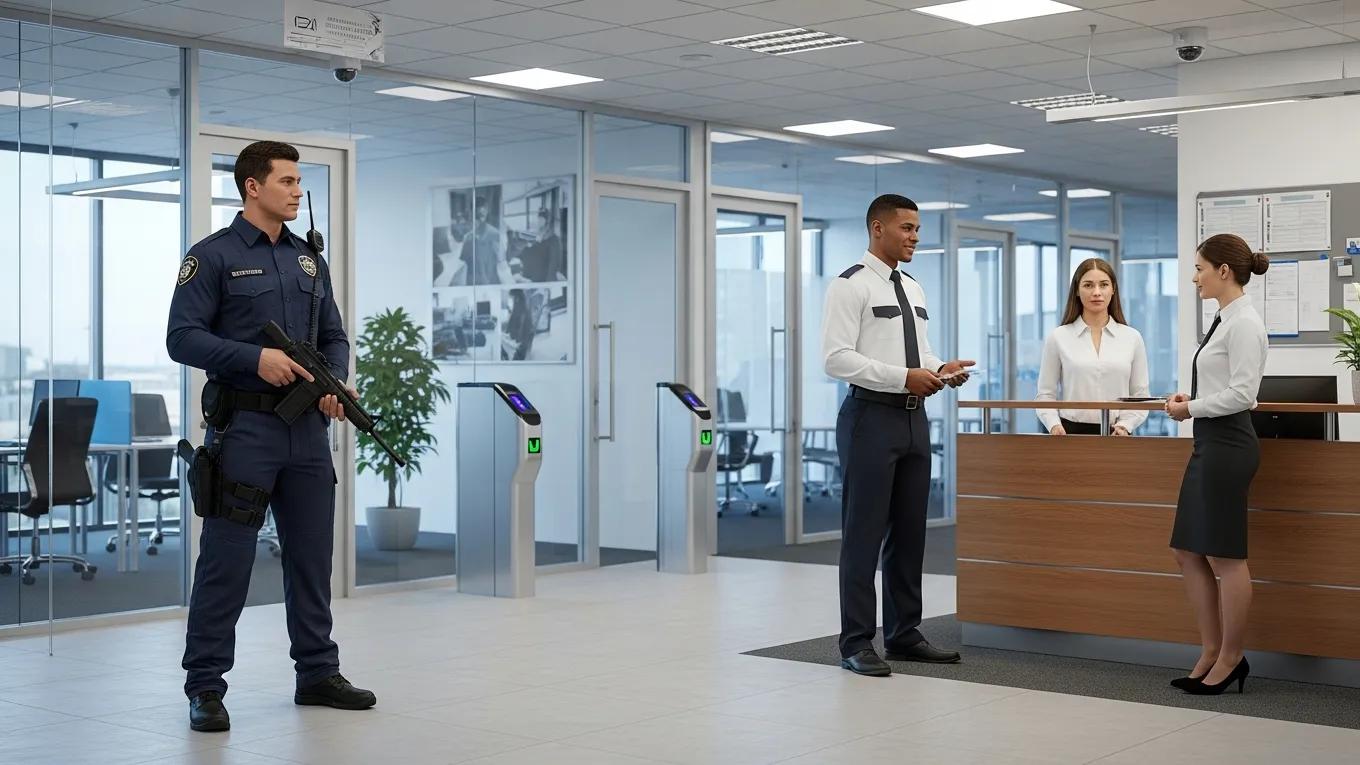
Armed vs. Unarmed Security Guards: Expert Guidance to Choose the Right Business Security Solution
Choosing the right security solution for your business is crucial in today’s environment, where safety concerns are paramount. This article delves into the differences between armed and unarmed security guards, helping you make an informed decision based on your specific needs. Understanding the nuances of each type of security personnel can significantly impact your business’s safety and operational efficiency. We will explore key differences, training requirements, roles, benefits, limitations, and cost considerations associated with armed and unarmed security services. By the end of this guide, you will have a clearer perspective on which security option aligns best with your business objectives.
What Are the Key Differences Between Armed and Unarmed Security Guards?
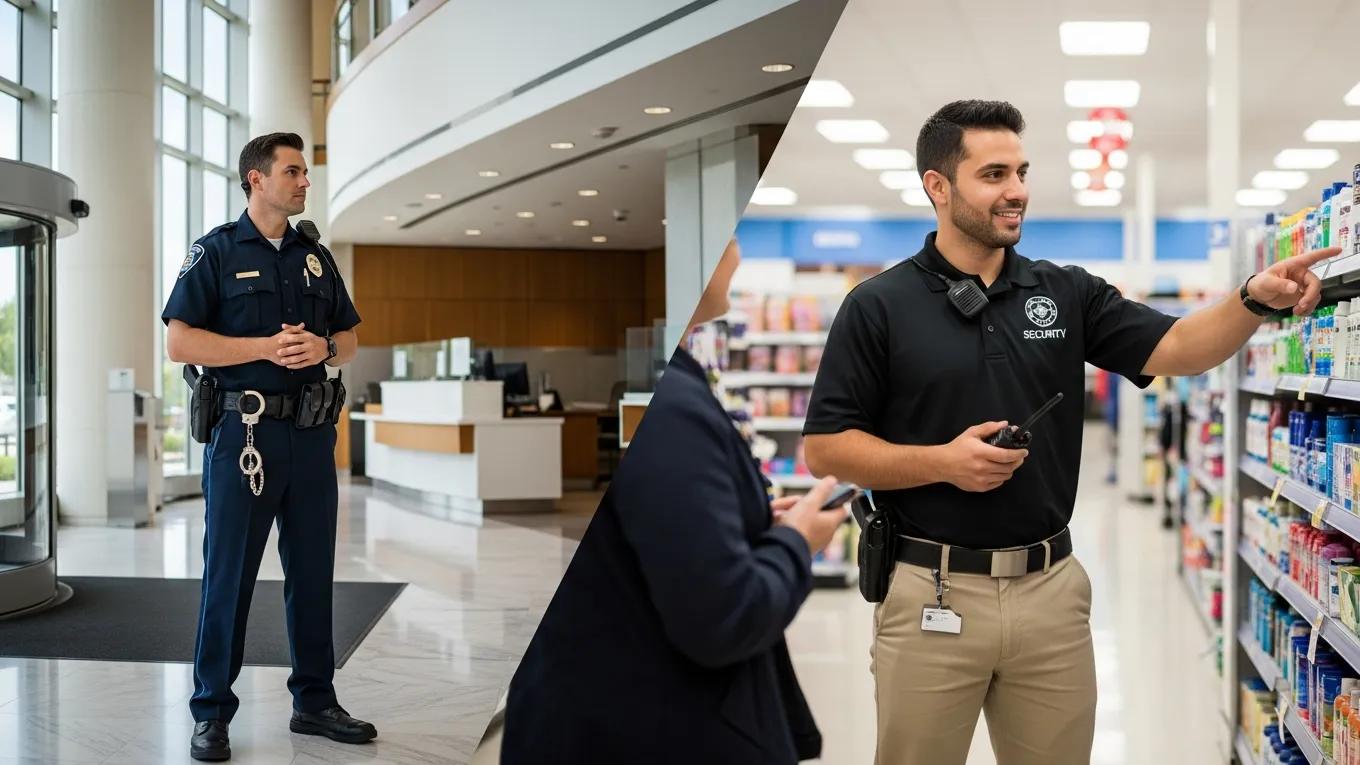
Armed and unarmed security guards serve distinct roles in protecting businesses and individuals. Armed security guards are equipped with firearms and are trained to handle potentially dangerous situations, providing a visible deterrent against crime. In contrast, unarmed guards focus on monitoring and managing security without the use of weapons, often employing conflict de-escalation techniques. The choice between the two depends on various factors, including the nature of the business, the level of threat, and budget considerations.
How Do Training and Licensing Requirements Vary for Armed and Unarmed Guards?
Training and licensing requirements differ significantly between armed and unarmed security guards. Armed guards must undergo extensive training that includes firearms handling, legal regulations regarding the use of force, and crisis management. They are often required to obtain specific licenses that vary by state, ensuring they meet the legal standards for carrying weapons. Unarmed guards, while still needing training in security protocols and emergency response, typically face less stringent licensing requirements. This difference in training impacts the overall cost and hiring process for businesses.
What Are the Typical Roles and Responsibilities of Each Security Guard Type?
The roles and responsibilities of armed and unarmed security guards vary based on their training and the environments in which they operate. Armed guards are often deployed in high-risk areas, such as banks or jewelry stores, where the potential for violent crime is higher. Their responsibilities include monitoring for suspicious activity, responding to threats, and ensuring the safety of personnel and assets. Unarmed guards, on the other hand, are commonly found in corporate offices, retail environments, and events, focusing on surveillance, access control, and customer service. Their effectiveness lies in their ability to manage situations through communication and presence rather than force.
What Are the Benefits and Limitations of Armed Security Guard Services?
Armed security guard services offer several benefits, including:
- Visible Deterrence: The presence of armed guards can deter criminal activity, making potential offenders think twice before attempting a crime.
- Rapid Response Capabilities: Armed guards are trained to respond quickly to threats, potentially preventing harm to individuals and property.
- Enhanced Protection: In high-risk environments, armed guards provide an additional layer of security that can be crucial for asset protection.
However, there are limitations to consider:
- Higher Costs: Armed security services typically come with higher costs due to extensive training and licensing requirements.
- Potential for Escalation: The presence of firearms can escalate situations, leading to unintended consequences if not managed properly.
- Legal and Regulatory Compliance: Businesses must navigate complex legal requirements when employing armed guards, which can vary significantly by location.
For businesses considering armed security, UPM Security specializes in providing professional armed security guard services tailored to meet diverse client needs, ensuring compliance with regulatory standards.
How Do Armed Guards Enhance Risk Mitigation for High-Threat Business Environments?
Armed guards play a critical role in risk mitigation for businesses operating in high-threat environments. Their training equips them to assess situations quickly and respond effectively, which is essential in preventing incidents before they escalate. The deterrent effect of armed guards can significantly reduce the likelihood of criminal activity, as potential offenders are aware of the risks involved. Additionally, armed guards are trained in crisis management, allowing them to handle emergencies with a level of authority and control that unarmed guards may not possess.
What Are the Legal and Regulatory Considerations for Employing Armed Guards?
Employing armed guards involves navigating a complex landscape of legal and regulatory considerations. Businesses must ensure that their security personnel are properly licensed and trained according to state and federal laws. This includes understanding the legal implications of using force and the responsibilities that come with carrying a firearm. Additionally, businesses may need to secure specific insurance coverage to protect against liabilities associated with armed security services. Compliance with these regulations is crucial to avoid legal repercussions and ensure the safety of both employees and clients.
What Are the Advantages and Constraints of Unarmed Security Guard Benefits?
Unarmed security guards offer several advantages, including:
- Cost-Effectiveness: Unarmed guards generally require less training and lower insurance costs, making them a more budget-friendly option for many businesses.
- De-escalation Skills: Trained in conflict resolution, unarmed guards can effectively manage situations without the use of force, promoting a safer environment.
- Versatility: Unarmed guards can be deployed in a variety of settings, from corporate offices to public events, providing flexible security solutions.
However, there are constraints to consider:
- Limited Response Capabilities: In high-risk situations, unarmed guards may not be able to respond as effectively as their armed counterparts.
- Perceived Vulnerability: The absence of weapons may lead to a perception of reduced security, potentially affecting client confidence.
- Situational Appropriateness: Unarmed guards may not be suitable for environments with a higher likelihood of violent incidents.
In Which Business Scenarios Are Unarmed Guards Most Effective?
Unarmed guards are particularly effective in scenarios where the risk of violence is low, and the focus is on monitoring and customer service. Common environments include:
- Retail Stores: Unarmed guards can deter shoplifting and provide assistance to customers without creating a threatening atmosphere.
- Corporate Offices: In office settings, unarmed guards can manage access control and ensure a safe working environment for employees.
- Events and Gatherings: For public events, unarmed guards can maintain order and assist attendees, enhancing the overall experience without the intimidation factor of armed personnel.
How Do Unarmed Guards Contribute to Client Safety and Asset Protection?
Unarmed guards contribute to client safety and asset protection through their professional presence and proactive monitoring. Their training in conflict de-escalation techniques allows them to handle potential issues before they escalate into serious incidents. By maintaining a visible presence, unarmed guards can deter criminal activity and provide reassurance to clients and employees alike. Additionally, their focus on customer service enhances the overall experience, making them valuable assets in various business environments.
Further emphasizing the importance of non-lethal methods, research highlights specific training techniques that enhance an unarmed guard’s ability to manage physical confrontations effectively.
Training for Unarmed Confrontations & Physical Control
Despite the emphasis on firearms training in law enforcement agencies, statistical data reveal that police officers are more likely to engage in physical altercations than in shootings. Given this discrepancy, this thesis answers the following question: How can law enforcement policies and practices be improved to effectively control unarmed but actively resisting subjects? Through a comparative analysis of case studies and interviews with experts, this study identifies three key strategies for improvement: Brazilian jiu-jitsu (BJJ) for physical control, visualization for mental preparation, and controlled breathing for physiological stability. Together,these elements form a comprehensive approach for equipping officers with the necessary skills to manage confrontations without relying on lethal force.
Police vs. the Unarmed, 2023
How Do Security Guard Licensing Requirements Impact Your Business Security Choices?
Security guard licensing requirements significantly impact business security choices by dictating the qualifications necessary for hiring personnel. Armed guards must meet stringent licensing standards, which can limit the pool of available candidates. This can lead to increased hiring costs and longer recruitment processes. Conversely, the less rigorous requirements for unarmed guards may allow businesses to fill positions more quickly and cost-effectively. Understanding these licensing implications is essential for businesses to make informed decisions about their security needs.
What Are the State-Specific Licensing Standards for Armed and Unarmed Guards?
Licensing standards for security guards vary by state, with some states imposing stricter regulations on armed guards than others. Businesses must be aware of the specific requirements in their state, including training hours, background checks, and ongoing education. Failure to comply with these standards can result in legal penalties and liability issues. It is crucial for businesses to stay informed about state-specific regulations to ensure they are hiring qualified personnel and maintaining compliance.
How Does Compliance Influence Security Service Customization?
Compliance with legal and regulatory standards significantly influences the customization of security services. Businesses must tailor their security plans to meet the specific requirements of their industry and location. This may involve selecting security personnel with the appropriate training and licenses, as well as implementing policies that align with regulatory expectations. By prioritizing compliance, businesses can enhance their security measures while minimizing legal risks.
What Is the Security Guard Cost Comparison for Armed vs. Unarmed Services?
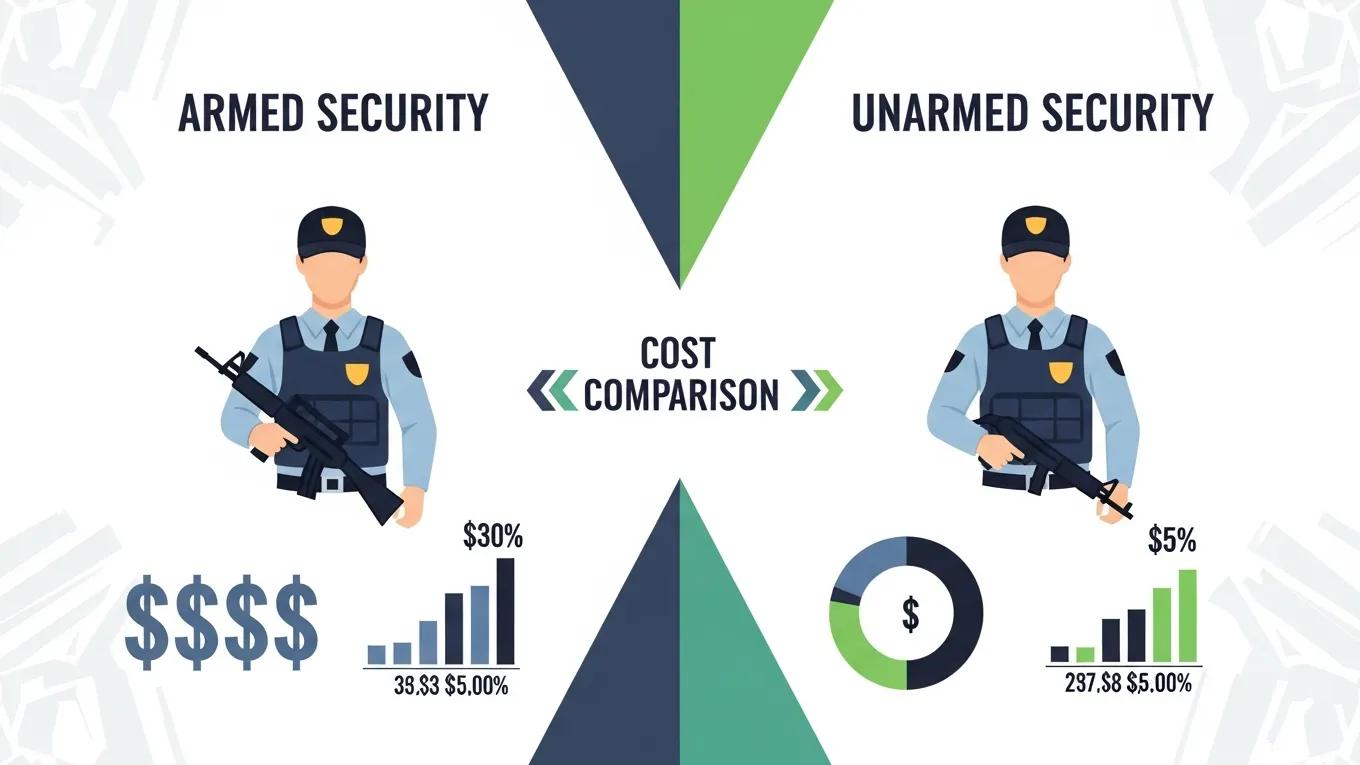
When comparing the costs of armed and unarmed security services, several factors come into play. Armed security typically incurs higher costs due to the extensive training and licensing required. In contrast, unarmed security services are generally more affordable, making them an attractive option for businesses with budget constraints. The following table summarizes the cost comparison:
This comparison highlights the financial implications of choosing between armed and unarmed security services, allowing businesses to make informed decisions based on their budget and security needs.
How Do Training and Equipment Affect Pricing Differences?
Training and equipment play a significant role in the pricing differences between armed and unarmed security services. Armed guards require specialized training in firearms handling and crisis management, which contributes to higher service costs. Additionally, the equipment needed for armed security, such as firearms and safety gear, adds to the overall expense. Unarmed guards, while still requiring training, typically face lower costs due to the absence of weapon-related expenses. Understanding these factors is essential for businesses when budgeting for security services.
What Are the Budgeting Considerations for Different Business Types?
Budgeting for security services involves several considerations, including the type of business, the level of risk, and the desired security outcomes. Businesses in high-risk industries may need to allocate more funds for armed security services, while those in lower-risk environments might find unarmed guards sufficient. Additionally, businesses should consider the potential return on investment (ROI) associated with their security choices, weighing the costs against the benefits of enhanced safety and protection.
How to Choose the Right Security Guard Service for Your Business Type?
Choosing the right security guard service requires careful consideration of various factors, including the nature of your business, the level of threat, and your budget. Key factors to consider include:
- Risk Assessment: Evaluate the specific risks associated with your business environment to determine the appropriate level of security.
- Service Options: Explore the different types of security services available, including armed and unarmed options, to find the best fit for your needs.
- Industry-Specific Needs: Consider the unique requirements of your industry, such as regulatory compliance and customer expectations, when selecting a security service.
By taking these factors into account, businesses can make informed decisions that align with their security objectives.
What Risk Assessment Factors Should Influence Your Security Guard Selection?
When selecting security guards, businesses should consider several risk assessment factors, including:
- Nature of the Business: High-risk industries may require armed guards, while lower-risk environments may be adequately served by unarmed personnel.
- Location: The geographical area and its crime rates can influence the level of security needed.
- Clientele: Understanding the expectations and concerns of clients can help determine the appropriate security measures.
By evaluating these factors, businesses can select security personnel that best meet their specific needs.
How Can Customized Security Plans Optimize Protection and Investment Value?
Customized security plans are essential for optimizing protection and ensuring a strong return on investment. By tailoring security services to the unique needs of a business, organizations can enhance their safety measures while maximizing the value of their security investments. Key components of a customized security plan may include:
- Tailored Threat Assessments: Conducting thorough assessments to identify specific risks and vulnerabilities.
- Flexible Scheduling: Adjusting security personnel schedules to align with peak business hours and events.
- Integration with Existing Systems: Ensuring that security measures complement existing safety protocols and technologies.
By focusing on customization, businesses can create effective security strategies that provide comprehensive protection and peace of mind.