Retail Loss Prevention Strategies for Stores
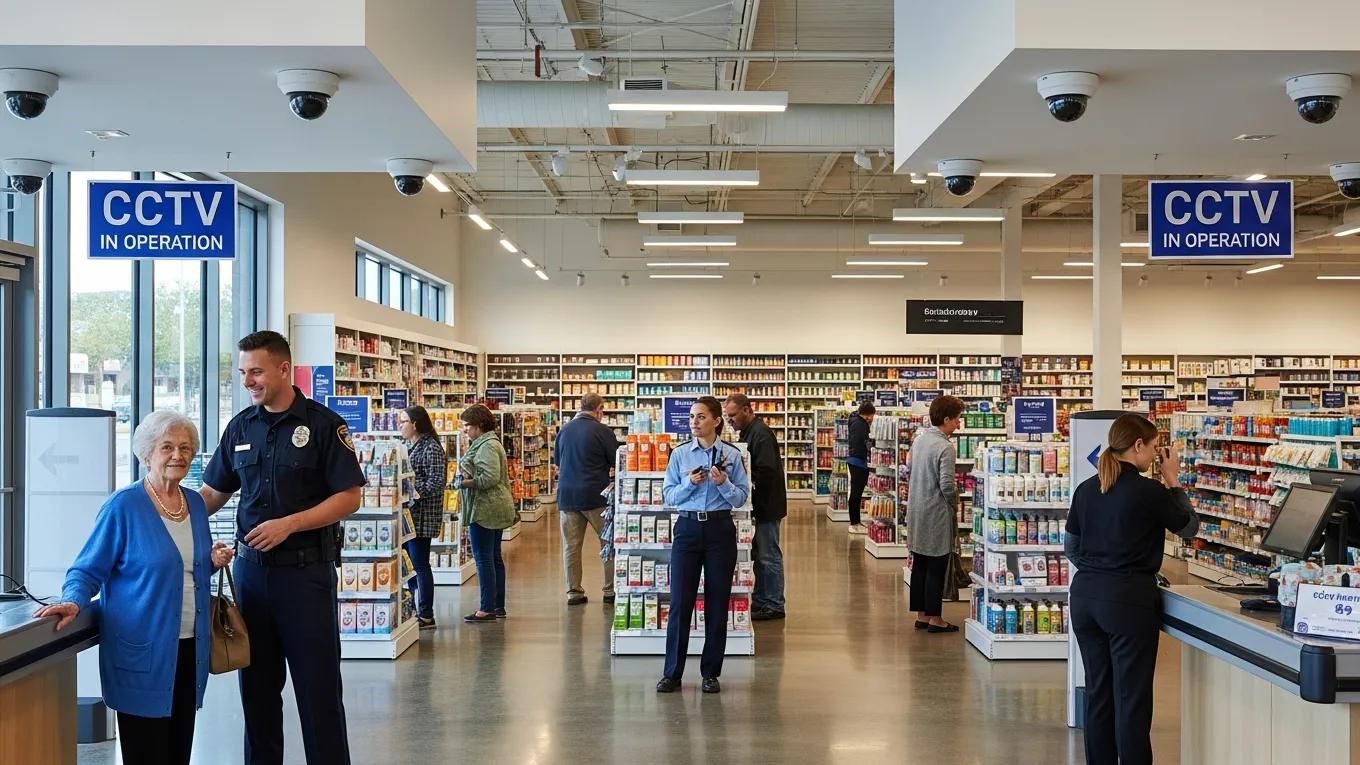
Retail Loss Prevention Strategies for Stores: Effective Shoplifting Deterrent Systems and Inventory Shrinkage Solutions
Retail loss prevention is a critical aspect of maintaining profitability in the retail sector, as it directly addresses the challenges posed by shoplifting and inventory shrinkage. Effective strategies not only protect assets but also enhance customer experience and employee safety. This article delves into various retail loss prevention strategies, including the deployment of security personnel, advanced surveillance systems, and proactive threat assessments. Readers will learn about the mechanisms behind these strategies and their benefits, as well as how to implement them effectively in retail environments. The discussion will cover effective shoplifting deterrent systems, the role of security personnel, and the latest innovations in retail security technology.
Effective shoplifting deterrent systems and solutions for inventory shrinkage in retail settings include:
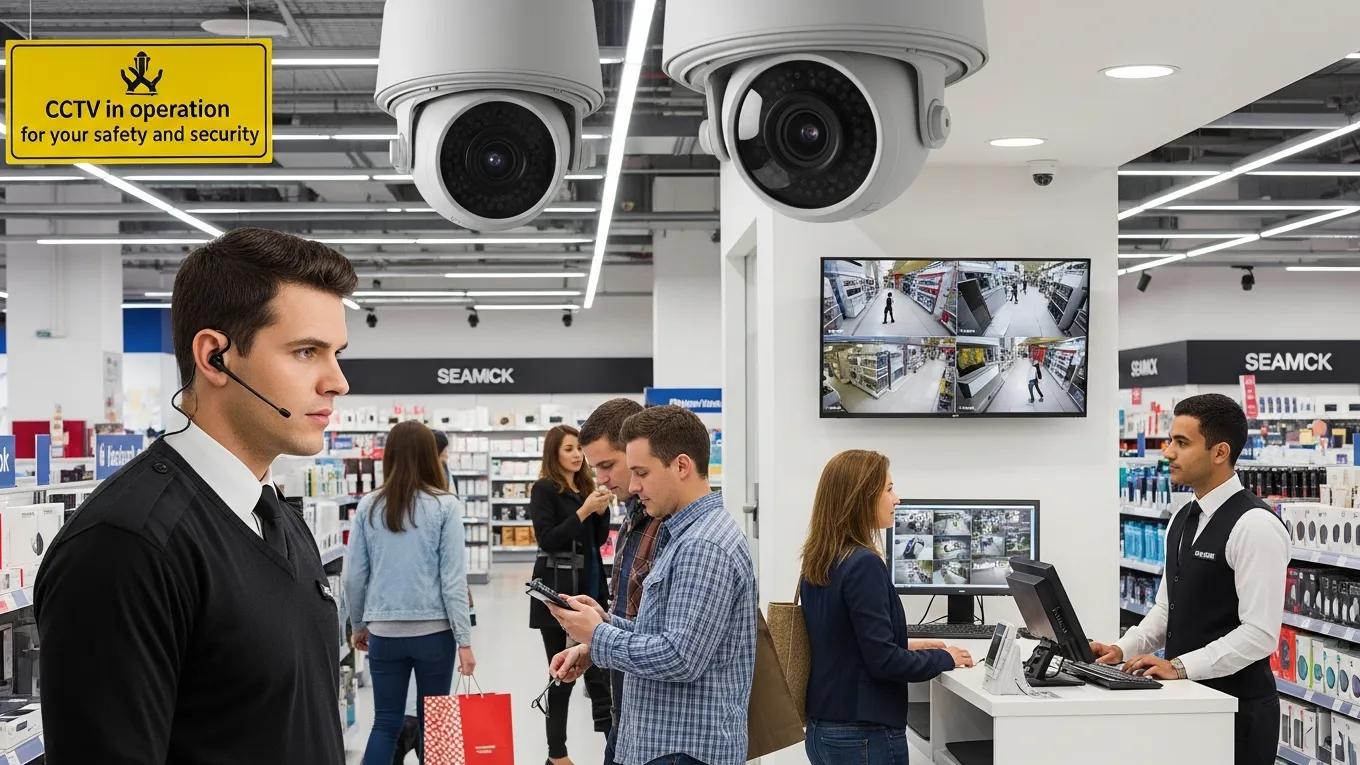
Effective shoplifting deterrent systems are essential for minimizing inventory shrinkage in retail settings. These systems encompass a variety of strategies designed to deter theft and protect assets. Key components include:
- Undercover Security Officers: These personnel blend into the retail environment, monitoring customer behavior and intervening when necessary to prevent theft.
- Video Surveillance Systems: These systems document incidents and provide real-time monitoring, which can prevent escalation and assist in investigations.
- Access Control Measures: Implementing credential verification systems helps restrict unauthorized access to sensitive areas, deterring potential thieves.
- Environmental Design Assessments: Evaluating the physical layout of stores can identify vulnerabilities, leading to improvements such as better lighting and secured windows.
- Staff Training: Training employees to recognize suspicious behavior and respond appropriately empowers them to act as a first line of defense against theft.
- Proactive Threat Assessments: Regular assessments of retail risks help identify unique vulnerabilities and tailor security measures accordingly.
- Emergency Response Protocols: Establishing clear action plans for incidents ensures quick responses to theft, mitigating losses and improving overall security.
Undercover Security Officers
Undercover security officers play a vital role in theft prevention by blending into the retail environment. Their presence is often less noticeable, allowing them to monitor customer behavior effectively. They can intervene discreetly when suspicious activities are observed, which can deter potential thieves from acting. This proactive approach not only helps in preventing theft but also enhances the overall security of the store.
Video Surveillance Systems
Video surveillance systems are crucial for loss prevention in retail settings. These systems provide comprehensive coverage of the store, documenting incidents as they occur. Real-time monitoring allows security personnel to respond quickly to suspicious activities, preventing escalation. Additionally, recorded footage can be invaluable for investigations, helping to identify and apprehend offenders.
Access Control Measures
Access control measures are essential for restricting unauthorized access to sensitive areas within a retail environment. By implementing credential verification systems, retailers can monitor who enters restricted areas, deterring potential thieves. This not only protects valuable inventory but also enhances the safety of employees and customers.
Environmental Design Assessments
Environmental design assessments focus on evaluating the physical layout of retail spaces to identify vulnerabilities. Improvements such as enhancing lighting, securing windows, and optimizing store layout can significantly reduce opportunities for theft. A well-designed environment not only deters theft but also creates a more pleasant shopping experience for customers.
Staff Training
Training employees to recognize suspicious behavior is a critical component of retail loss prevention. Proper training protocols empower staff to respond effectively to potential theft situations. By fostering a culture of vigilance and integrity, retailers can enhance their overall security posture and reduce the likelihood of theft.
Proactive Threat Assessments
Regular proactive threat assessments are vital for identifying unique vulnerabilities within a retail environment. By understanding the specific risks associated with their operations, retailers can implement tailored security measures that effectively mitigate the likelihood of theft. This proactive approach ensures that security strategies evolve in response to changing threats.
Emergency Response Protocols
Establishing clear emergency response protocols is essential for effective loss prevention. These protocols outline the steps employees should take in the event of a theft or security incident. Quick responses can mitigate losses and improve overall security, ensuring that employees feel safe and prepared to handle potential threats.
What Are the Most Effective Shoplifting Prevention Techniques for Retail Stores?
Several effective techniques can be employed to prevent shoplifting in retail stores. These techniques include:
- Trained Security Personnel: Having trained security personnel on-site can deter theft through their visible presence and ability to respond quickly to incidents.
- Surveillance Systems: Integrating surveillance systems with security personnel enhances monitoring capabilities and provides real-time alerts for suspicious activities.
- Access Control Systems: Implementing access control systems helps restrict entry to sensitive areas, reducing opportunities for theft.
- Emergency Response Plans: Establishing clear emergency response plans ensures that employees know how to react in the event of a theft.
- De-Escalation Training: Providing de-escalation training for staff helps them manage potential theft situations without confrontation.
- Environmental Design: Utilizing environmental design principles can create a layout that minimizes opportunities for theft.
- Regular Training and Drills: Conducting regular training sessions and drills keeps staff prepared and aware of the latest theft prevention techniques.
- Communication Systems: Implementing effective communication systems among staff enhances coordination during theft incidents.
- Customer Engagement: Engaging with customers can deter potential thieves by increasing the likelihood of being observed.
- Documentation and Reporting: Maintaining thorough documentation and reporting of theft incidents helps identify patterns and improve prevention strategies.
How Do Electronic Article Surveillance Systems Reduce Retail Theft?
Electronic article surveillance (EAS) systems are designed to reduce retail theft by detecting stolen items as they exit the store. These systems typically consist of tags or labels attached to merchandise, which trigger alarms at exit points if not properly deactivated. By integrating EAS systems with security personnel, retailers can enhance their theft prevention efforts. Real-time alerts allow for immediate action, increasing the chances of recovering stolen items and apprehending offenders.
What Role Do Security Personnel Play in Shoplifting Deterrence?
Security personnel play a crucial role in deterring shoplifting through their visible presence and proactive engagement with customers. Their responsibilities can be categorized into two main types:
Uniformed Officers
Uniformed officers serve as a visible deterrent to potential thieves. Their presence can help maintain order and provide crowd control, making it clear that theft will not be tolerated. This visible security measure can significantly reduce the likelihood of theft occurring in the store.
Undercover Officers
Undercover officers are essential for detecting and apprehending thieves. By blending into the environment, they can monitor customer behavior and investigate suspicious activities without drawing attention. Their ability to intervene discreetly can prevent theft before it occurs, enhancing overall store security.
Which Asset Protection Technologies Enhance Store Security Technology?
Several asset protection technologies can enhance store security, including:
- CCTV Systems: Closed-circuit television (CCTV) systems provide comprehensive surveillance coverage, allowing for real-time monitoring and documentation of incidents.
- Electronic Article Surveillance: EAS systems help detect stolen items at exit points, providing an additional layer of security.
- Access Control Systems: These systems restrict entry to sensitive areas, reducing opportunities for theft and enhancing overall security.
How Do Inventory Shrinkage Solutions Integrate with Retail Security Systems?
Inventory shrinkage solutions are designed to work in conjunction with retail security systems to minimize losses. By integrating technology such as RFID tracking and data analytics, retailers can monitor inventory levels in real-time. This integration allows for better data analysis, helping retailers identify patterns of theft and implement targeted prevention strategies.
What Are the Latest Innovations in Retail Security Technology for Loss Prevention?
Recent innovations in retail security technology have significantly enhanced loss prevention efforts. Key advancements include:
- AI in Surveillance: Artificial intelligence (AI) is being used to analyze surveillance footage, identifying suspicious behavior and alerting security personnel in real-time.
- Data Analytics: Advanced data analytics tools help retailers understand theft patterns and optimize their security measures accordingly.
- Mobile Security Solutions: Mobile applications allow security personnel to monitor store activity remotely, providing flexibility and responsiveness in loss prevention efforts.
How Can Employee Theft Prevention Strengthen Retail Loss Prevention?
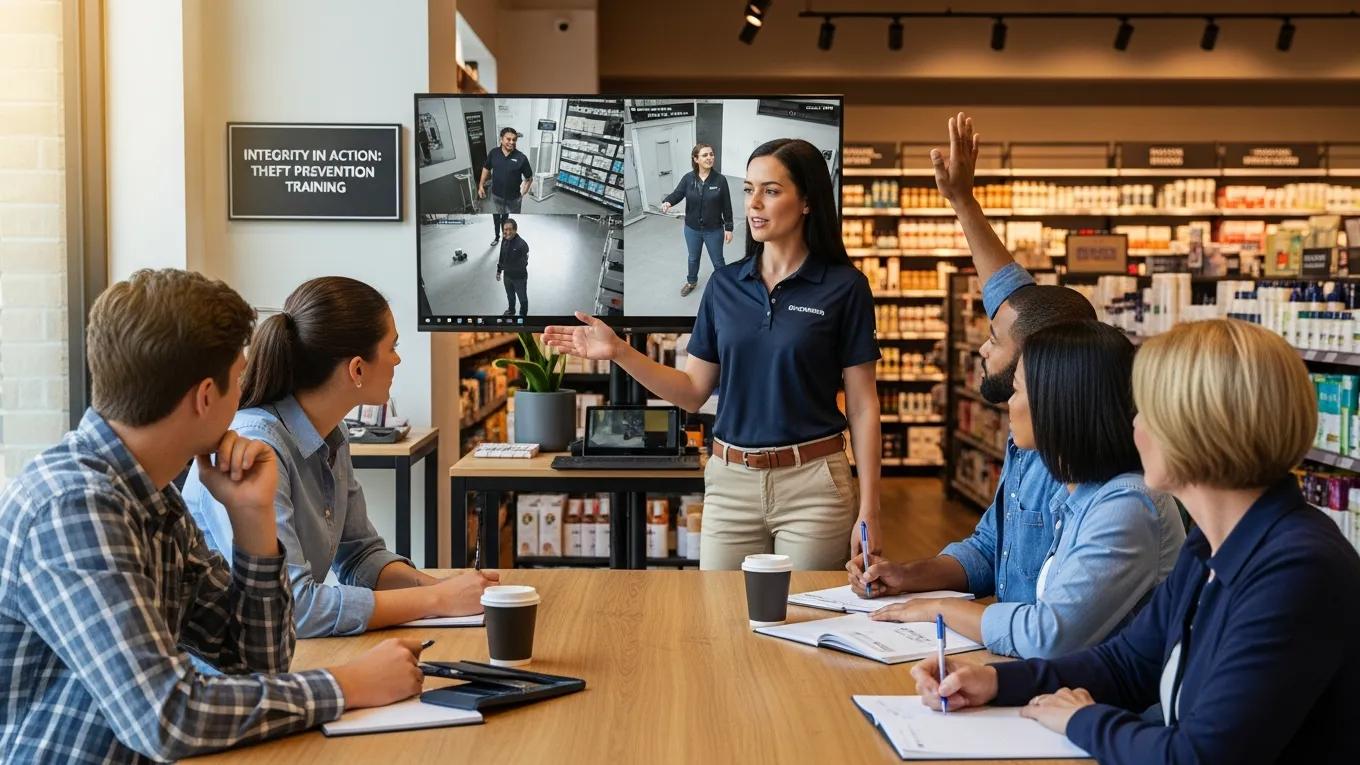
Employee theft prevention is a critical component of a comprehensive loss prevention strategy. By addressing the potential for internal theft, retailers can significantly reduce overall losses. Key strategies include:
What Training and Best Practices Are Recommended for Retail Staff?
Training staff to recognize suspicious behavior and implement proper reporting protocols is essential. Best practices include:
- Recognizing Suspicious Behavior: Employees should be trained to identify signs of potential theft.
- Reporting Protocols: Establishing clear reporting protocols ensures that suspicious activities are communicated effectively.
- Creating a Culture of Integrity: Fostering a culture of integrity among employees can reduce the likelihood of internal theft.
How Does Risk Assessment Inform Customized Security Plans?
Conducting regular risk assessments is vital for informing customized security plans. By identifying vulnerabilities specific to their operations, retailers can implement tailored security measures that effectively mitigate risks. This proactive approach ensures that security strategies evolve in response to changing threats.
Why Choose Professional Retail Security Services for Comprehensive Loss Prevention?
Choosing professional retail security services can provide numerous benefits for comprehensive loss prevention. These services offer expertise in developing effective security strategies tailored to the unique needs of each retail environment. Key advantages include:
What Are the Benefits of Integrated Security Service Packages?
Integrated security service packages offer several advantages, including:
- Expertise and Training: Professional security services bring specialized knowledge and training to enhance store security.
- Visible Deterrence: The presence of trained security personnel serves as a visible deterrent to potential thieves.
- Rapid Response Capabilities: Professional services ensure quick responses to incidents, minimizing losses and enhancing safety.
How Does UPM Security Provide Tailored Consultations and Responsive Support?
UPM Security specializes in comprehensive security services tailored to retail environments. Their approach includes:
- Free Consultation: UPM Security offers free consultations to assess specific security needs.
- Custom Security Plans: They develop customized security plans that address unique vulnerabilities.
- Continuous Training: Ongoing training ensures that security personnel are equipped to handle evolving threats effectively.